
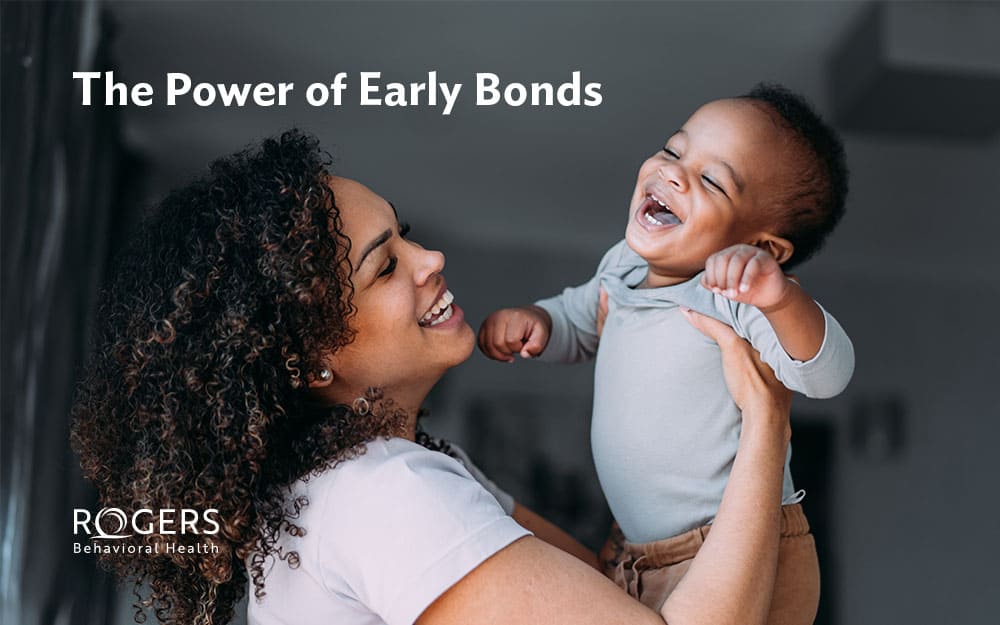
Our earliest relationships leave a lasting impression. These bonds, known as attachment, are the building blocks of our emotional well-being. They shape how we see ourselves, build relationships, and navigate the world throughout our lives.
Rogers Behavioral Health’s Dr. Peggy Scallon, MD, DFAPA, DFAACAP, psychiatrist, explains what healthy attachment looks like and why it plays such an important role in our mental health.
What is attachment?
Attachment is the emotional bond we develop with the people who care for us during infancy and childhood. It lays the foundation for our emotional and social development. When that foundation is shaky, it can be more difficult to develop a healthy sense of self and build strong, trusting relationships. These early experiences become an internal “template” for how we expect relationships to work.
Attachment is not about being a perfect parent, because no one is. It’s about responding in a consistent, reliable, and loving way to a child’s emotional needs.
Attachment isn’t determined by a single experience. It’s formed through thousands of everyday interactions. Think about the first few years of a child’s life: When they’re hungry, are they fed? When they’re upset, are they comforted? Over time, these repeated experiences help children learn that they can trust others, feel safe, and know they’re cared for.
What are the main attachment styles?
Researchers describe two categories of attachment: secure and insecure. Insecure attachment is commonly divided into two subtypes: anxious attachment and avoidant attachment.
Secure attachment
When caregivers consistently respond to a child’s needs with love and comfort, children learn that they’re safe, cared for, and worthy of love. People with secure attachment often:
- Trust that support will be there when they need it
- Feel safe depending on others
- Feel whole and secure in themselves
- Expect goodwill from others and extend that goodwill in return
- Believe the world is generally a good place
Insecure attachment
When a child’s emotional needs aren’t consistently met, they may develop an insecure attachment pattern.
Anxious attachment: Children whose caregivers are sometimes loving and responsive, but other times unavailable or inconsistent, may develop anxious attachment. As adults, they may:
- Feel uncertain about their relationships and become preoccupied with them
- Become needy or clingy
- Have a lot of drama in their relationships and experience “push-pull” dynamics
- Feel insecure about themselves
- Not trust that others will be there for them
Avoidant attachment: Children whose caregivers are cold and aloof, regularly dismissing or rejecting their emotional needs, may develop avoidant attachment. As adults, they may:
- Dismiss relationships
- Keep people at a distance and avoid depending on others
- Have difficulty identifying or expressing their emotions
- Remember little about their childhood
Attachment patterns often pass from one generation to the next, and that makes sense. We tend to parent in ways that reflect how we experienced attachment growing up. However, that doesn’t mean that was learned can’t be unlearned with mental health treatment and healthy relationships.
What does healthy attachment look like?
Healthy attachment results in someone feeling lovable and internalizing a sense of goodness. They can manage their emotions, have a general feeling of safety, and enjoy loving, stable relationships without the rollercoaster of highs and lows. People with healthy attachment also tend to be resilient, meaning they can more easily bounce back from breakups or other challenges. They believe they’ll be okay and that something good is just around the corner.
How does attachment relate to mental health issues?
Attachment challenges don’t automatically cause a mental health condition. However, they can increase the chances of someone experiencing emotional and relationship difficulties.
Insecure attachment is commonly associated with:
- Anxiety
- Depression
- Borderline personality disorder
- Low self-esteem
- Chronic loneliness
- Difficulty managing emotions
- Challenges maintaining healthy relationships
When should someone seek help?
It’s not uncommon for people to be unaware of how attachment may be influencing their mental health.
It may be time to talk with a mental health professional if you regularly experience:
- Persistent feelings of worthlessness or emptiness
- Difficulty trusting others
- Extreme emotional reactions to conflict or breakups
- Low self-esteem
- Intense fear of rejection or abandonment
- Loneliness due to unhealthy relationship patterns
Can therapy improve attachment and mental health?
Yes! Many people believe that a difficult childhood means they’re destined to struggle for the rest of their lives. But that doesn’t have to be the case. If you didn’t experience the love and consistency you needed in your first few years of life, hope is not lost. While early experiences shape us, they don’t define us. With the right mental health support, you can learn skills to change how you see yourself and others and develop what experts call “earned secure attachment.”
At Rogers, we teach:
- Self-compassion
- Interpersonal skills to communicate more effectively and express your needs
- Mindfulness
- Distress tolerance so you can manage difficult emotions and recognize they’re not permanent
We help you build a toolbox of skills so that you can care for yourself and strengthen your relationships with others. The goal is to help you develop a stronger sense that you are deserving of love and that the world can be a safe and supportive place.
With guidance and healthy relationships, you can learn to quiet the negative thoughts that might come from an insecure attachment. You can also begin to heal those emotional wounds by showing yourself the compassion, care, and nurturing you may have missed earlier in life.
Rogers offers mental health treatment
Sharing your struggles and taking the step to ask for help is brave. It can lead you on a path toward healing.
Our compassionate experts will meet you where you are and help you move toward the life you want to live.
When you’re ready, call 833-308-5887 for a free, confidential screening.
The three main attachment styles are secure attachment, anxious attachment, and avoidant attachment. Each can influence how people think about themselves and relate to others.
Attachment can influence self-esteem, emotional regulation, resilience, and relationships. Insecure attachment is often associated with anxiety, depression, loneliness, and difficulty trusting others.
Yes. People with insecure attachment may struggle with trust, fear of rejection or abandonment, emotional closeness, or maintaining healthy relationships.
Yes. Therapy can help people develop healthier relationship patterns, improve emotional regulation, build self-compassion, and develop what experts call “earned secure attachment.”
Yes. While early experiences influence attachment, healthy relationships and evidence-based mental health treatment can help people develop more secure attachment patterns.
Consider talking with a mental health professional if attachment-related challenges are interfering with your relationships, emotional well-being, or daily life.
