

Research shines light on mental health challenges facing Wisconsin first responders
Rogers Research Center expands firefighter survey, aiming to better support first responders’ mental health It’s a heavy job, and the calls can pile on. “I
Rogers Research Center expands firefighter survey, aiming to better support first responders’ mental health It’s a heavy job, and the calls can pile on. “I
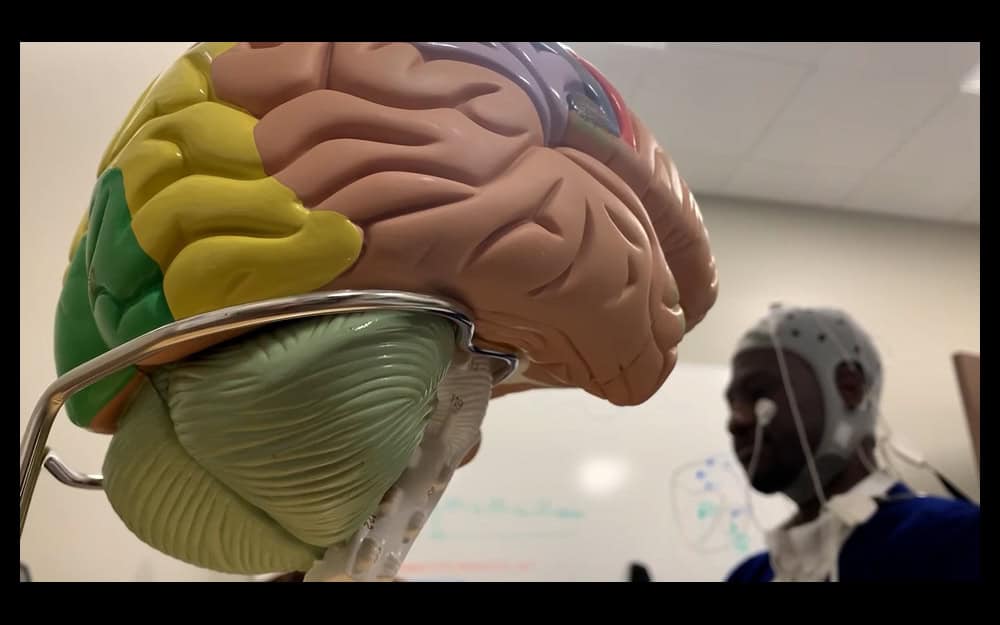
The human mind is full of mysteries, but it also holds the keys to solving them. While decades of research have shown that effective mental

“Attachment styles formed in childhood are foundations for life, but it’s never too late to strengthen them.” Continue reading here. “Our earliest years matter because
Research at Rogers Research Center is helping connect biology, genetics, and mental health, advancing treatment while reducing the stigma that prevents many people from seeking

“Failure” hurts. Here’s how to use it to grow. “Let’s not sugarcoat it: ‘failure’ is not fun. It is disappointing, it hurts, and it can

“What science — and thousands of patients — have taught me about connection, recovery, and belonging.” “As mental health providers, we spend much of our

Rogers Research Center is leading the way in exploring the connection between rare genetic disorders and mental health symptoms. Read on and watch the video

You don’t have to wait to feel undepressed. Here’s what you can do today to start feeling better. Depression can make even the simplest tasks
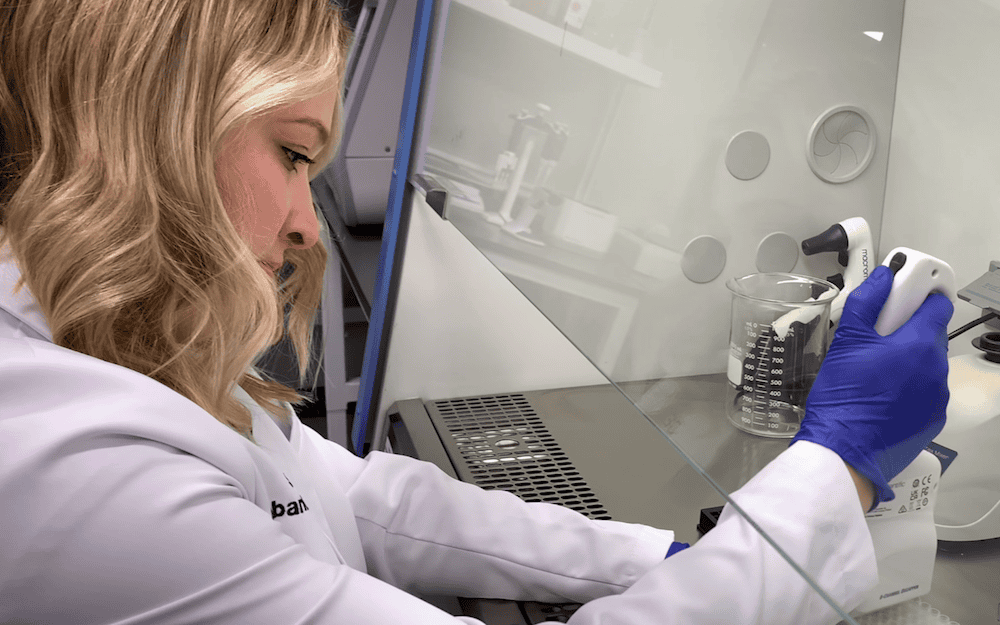
From a guide within us all to a blueprint for the future, the Biobank at Rogers Research Center is opening doors in mental health treatment.

When we metaphorically dance with — not around — our differences, life becomes more harmonious for everyone. Dancing to the beat of your own drum
