
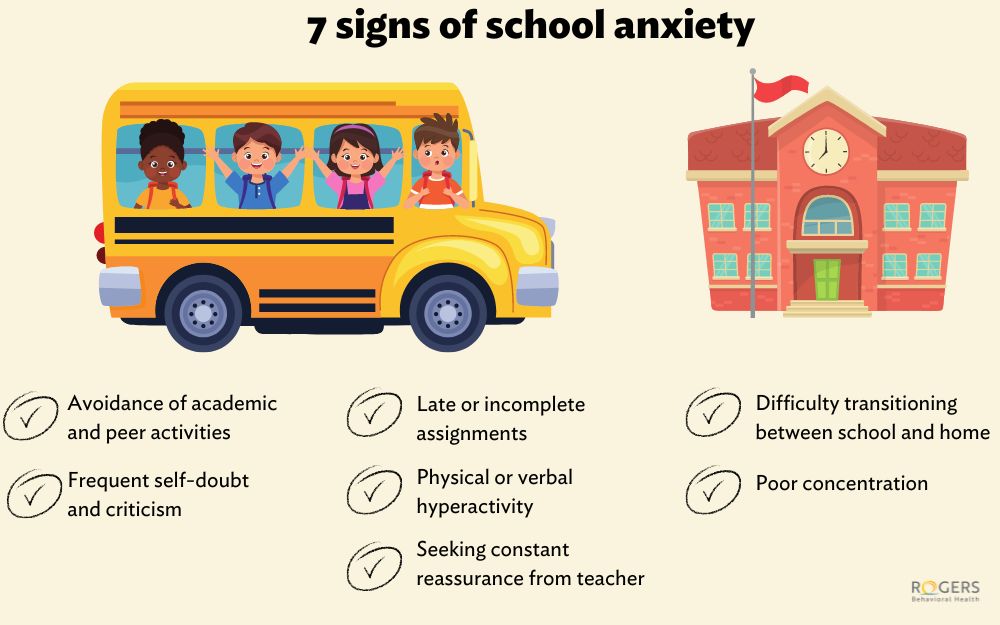
School anxiety: Signs and strategies
While returning to school brings anticipation and excitement, many students struggle with worries and fears beyond what’s considered the first-day jitters.
While returning to school brings anticipation and excitement, many students struggle with worries and fears beyond what’s considered the first-day jitters.

The Integrated Healing Program for Teens provides a combination of intensive rehabilitative services, medical care, and mental health treatment.

Rogers’ expert discusses children’s mental health and how lack of structure can lead to mental health challenges.
While students and families are preparing to welcome the carefree days of summer, it’s important to remember mental health challenges don’t take a break over the summer months.

While anxiety and other mental health challenges may be an obvious battle during the school year, parents and caregivers may think these same mental health challenges will ease with the slower pace of the summer months.

With the changing seasons comes the winding down of another school year. Before enjoying the slower pace of summer, students are experiencing the stress of completing final projects and exams, which can add to already heightened levels of anxiety and other mental health challenges.
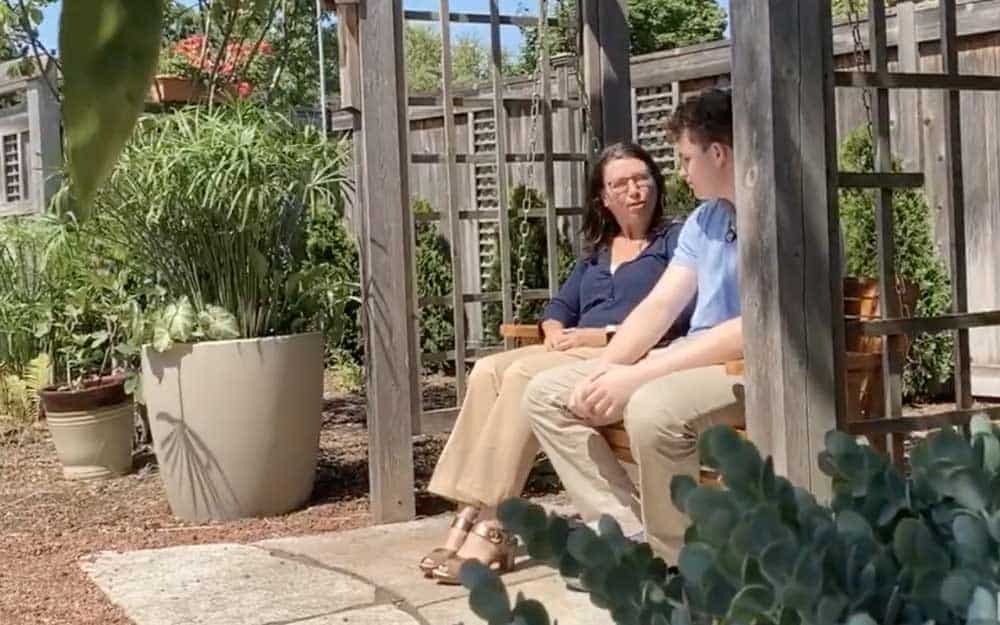
Jessica says from the time her son, Jake, was little, her family’s life revolved around his intense anxiety. From her first call to Rogers and throughout his subsequent treatment, she felt like they were finally in a place where people understood and were able to provide help and hope.
A recent CDC report is raising concern about teens and their mental health, saying rising levels of depression and anxiety are why they’re turning to substances like alcohol and drugs.

Diet culture is a set of beliefs that considers weight or weight loss more important than overall health and well-being. Rogers’ experts discuss this culture and how it impacts children and teens.
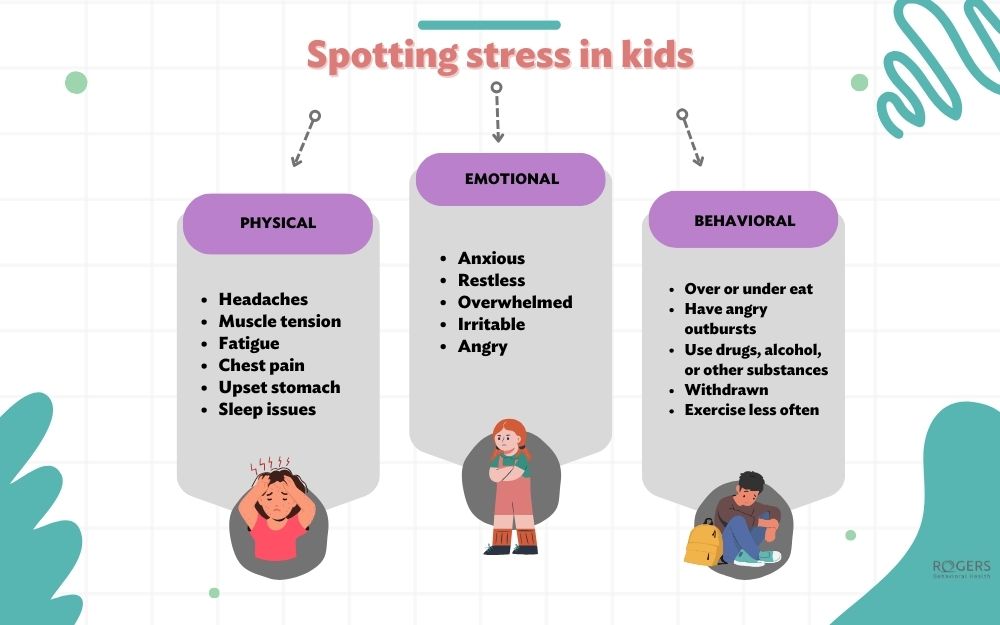
Rogers’ Dr. David Jacobi discusses stress and how parents can spot and help reduce it in children.
