

Understanding and treating school refusal
Starting the school year with new schedules, classmates, and experiences can cause feelings of excitement for some students, and nervous anticipation for others.
Starting the school year with new schedules, classmates, and experiences can cause feelings of excitement for some students, and nervous anticipation for others.

“Rogers was a last resort before I deferred starting college. I was 17 years young and had never spent that much time away from home before.”
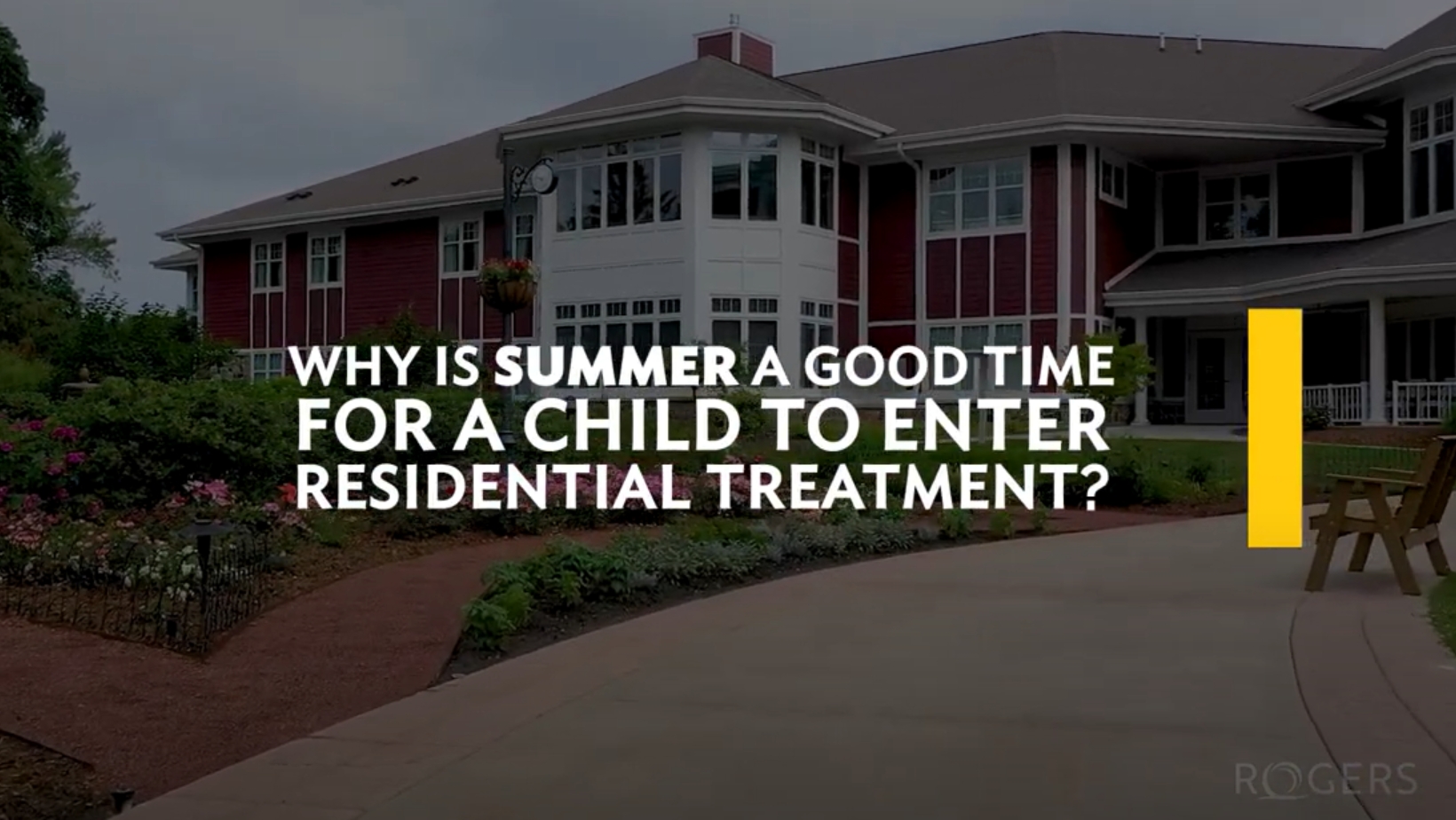
Summer is often mistakenly viewed as an inconvenient or unnecessary time for residential mental health treatment. However, the same reasons people may believe this may actually make it ideal.

Hear how Rogers uses evidence-based therapy to get kids and their families on the road to healing.

At Rogers’ OCD and Anxiety Center, multidisciplinary teams use highly effective cognitive behavioral therapy to help kids and teens reduce symptoms and develop lifelong coping skills.

The world-class OCD and Anxiety Center at Rogers Behavioral Health offers evidence-based, specialized residential treatment for children and teens.

When a child’s mental health or addiction challenges require specialized care, a common concern is not wanting the student to fall behind in school.

While having time to recharge is essential for everyone, excessive time at home typically has more drawbacks than benefits. Encouraging kids and teens to participate in prosocial activities, even with the ongoing pandemic, is important to prioritize.
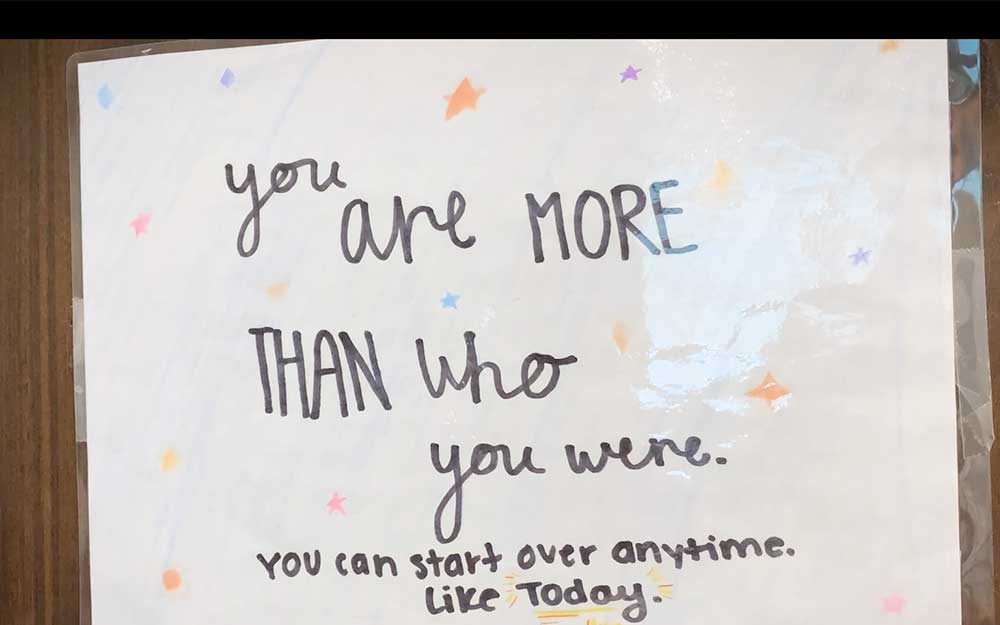
At Rogers’ OCD, Anxiety, and Depression Center, a board-certified psychiatrist leads a multidisciplinary team to provide residential treatment for teens with proven outcomes.
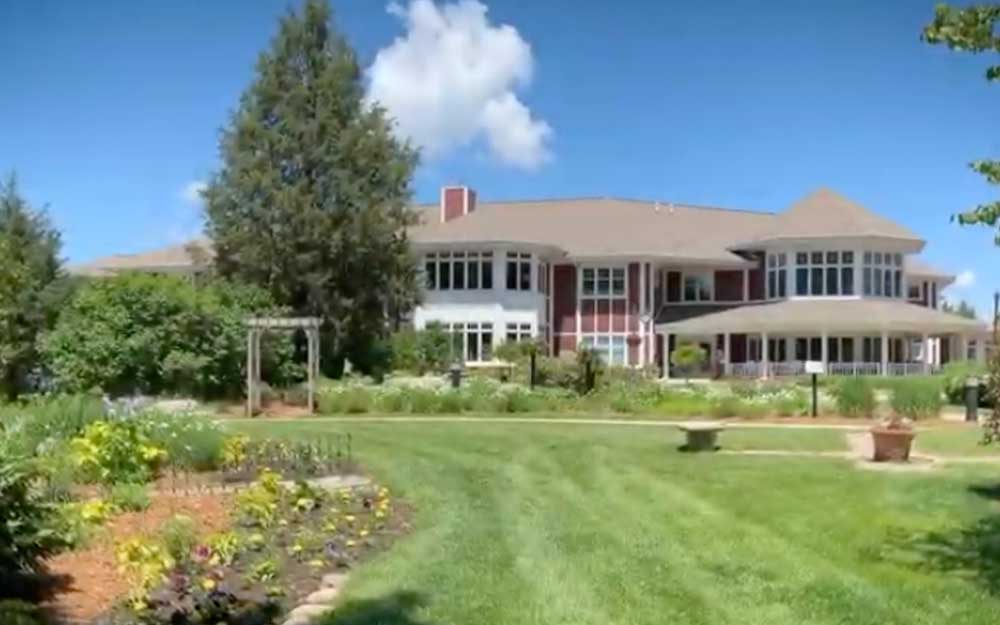
Rogers’ OCD and Anxiety Center provides residential care for kids ages 8 to 14. The Center features a welcoming home-like environment, with a multidisciplinary team of experts who create individualized treatment plans using evidence-based therapy.
