
When mental health symptoms become overwhelming or difficult to manage at home, more intensive mental health support is needed.
Melissa Stoffel, MS, LPC, ICS, director of clinical services at Rogers Behavioral Health in Oconomowoc, continues our series A Day in the Life at Rogers: Exploring Each Level of Care, sharing what inpatient treatment is and how it helps people begin healing.
What is inpatient treatment?
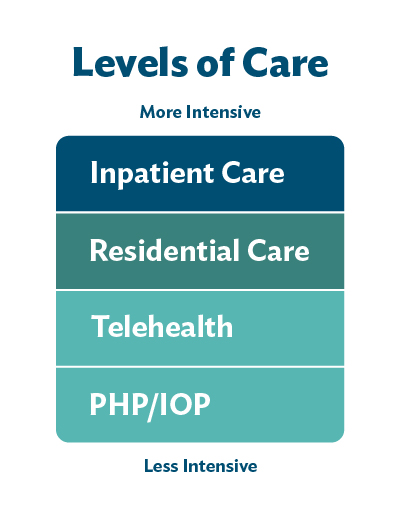
Inpatient treatment helps stabilize children, teens, or adults who are in a mental health crisis. This may include:
- Severe emotional distress or overwhelming thoughts and feelings
- Suicidal thoughts or thoughts of self-harming
- Eating disorders
- Substance use withdrawal
A typical stay is usually a few days to longer, depending on individual needs.
What is the most common misconception about inpatient care?
The most common misconception is that inpatient care is a break from everyday life rather than real mental health treatment. In reality, we offer a range of support, from individual and group therapy to experiential therapy.
How does the inpatient environment help people focus on healing?
Inpatient focuses on healing in many ways including:
Education: Helps people better understand what they’re experiencing, whether that’s depression, anxiety, an eating disorder, OCD, PTSD/trauma, or substance use.
Support system: Family members and loved ones are included in the treatment process to offer support during the inpatient stay and while preparing for discharge.
Coping skills: People in our care learn and practice healthy coping skills with guidance and support from experienced clinicians.
Peer support: Group sessions offer connections with others facing similar challenges, allowing people to share experiences and learn what’s helped others in stressful situations.
Next steps: The care team works with each individual to identify the next level of treatment and connect them to community resources to support ongoing recovery.
What does a typical morning look like in inpatient care?
We provide each person with a schedule so they can plan for their day and know what to expect, including therapy sessions and meals.
Time is given to complete typical hygiene tasks, like showering, in addition to eating breakfast, and taking any medications. Care team members check in and provide support as needed.
What types of therapy sessions are offered during the day?
Our therapy sessions vary based on individual treatment needs. Group sessions offer education about depression and anxiety, coping skills, and safety planning, to name a few.
Individual sessions can be with a variety of care team members, including a therapist, psychiatrist, dietitian, or discharge planner. Experiential therapy could include art therapy, recreational therapy, or music therapy.
How are meals structured and supervised in inpatient care?
Meals and snacks are provided at the same time each day. We encourage going to the cafeteria, when possible.
People receiving treatment for eating disorders work with their dietitians on a meal plan and eat with others also receiving care for eating disorders.
How are people receiving inpatient care supported?
Care team members help individuals manage stress, anxiety, and triggers. A variety of team members support each person, including a nurse, therapist, physician, dietitian, and behavior specialist. Everyone completes a safety plan with their therapist when they’re admitted to care.

We focus on helping each person build coping skills that can be practiced in different settings.
What does the evening routine look like?
Just like during the morning, there are structured activities in the evening. These could include healthy leisure, visitation with family or other support people, and a check out group to discuss a goal for that day. The last part of the evening is reserved for hygiene and other quiet activities to get ready for a restful night’s sleep.
How can families stay involved or updated on their loved one’s progress?
People receiving inpatient care can talk to and visit with their family or loved ones on a daily basis. Support sessions are also offered so that families can stay connected to an individual’s treatment goals, receive education, and understand how to support their loved one after discharge.
What advice do you have for someone supporting a loved one receiving inpatient care?
My advice is to keep in contact, ask questions, stay curious and open to learning new ideas or ways of thinking, and stay involved. Ask them how you can provide support after they leave inpatient care and start the next phase of their treatment.
Next in our series, learn about what treatment looks like in our partial hospitalization (PHP) and intensive outpatient (IOP) programs, helping people heal while they live at home.