

What is TMS?
When antidepressant medication has proven ineffective, transcranial magnetic stimulation may be a solution for those who have been diagnosed with major depressive disorder (MDD).
When antidepressant medication has proven ineffective, transcranial magnetic stimulation may be a solution for those who have been diagnosed with major depressive disorder (MDD).

Do you remember how you felt when you first started attending school? How about when you transitioned to high school? For some students, that stress doesn’t go away quite so easily and may lead to a deeper struggle.
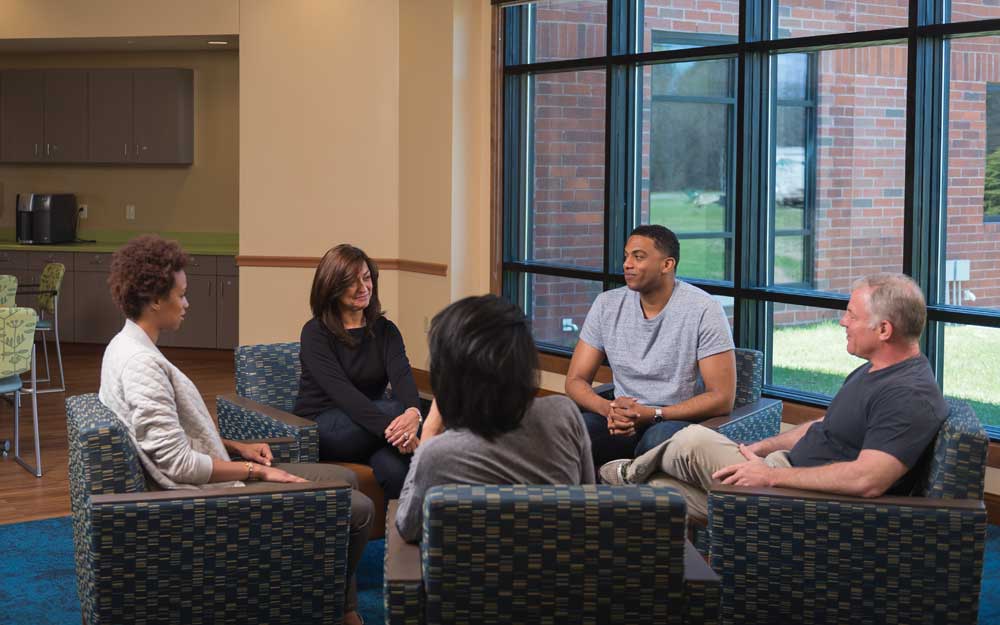
A team of leading providers at Rogers set out to improve the quality of inpatient care for patients with a focus on standardizing treatment to achieve optimal outcomes. Learn how new treatment protocols are helping patients.

Oftentimes a teen’s moodiness can be attributed to life changes occurring at that time, but how do you know when the ever-changing moods are just part of puberty or if they’re a sign of something deeper?

The teenage years are an exciting and challenging time of change which can produce a lot of stress and uncertainty. In fact, girls are twice as likely as boys to develop mood disorders that can present as anxiety and depression.

The recent release of 13 Reasons Why season 2 is prompting an essential dialogue in our communities. Learn how parents can use the show to open lines of honest communication with their teens.
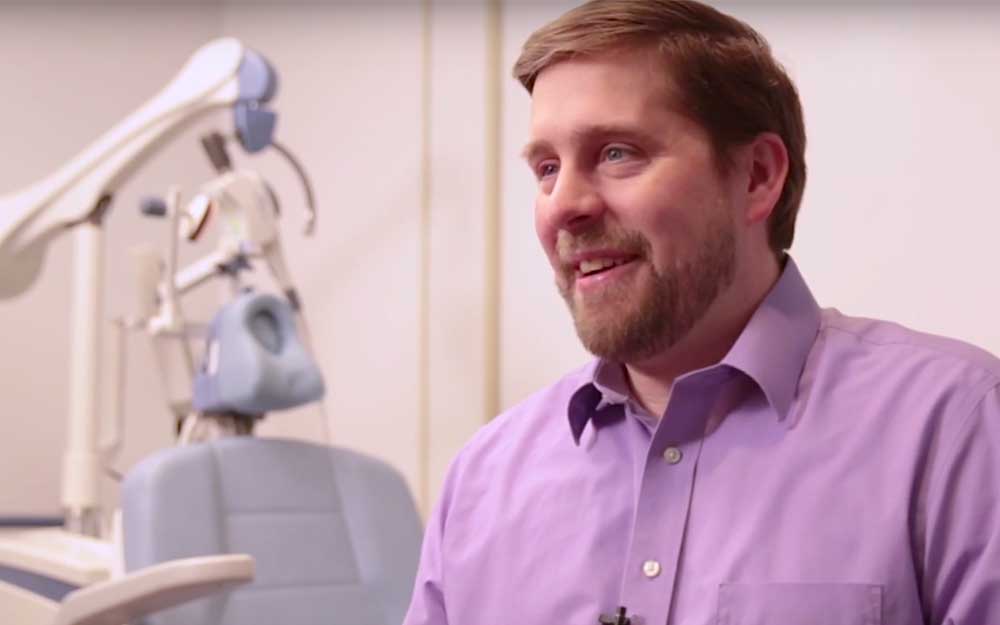
Transcranial magnetic stimulation may be effective where traditional treatment routes have failed to offer relief from depression. Learn more about how it works, how one qualifies for treatment, and what the future of TMS looks like.
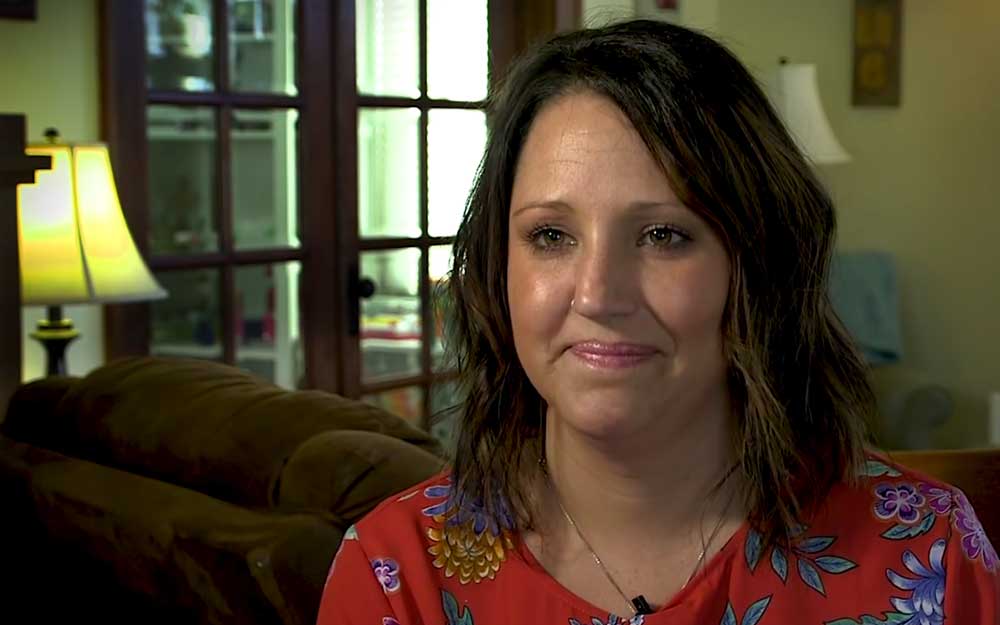
When a causal relationship with alcohol collided with the complications of postpartum depression, Kate fell into a downward spiral. Hear how the right mix of family, hope—and treatment—brought her back.

Depression can cause us to isolate and avoid activities that were once enjoyable. Behavioral activation helps people engage in life and undo the damage that depression causes.

Sticking to healthy limits and changing the approach to accommodation can be critical when it comes to raising a resilient child.
