

New podcast provides critical insights for parents on teen addiction
Rogers’ Dr. Michelle Maloney discusses the state of teen addiction across our communities in Rogers’ new podcast, Reducing the Risk of Teen Addiction.
Rogers’ Dr. Michelle Maloney discusses the state of teen addiction across our communities in Rogers’ new podcast, Reducing the Risk of Teen Addiction.

Rogers’ experts share common misconceptions surrounding suicide and the warning signs to look out for.

Socialization is essential to everyone’s health and well-being, but it is especially important for children to learn the unwritten norms of social interaction.

One of the things parents check off the To Do list heading into the new school year is a well check or sports physical for their child. Dr. William Gerard explains why discussing mental health during these visits is crucial.

Parents and their children continue to adapt to the fluidity of the COVID-19 environment—work schedules, cancelled summer camps, delayed sports seasons, and now the looming of a different kind of school year.

Summertime—a season when families typically slow down and focus on making memories together. But this is not a typical summer. Due to the pandemic, families are spending more time sharing the same space than ever before. And with all that togetherness, it can be common for parents to see increased signs of sibling rivalry.
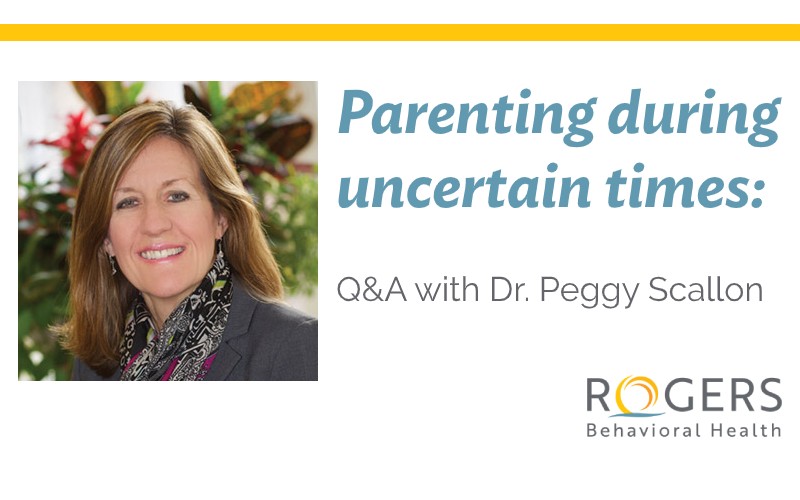
Rogers is hosting a live Facebook Q&A session to discuss parenting during the COVID-19 pandemic on Wednesday, August 12 at 2 pm CT. You can click Get Reminder in the embedded post below to receive a notification from Facebook when we go live. Can’t make it for the live session? Reach out to us over Facebook Messenger with questions that you would like to ask our expert and keep an eye out for the published video later that day.

Talking about the uncertainties of COVID-19 and adapting to a new schedule can be hard for any child, but when you have a child struggling with a mental health disorder like OCD, anxiety, or depression, and the child is on the autism spectrum, it’s even harder.

Even as school-age children are learning at home while their working parents try to balance their jobs and keep their children on task, Dr. Amanda Heins says it’s important to maintain as much normalcy as possible during these uncertain times.

As the coronavirus continues to spread, each day brings unsettling news and changes to our lives. People of all ages are trying to come to terms with the new normal—especially young children who may not fully understand these trying times.
