
3 practices to challenge perfectionism
While a new school year offers new opportunities, it can also stir up pressure to perform. For many students, school comes with high expectations, busy schedules,
While a new school year offers new opportunities, it can also stir up pressure to perform. For many students, school comes with high expectations, busy schedules,

As summer slowly fades to fall, change is in the air, for children and parents. New schedules and pressures can feel overwhelming, but this season

Why do kids experience end-of-summer anxiety? It’s normal for kids of all ages to feel nervous ahead of a major transition. The end of summer

School refusal describes a set of behaviors exhibited by children having difficulty either going to school or staying in school on a regular, or chronic basis.
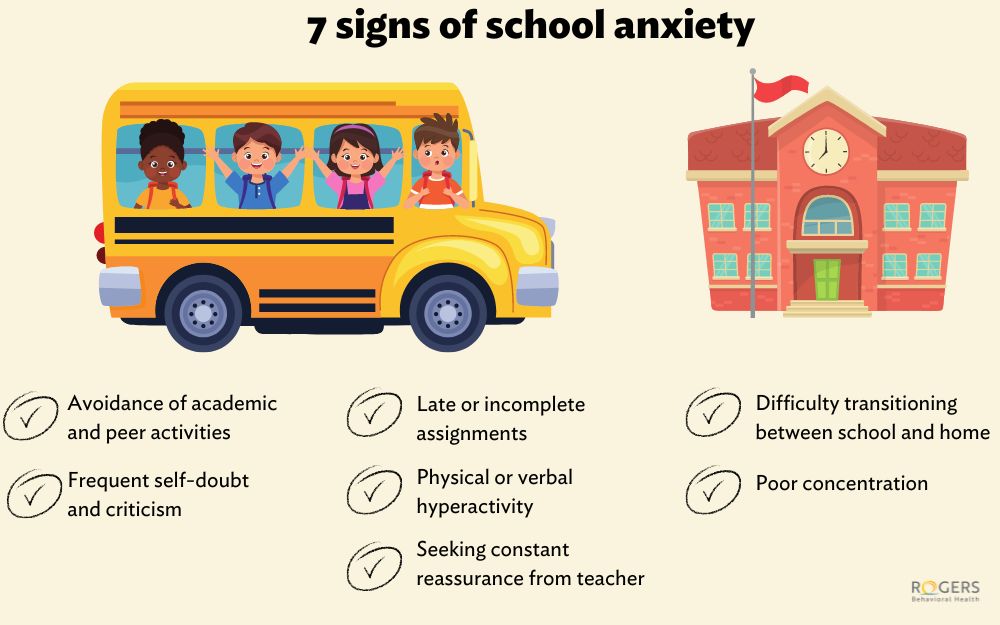
While returning to school brings anticipation and excitement, many students struggle with worries and fears beyond what’s considered the first-day jitters.

With the changing seasons comes the winding down of another school year. Before enjoying the slower pace of summer, students are experiencing the stress of completing final projects and exams, which can add to already heightened levels of anxiety and other mental health challenges.

Starting the school year with new schedules, classmates, and experiences can cause feelings of excitement for some students, and nervous anticipation for others.

Studies show the median age of onset for an eating disorder is 18-years-old for bulimia and anorexia, and 21-years-old for binge eating. Ten to 20% of women and 4 to 10% of men in college suffer from an eating disorder, and rates are on the rise.

When a child’s mental health or addiction challenges require specialized care, a common concern is not wanting the student to fall behind in school.

When young patients receive mental health or addiction care at Rogers, a key part of care focuses on teaching valuable strategies to help them keep up with school while in treatment and in the future.
