

How Rogers encourages family involvement during addiction treatment
For the families of someone with a substance use disorder, it can be difficult to know how to be there for your loved one during treatment.
For the families of someone with a substance use disorder, it can be difficult to know how to be there for your loved one during treatment.

Rogers’ Dr. Michelle Maloney discusses the state of teen addiction across our communities in Rogers’ new podcast, Reducing the Risk of Teen Addiction.

People who enter inpatient care are frequently seeking help managing withdrawal symptoms or are there due to an emergency situation from drug or alcohol use. But what happens after this short-term treatment, is critical for long-term recovery.

Addiction treatment can be life-changing and oftentimes lifesaving for those in need. While there are many components of effective treatment, the 12 steps can be crucial to sobriety and long-term recovery.
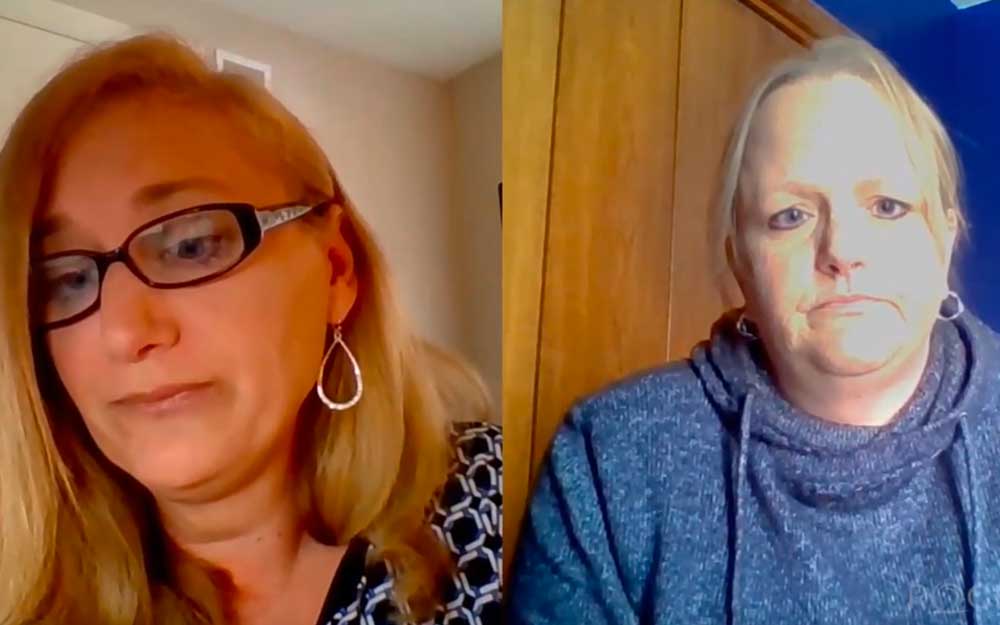
COVID-19 is creating untold challenges for everyone, but for the 21 million Americans dealing with addiction, it’s especially tough.

As much of the nation is under stay-at-home orders to keep communities safe from COVID-19, Rogers’ Dr. Michelle Maloney, executive director of addiction services, shares that some are also finding the need to keep themselves safe from another health risk, addiction.

Suicide is the second leading cause of death in young people today—more than homicide, more than overdoses, more than cancer. In today’s blog we discuss the alarming rise of suicide among this age group and how we can help prevent it.

Growing up, Dylan seemed to be on the right track with good grades and lots of friends, but by the end of middle school, he was already in engaged in drinking alcohol, and smoking cigarettes and marijuana. The downward spiral continued for several years, even after he became a father. It turned out that addiction wasn’t the only hurdle he had to overcome.
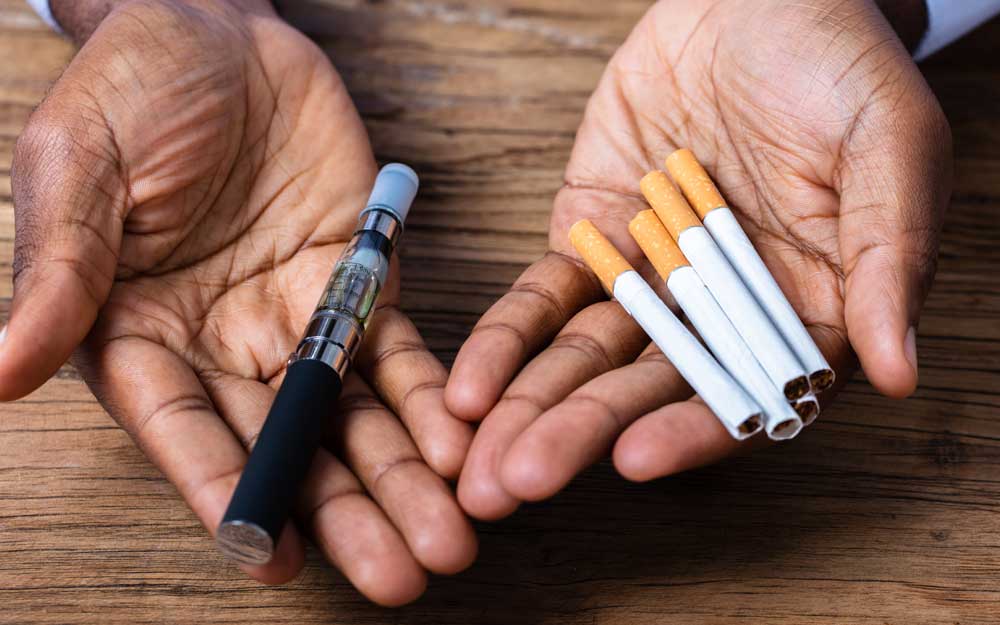
As vaping gains more popularity, especially among young people, misconceptions and questions are rampant. Dr. Michelle Maloney answers some of the most common questions surrounding vaping and e-cigarettes.

It can be scary and overwhelming when a loved one is experiencing a relapse, whether early or long into their recovery. Michelle Maloney, PhD, director of addiction programing at Rogers, notes that relapse is not a sign of failure. She offers some tips for how you can show support for someone who is experiencing a relapse.
