
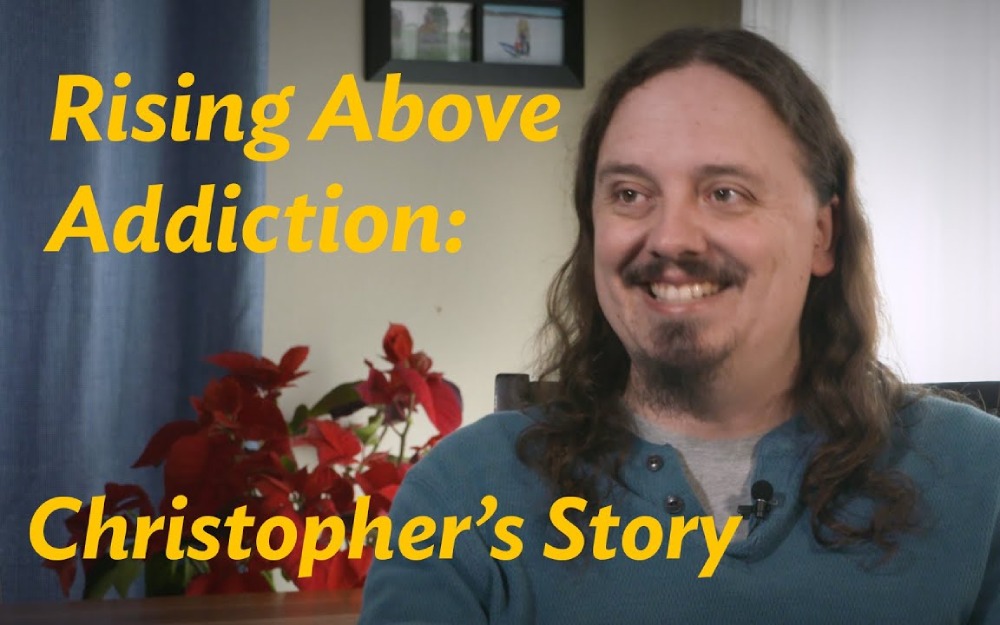
Christopher’s Story: Rising Above Addiction
Chris was aware that his habits surrounding alcohol were unhealthy but didn’t realize to what extent until he noticed his hands shaking in the morning before he had his first drink.
Chris was aware that his habits surrounding alcohol were unhealthy but didn’t realize to what extent until he noticed his hands shaking in the morning before he had his first drink.

Sleep—we spend one-third of our lives doing it, yet what seems like it should be second nature is a struggle for up to one-third of adults.
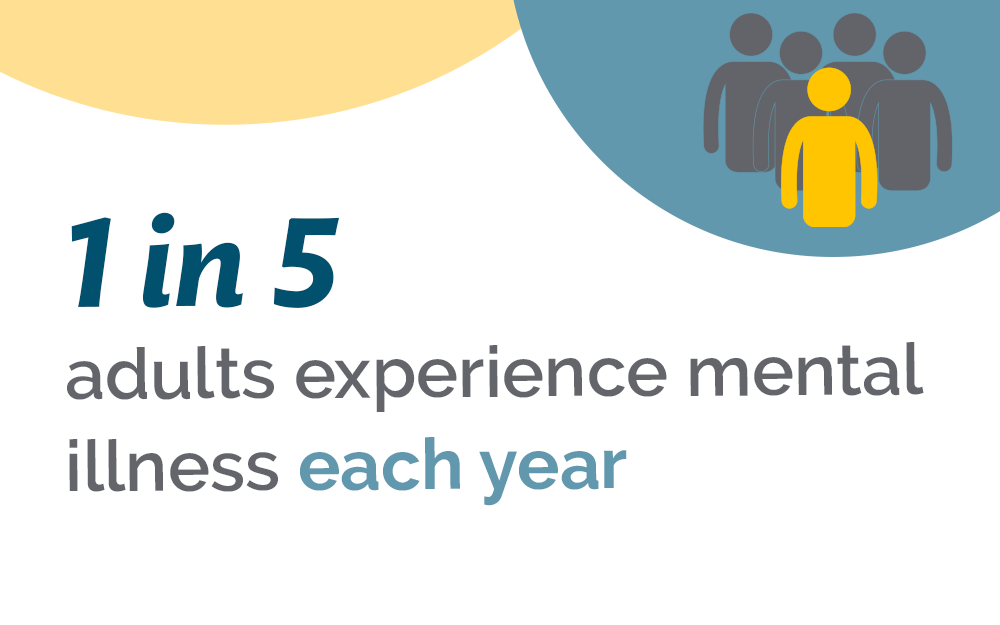
Every May since the mid-1900s, Mental Health Month has served as a time to help spread awareness and reduce stigma surrounding mental health and addiction. Mental Health America has chosen “Back to Basics” as this year’s theme. In this spirit, we’ve put together information to help you understand common mental health conditions, where to find resources, and how to find treatment.

Oftentimes assumed to be big city issues, a recent report is shedding light on the impact of mental health and addiction in rural communities.

It’s estimated one in eight children ages 17 or younger are living in households with at least one parent who has a substance use disorder (SUD). Rogers’ Dr. Sean LeNoue discusses this and how youth are impacted.

Take a tour of Rogers’ outpatient clinic and supportive living house in Sheboygan.

Throughout COVID-19, there’s a heightened need for mental health and addiction care. In response, Rogers Behavioral Health began serving patients virtually across the country through Rogers Connect Care — a telehealth treatment option for people who would benefit from specialized partial hospitalization or intensive outpatient levels of care.

Studies show that nearly one-third of alcohol users and half of drug users also have a mental illness. To effectively treat both addiction and co-occurring disorders at once, Rogers looks at patients holistically instead of isolating one issue at a time.

If a friend or loved one tells you they’ve been in treatment for mental health or addiction, you may be wondering about the best way to respond. Rogers’ Sue McKenzie Dicks, vice president of healthy culture at Rogers Behavioral Health, shares some common missteps and supportive things to say so your friend or loved one feels validated and understood.

According to the National Center for Drug Abuse Statistics, teen drug use is on the rise, with alcohol and marijuana being the most used substances. Dr. Angela Orvis answers commonly asked questions about teen substance use and explains the difference between experimentation and addiction.
