
Your Choice program helps parents identify substance abuse
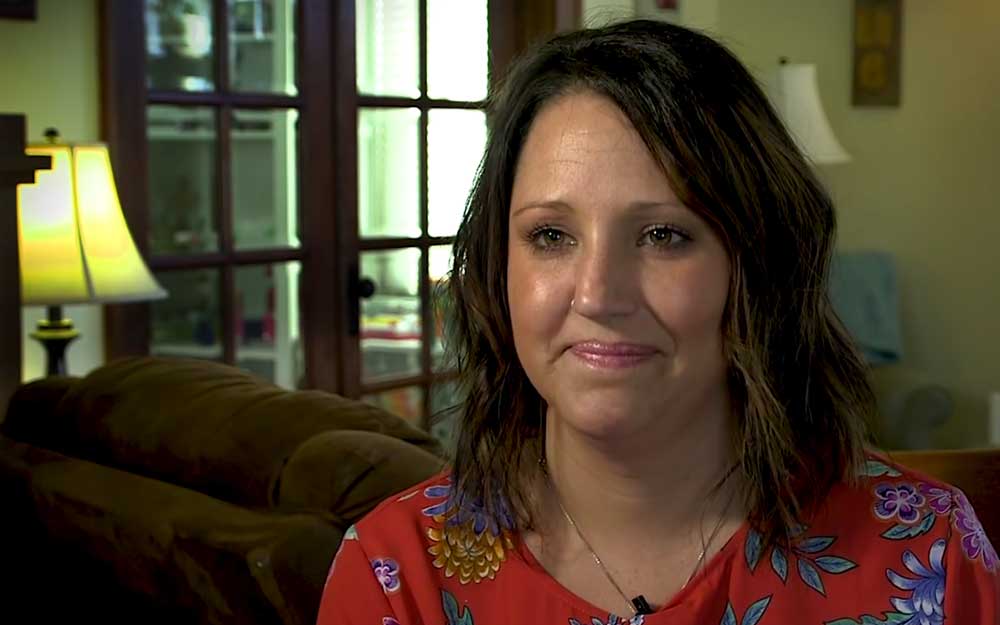
Wake Up Call, a program by Your Choice-Live, helps parents identify warning signs of possible drug or alcohol use in their children’s bedrooms.

Careers • Refer a Patient • Donate • Blog • Newsroom
Wake Up Call, a program by Your Choice-Live, helps parents identify warning signs of possible drug or alcohol use in their children’s bedrooms.

This spring, Rogers Memorial Hospital–Brown Deer began offering a new program: Opioid Addiction Intensive Outpatient Program (IOP) with Medication-Assisted Treatment (MAT). The program, which was designed specifically for adults with opioid addiction who want to add medications for reducing withdrawal and cravings symptoms into their care plan, has been well received by patients.

Many adults wrongly believe that once they complete their detox treatment, they will immediately be freed from their drug or alcohol addiction. Beth Shaw, counselor, addiction intensive outpatient program at Rogers Memorial Hospital’s Lincoln Center Outpatient Center in West Allis, knows the work has just begun.

According to the National Alliance on Mental Illness (link is external) (NAMI), about one-third (link is external) of people with mental illness also experience substance abuse—meaning that they have a “dual diagnosis.” Amy Kuechler, PsyD, attending psychologist for the adolescent dual diagnosis program at Rogers Memorial Hospital–Brown Deer, explains that teens with mental illness—such as depression, attention deficit hyperactivity disorder (ADHD), anxiety or trauma—may be even more susceptible to substance abuse.

Michael M. Miller, MD, medical director of the Herrington Recovery Center at Rogers Memorial Hospital and attending physician for the adult dual diagnosis partial hospitalization program at Rogers’ new Silver Lake Outpatient Center in Oconomowoc, has served a leadership role in the research and writing process of the American Society of Addiction Medicine (link is external)’s (ASAM) new policy (link is external)statement on marijuana, cannabinoids and legalization. The statement was written to inform Congress, the media, the general public and especially physicians and other healthcare professionals about cannabis and cannabis products and the health impact of expanded access to these substances.

Rogers Behavioral Health is a national leader in the use of cognitive behavioral therapy (CBT), a widely accepted treatment approach for people with obsessive compulsive disorder (OCD) and anxiety. As the foundation of our treatment programs, studies show that CBT delivered in a highly structured, yet managed approach, empowers our patients to gain control over their symptoms and learn effective strategies they can use throughout their lives.

Commonly referred to as DSM-5 or “psychiatry’s bible,” the fifth edition of the Diagnostic and Statistical Manual of Mental Disorders by the American Psychiatric Association (APA) provides revised criteria to be used by clinicians as they evaluate and diagnose different mental health conditions. Included in DSM-5 is a new chapter on “Substance-Related and Addictive Disorders.”

Believe it or not, the first attempt to gather information about mental health was done to collect statistical information for the 1840 census. In fact, it was these early census recordings that distinguished early categories of mental health. It was not until post-World War II that the first edition of the DSM or Diagnostic and Statistical Manual of Mental Disorders (DSM) was published. It was then this clinical and diagnostic tool, published by the American Psychiatric Association, provided description and diagnostic categories for clinicians working with mental disorders. Today, the DSM is still considered the authoritative guide by behavioral health professionals throughout the country, providing the common language and standard criteria for the classification of mental disorders.

As parents, friends and family members, we’re consistently reminded to keep our medications out of sight and reach. For many, the assumption is that this step is meant to keep small children safe. In reality, however, young children are not the only ones in danger—adolescents and adults are also at risk, as they have access to unsupervised medicine cabinets. In fact, reports indicate that thousands of teens use a prescription drug intended for someone else every day.

When thinking about excessive alcohol consumption most people picture the typical adverse effects such as slowed reaction times, poor decision making and even liver problems. But what are the hidden costs of excessive alcohol consumption and can it have a lasting effect on health or even your pocketbook?
Give us a call today for an immediate screening.
Not ready to call? Reach out to Rogers online.