
Taking the step into residential mental health treatment can feel like a lot to carry. It’s okay to feel unsure about being away from loved ones while you give yourself permission to focus on your mental health.
Ben Peerbolt, MBA, MSW, LCSW, executive director of clinical services at Rogers Behavioral Health’s Oconomowoc campus, kicks off our series, A Day in the Life at Rogers: Exploring Each Level of Care. Ben answers common questions about residential care and explains how it supports long-lasting recovery.
How is a day in residential care different from outpatient care?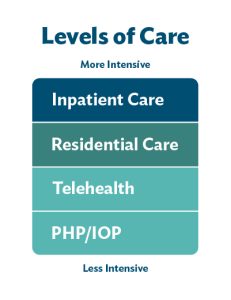
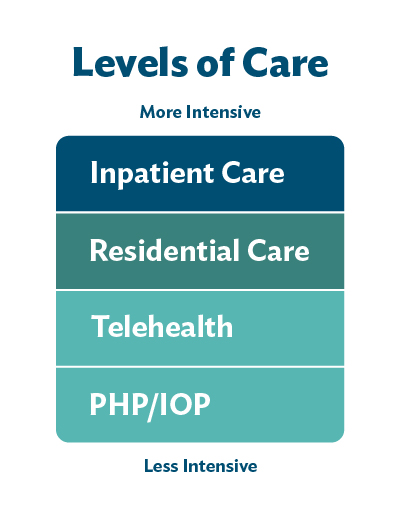
The biggest difference is how much time you spend in treatment. In outpatient care, you participate from one to six hours a day, depending on whether it’s traditional outpatient, intensive outpatient, or partial hospitalization. In residential care, you live onsite 24/7, typically for 30 days or more.
Besides designated time to meet with your care team members, treatment is built into everyday routines, including meals, recreation, and leisure time. We’re intentional about providing therapeutic opportunities. For example, a person with social anxiety will develop goals with their therapist or behavior specialist to work on in real-life situations throughout the day.
What are the benefits of residential care?
One of the biggest benefits of residential care is the ability to focus. It’s carving out sacred time from your life and putting aside distractions we slip into, both consciously and unconsciously. That could be relationships that may feel good but don’t always support your recovery or growth. We distract ourselves with leisurely activities, too, like turning on the TV and zoning out. Work, school, and family obligations can also pull us away from tending to our mental health.

Having the time and space to invest in yourself for an extended period is powerful. It’s a calling, a mission to take advantage of the opportunities to heal and grow that you haven’t been able to prioritize before. That’s different than outpatient care, where you still have to balance all those other life obligations. In residential, it’s truly an opportunity to focus on you.
How does residential treatment support healing?
Given that treatment is woven into most parts of your daily experience, in addition to the amount of time and space provided to focus on it, growth and healing can occur readily and profoundly. In this way, residential treatment calls for a different level of motivation. Additionally, working toward treatment goals alongside others who are in a similar stage of intentionality can serve as a catalyst for healing. It creates a dynamic environment you can springboard from and make powerful changes.
What does a typical morning in residential care look like?
You’re given time in the morning to focus on self-care and build healthy habits and routines. That includes activities of daily living, or ADLs, as we call them, like waking up, brushing your teeth, and taking a shower. Oftentimes, these are treatment opportunities. People frequently come to residential care needing to work on those things.
We prioritize breakfast because we know that the first meal of the day is important. After breakfast, you get into scheduled treatment pretty quickly, such as an education group where we teach about different aspects of mental health. It’s a great way to tee up the day with focus and a guiding compass.
What does therapy look like in residential treatment?
Besides education groups, we provide opportunities to process your thoughts and emotions in group settings.
What’s unique about residential treatment at Rogers is that we offer behavior and experiential therapy. It allows you to learn and process through hands-on experience. Experiential therapy can include arts and crafts, movement, a ropes course, gardening or other therapeutic horticultural activities, and canine comfort or canine intervention therapy. Activities vary by campus.
You’ll meet daily with licensed therapists and trained behavioral specialists. Rogers prioritizes maintaining a high caliber of trained clinicians to provide the best patient experience and treatment outcomes possible.
How do residents balance therapy and free time?
The middle of the day is more structured, consisting of treatment sessions with members of the care team and various activities. You can think of it as a typical workday, with set hours to work on yourself, whether that’s one-on-one time or in group sessions.
The evening is intentionally less structured to give time for homework, which includes treatment goals created with the care team.
There are different tiers of freedom and flexibility. You start with your time being a little more scheduled. As you progress through treatment and demonstrate independence and commitment to your treatment plan, you’re given more opportunities for outings, like a trip to the YMCA. You’re not confined to a building all day, every day. We definitely want people to have opportunities to experience and integrate into the local community.
You also have the opportunity to exercise while on campus. Many of our programs have excellent workout equipment.
How do meals support mental health recovery?
We take meals very seriously. We know the importance of nutrition for supporting mental health. We prepare balanced meals in our kitchens. We’re intentional about not having too many options for sugary foods or beverages.
We support people who have eating disorders or disordered eating and help them work on any identified goals. Since self-medicating with food is not uncommon, especially when coupled with other mental health challenges, Rogers provides specialized care and treatment in this area. Our registered dietitians are an important part of the treatment team. They’ll work with you to design a nutrition plan tailored to your unique needs and treatment goals, whether you’re recovering from an eating disorder, or addressing another mental health challenge.
How do residents interact with each other during the day?
We strive to create a homelike environment, including social and recreational opportunities, such as pool, ping-pong, and games. The goal is to offer wholesome group activities to foster fun and supportive relationships.
Many people in our care struggle with loneliness and isolation. It tends to be how we try to protect ourselves from feeling vulnerable and uncomfortable. Connecting with others in a playful way can help break those destructive tendencies. Sometimes, it’s during downtime that people learn healthy ways to live more holistically.
Peer support is huge. That in and of itself becomes a game changer for healing and change, especially as you see other residents go through those same growth opportunities day in and day out.
What does the end of the day look like?
Just like the start of the day, there’s time built into the schedule for activities of daily living, like showering, personal hygiene, and self-care. Often, sleep suffers when we’re spiraling with destructive habits and trying to cope with mental illness. We recognize the importance of giving people enough time to settle into bed and sleep so they can wake up and have a productive, structured day.
There’s also time to connect with family members and loved ones through phone calls or visits. You can also do practical and real-life activities, like job hunting or looking for housing on computers we provide.
How does Rogers involve families and loved ones and keep them updated?
The ideal scenario is to have your family or loved ones involved. We want to establish that connection right out of the gate at the start of treatment and ideally keep them updated on a weekly basis.
People come to us with a complex history and a story of why their life is challenging. We work with you to chart an individualized treatment plan with very specific goals that we help you achieve. We want you to be the driver of treatment planning. Your family or loved ones can participate by offering feedback or suggestions. They can also meet with you and your therapist for support sessions.
They can come on the weekends for independent outings. It’s a gradual increase of independence and self-sufficiency. When you leave our care, you return to your everyday life. We want to prepare you slowly and intentionally for that.
How will I know when my residential treatment is complete?
There isn’t a one-size-fits-all timeline. Your care team will partner with you every step of the way, monitoring your progress and helping you decide when it feels right to move to a less intensive level of care.
Next in our series, we’ll explore inpatient care and how it supports people during a mental health crisis.