

How do you know when your child with autism has a mental health disorder?
Like all kids, those on the autism spectrum display a wide variety of behaviors and emotions. It can be tricky to know what’s normal and what needs to be addressed.
Like all kids, those on the autism spectrum display a wide variety of behaviors and emotions. It can be tricky to know what’s normal and what needs to be addressed.

Much like treatment for eating disorders reintroduces foods or calories that have been eliminated, helping to reestablish a healthy relationship with exercise is an important part of eating disorder recovery at Rogers.

Kids who are dealing with depression, anxiety, or attention deficit hyperactivity disorder (ADHD) are at a higher risk for a drug or alcohol problem. In fact, ninety percent of addictions start in the teen years.

While mental health disorders do not discriminate, there is increasing recognition that mental health disorders do affect various populations differently.
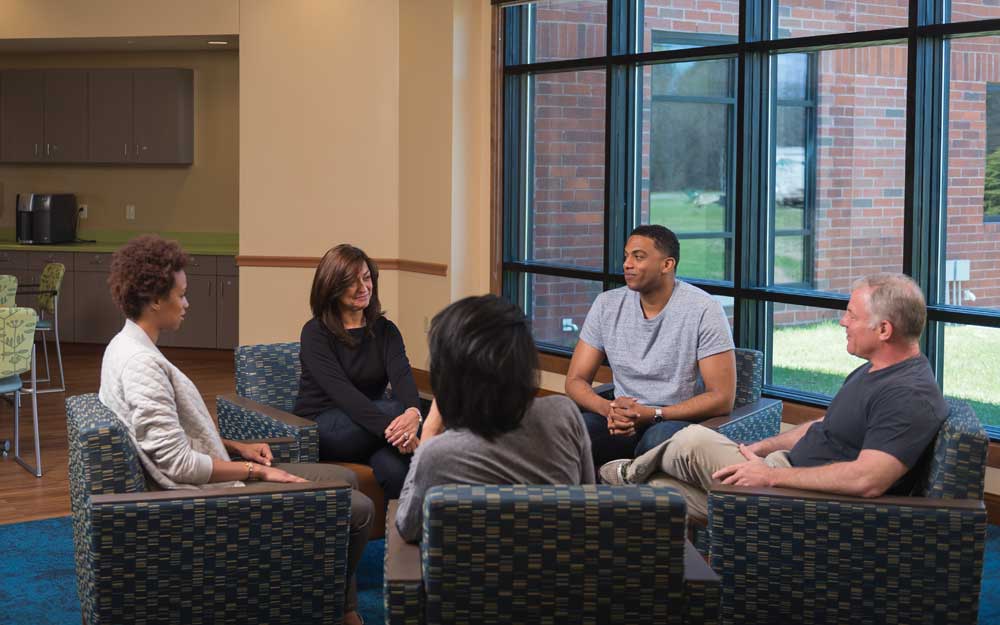
A team of leading providers at Rogers set out to improve the quality of inpatient care for patients with a focus on standardizing treatment to achieve optimal outcomes. Learn how new treatment protocols are helping patients.

Oftentimes a teen’s moodiness can be attributed to life changes occurring at that time, but how do you know when the ever-changing moods are just part of puberty or if they’re a sign of something deeper?

“As much as people think they’re getting everything they need from their ‘pure foods,’ they’re not.” Rogers’ Dr. Elizabeth Hamlin discusses when your diet could be headed toward orthorexia.

No one’s depression, anxiety, or other mental health struggle is the same, which requires having an array of therapeutic tools at the ready. Pet therapy can give someone the push they need to make additional strides in therapy, but many are confused over what it is and how it works.

Many parents of kids with autism spectrum disorder (ASD) have been on a lengthy journey to come to a diagnosis and find the right resources to help their children.

With locations across the country, Rogers treats hundreds of children and teens over the holiday season. This can be a difficult time, especially for those who are with us for residential or inpatient care and as a result, are away from family.