

Strategies for managing workplace burnout
Besides affecting how people do their jobs, workplace burnout impacts how people engage at home and perform in other things they do outside of work. Rogers’ experts share strategies for managing burnout.
Besides affecting how people do their jobs, workplace burnout impacts how people engage at home and perform in other things they do outside of work. Rogers’ experts share strategies for managing burnout.
High levels of workplace stress can lead to burnout, impacting not only the individual employee, but also colleagues, customers, and the company as a whole. Rogers’ experts share their insights.

While anxiety and other mental health challenges may be an obvious battle during the school year, parents and caregivers may think these same mental health challenges will ease with the slower pace of the summer months.

For some college students, the summer months can present unique challenges to their mental health, while for others, it can be the perfect time to address struggles they faced during the school year.
“Since being discharged, I have been fully committed to my treatment plan. I see my therapist weekly and a psychiatrist monthly, and it is because the Rogers’ team made it clear my mental health is an ongoing commitment.”

Boundaries are the invisible lines that separate us from everyone else. They can be physical, spiritual, emotional, intellectual, material, financial, or time-based.

With the changing seasons comes the winding down of another school year. Before enjoying the slower pace of summer, students are experiencing the stress of completing final projects and exams, which can add to already heightened levels of anxiety and other mental health challenges.

Jessica says from the time her son, Jake, was little, her family’s life revolved around his intense anxiety. From her first call to Rogers and throughout his subsequent treatment, she felt like they were finally in a place where people understood and were able to provide help and hope.

A recent CDC report is raising concern about teens and their mental health, saying rising levels of depression and anxiety are why they’re turning to substances like alcohol and drugs.
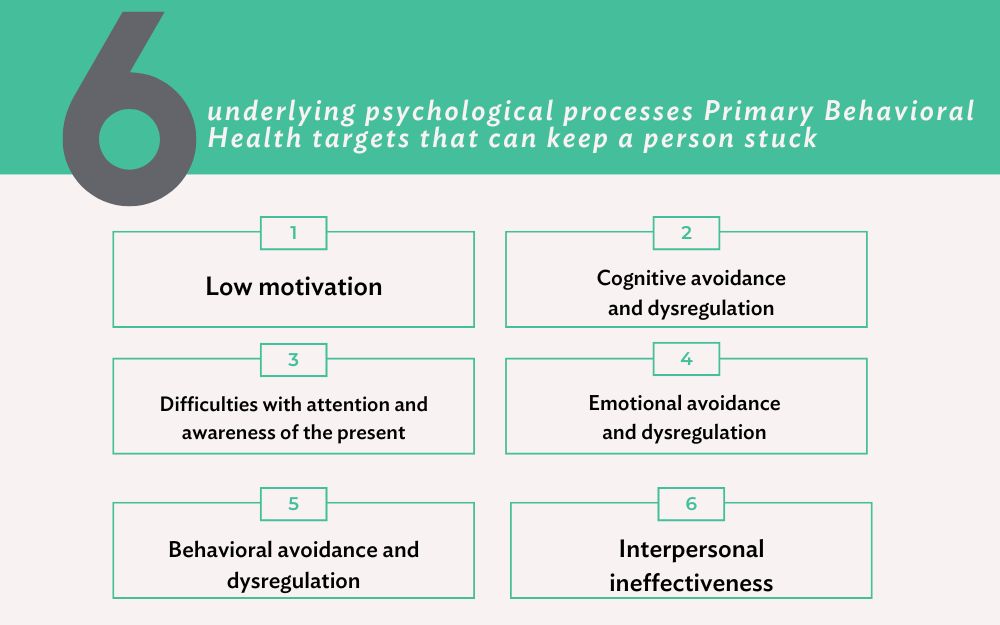
As a leader and innovator in mental health and addiction care for more than a century, Rogers Behavioral Health is using a cutting-edge, evidence-based treatment approach to help reach a broader range of people.