
CBT changes brain function
Despite being highly treatable, about a third of those suffering from anxiety actually seek treatment. For those who do, research shows cognitive behavioral therapy (CBT) is highly successful.
Contact Us • Careers • Refer a Patient • Donate • Blog

Despite being highly treatable, about a third of those suffering from anxiety actually seek treatment. For those who do, research shows cognitive behavioral therapy (CBT) is highly successful.

It’s not uncommon to hear that taking a medication for an opioid use disorder is “trading one addiction for another.” But is this really true? Dr. Ian Powell helps explain the truth about using medication assisted treatment to help those living with opioid use disorder.

As people research options for mental health or addiction treatment, they ultimately want to know one thing: does your treatment work?

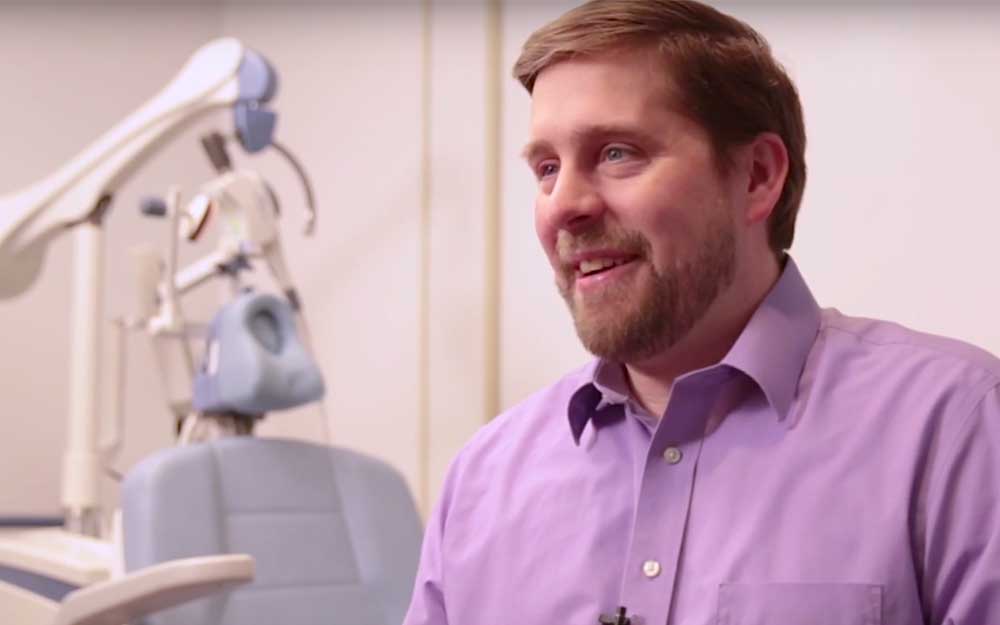
Transcranial magnetic stimulation may be effective where traditional treatment routes have failed to offer relief from depression. Learn more about how it works, how one qualifies for treatment, and what the future of TMS looks like.

As a parent, seeing your child struggling with the expected challenges of childhood and adolescence is hard. Learn about Friend and Family University, an educational program that’s offered to parents of children in treatment at Rogers.

The clinical effectiveness team at Rogers uses regression analysis to compare similar patients undergoing the same treatment, allowing us to determine the best methods for success.

Rogers uses techniques like feared food exposure to help patients overcome anxiety and fear that they associate with certain foods, such as sweets.
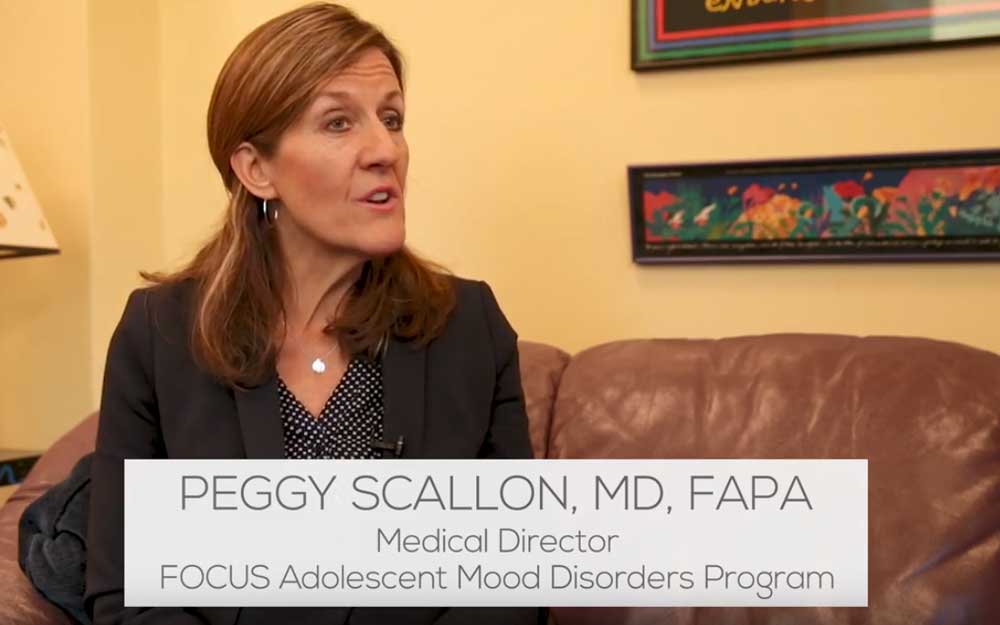
At the 2017 iaedp Symposium, two FOCUS Program staff members earned the top prize in the Imagine Me Beyond What You See sculpture competition.
If you have posttraumatic stress disorder (PTSD), just thinking about the event that’s changed your life and caused so much pain and anxiety is agonizing, but prolonged exposure can help.

Exposure and response prevention (ERP) treatment for obsessive-compulsive disorder (OCD) isn’t easy, especially when you’re a child or teenager. Every day, your treatment team is asking you to face your worst fears and avoid using your repetitive behaviors or rituals to control your anxiety. Because treatment can be difficult, it’s necessary for parents to be actively involved in their child’s care plan and not participate in symptom accommodation.
Give us a call today for an immediate screening.
Not ready to call? Reach out to Rogers online.