

Your relationship between social media and mental health
Social media platforms are now widely used across generations, but ways to address their potential negative impacts aren’t as easily found – at least with mental health treatment plans.
Social media platforms are now widely used across generations, but ways to address their potential negative impacts aren’t as easily found – at least with mental health treatment plans.
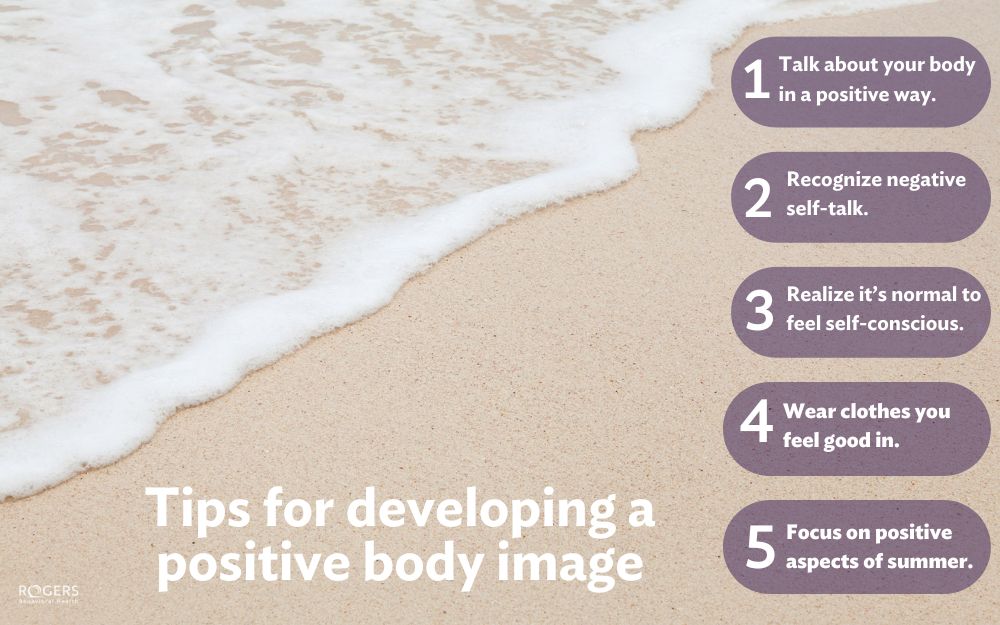
A number of factors can influence a person’s body image. Body dissatisfaction is one of the best-known contributors to the development of eating disorders.

Gretchen tried treatment elsewhere before admitting to Rogers eating disorder inpatient care program and then moving into residential treatment. She says the personalized care she received helped her find her road to recovery.

While students and families are preparing to welcome the carefree days of summer, it’s important to remember mental health challenges don’t take a break over the summer months.
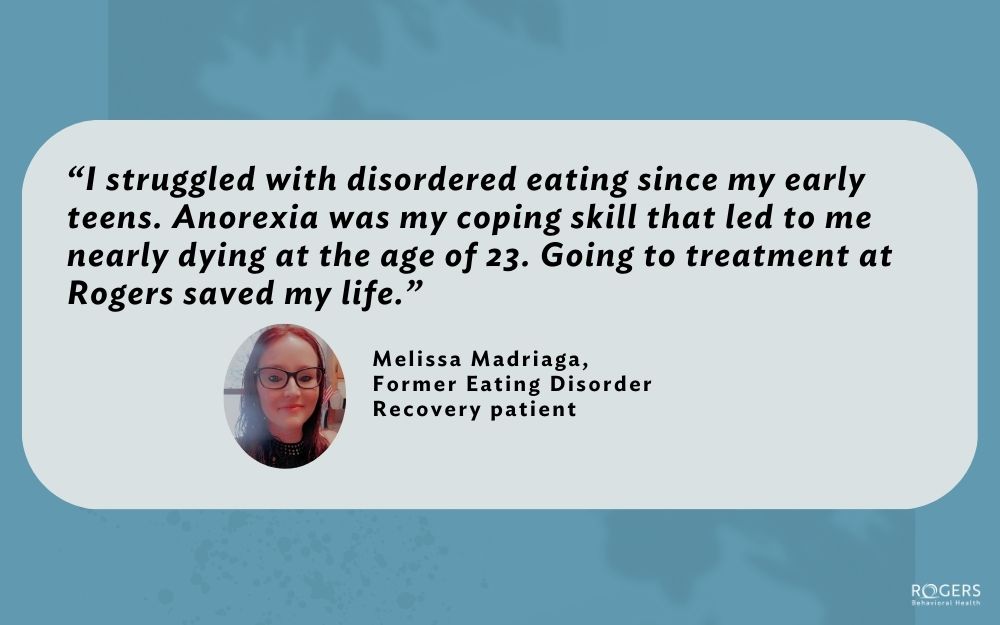
“In treatment I learned so many valuable coping skills and ways to express and manage my feelings and emotions. While treatment was not easy, it was absolutely worth it.”

Diet culture is a set of beliefs that considers weight or weight loss more important than overall health and well-being. Rogers’ experts discuss this culture and how it impacts children and teens.

A major difference between ARFID and other eating disorders is that people with ARFID are not concerned with body image and are typically not worried about changes in weight.

ARFID is a serious eating disorder that many are unaware of. Here are 7 important facts to know about ARFID, including what ARFID is, effects of ARFID, symptoms, and treatment.

Since she was young, Rachel battled with her body image, relationship with food, and depression. She tried traditional outpatient therapy, but no one treated them simultaneously until she started Focus Depression Recovery at Rogers in Tampa.
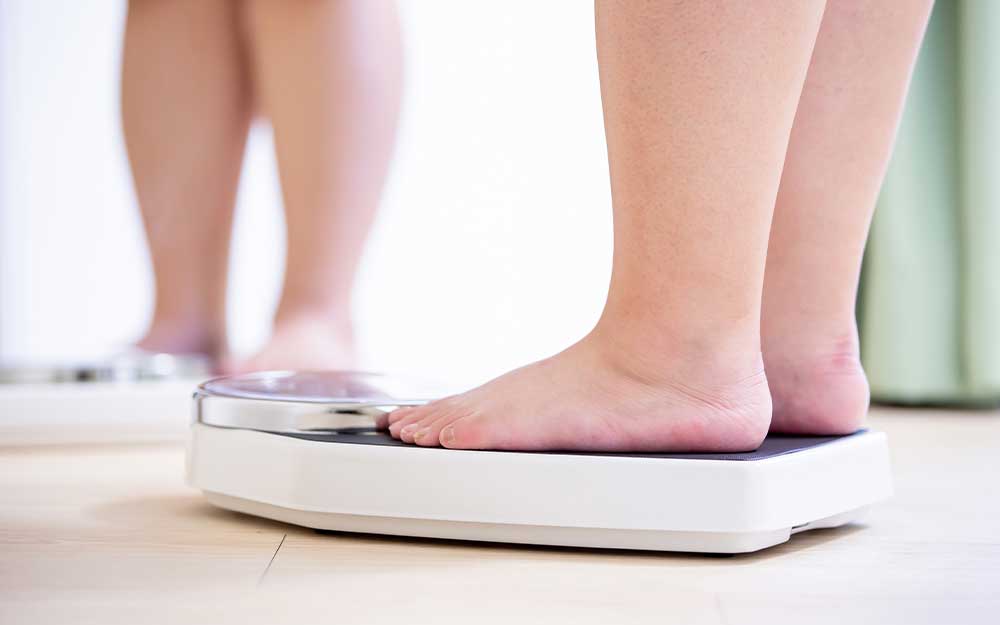
According to the National Eating Disorders Association, there are many myths surrounding eating disorders. One common misconception is that they’re associated with people who have low body weight. In reality, all types of eating disorders occur across a range of body types and the weight spectrum.
