
Tour Rogers’ OCD, Anxiety, and Depression residential care for adolescents
At Rogers’ OCD, Anxiety, and Depression Center, a board-certified psychiatrist leads a multidisciplinary team to provide residential treatment for teens with proven outcomes.
Contact Us • Careers • Refer a Patient • Donate • Blog

At Rogers’ OCD, Anxiety, and Depression Center, a board-certified psychiatrist leads a multidisciplinary team to provide residential treatment for teens with proven outcomes.

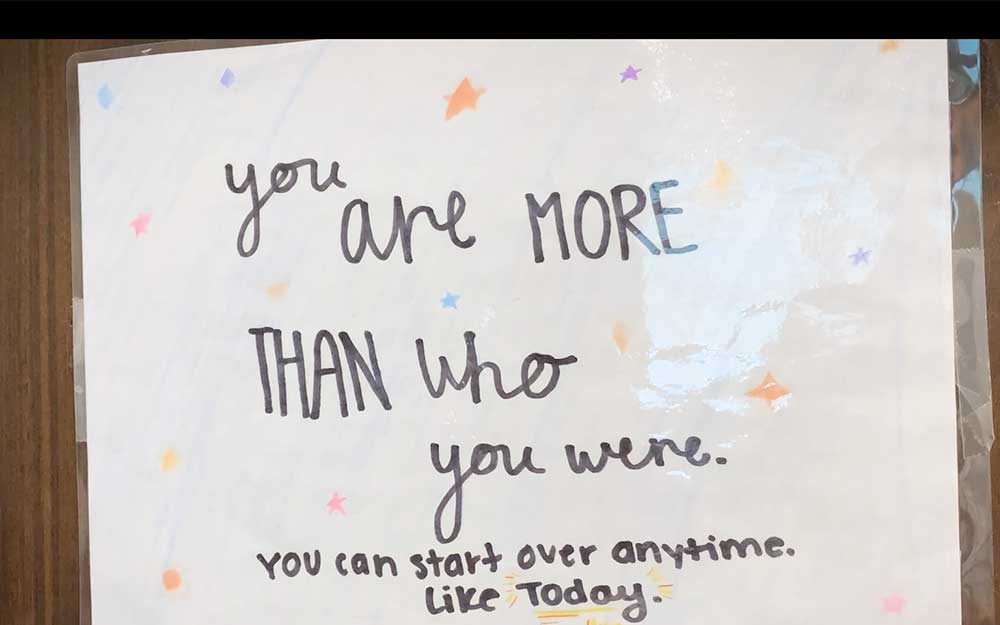
Kendra recalls fearing rejection from others growing up, while at the same time, she was rejecting herself. Learn more about her story and how the team at Rogers helped her gain the tools to overcome the challenges of mental health.

Cristina says she’s struggled with depression since she was a teenager. She was diagnosed in her 20s with persistent depressive disorder, also called dysthymia, and suffered panic attacks. She was diagnosed with bipolar disorder in 2007.

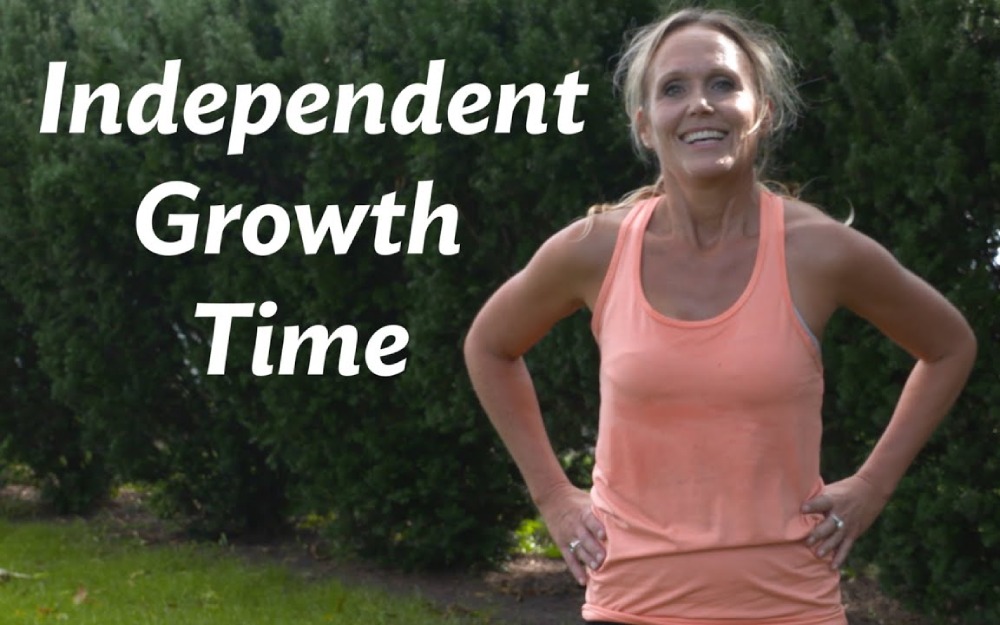
One of the things that depression often takes away from people is their ability to enjoy or look forward to what they used to love doing. In the video above, Stephanie explains how she benefited from Rogers’ skills practice time and was able to find joy again in one of her favorite activities.

Sleep—we spend one-third of our lives doing it, yet what seems like it should be second nature is a struggle for up to one-third of adults.

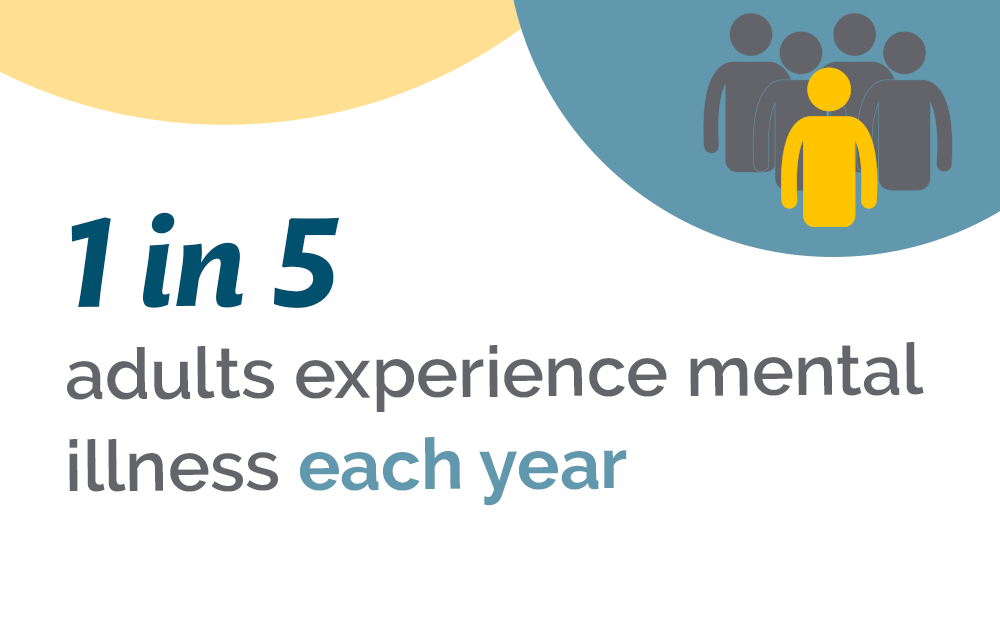
Every May since the mid-1900s, Mental Health Month has served as a time to help spread awareness and reduce stigma surrounding mental health and addiction. Mental Health America has chosen “Back to Basics” as this year’s theme. In this spirit, we’ve put together information to help you understand common mental health conditions, where to find resources, and how to find treatment.

Jane developed an eating disorder as a way to cope with her depression and anxiety. Through treatment at Rogers she was able to gain the tools needed to get her life back.

Take a tour of Rogers’ outpatient clinic and supportive living house in Sheboygan.

Throughout COVID-19, there’s a heightened need for mental health and addiction care. In response, Rogers Behavioral Health began serving patients virtually across the country through Rogers Connect Care — a telehealth treatment option for people who would benefit from specialized partial hospitalization or intensive outpatient levels of care.

If a friend or loved one tells you they’ve been in treatment for mental health or addiction, you may be wondering about the best way to respond. Rogers’ Sue McKenzie Dicks, vice president of healthy culture at Rogers Behavioral Health, shares some common missteps and supportive things to say so your friend or loved one feels validated and understood.
Give us a call today for an immediate screening.
Not ready to call? Reach out to Rogers online.