Menu Close

Terrifying Fears Don’t Always End After Halloween

As children in your community participate in this year’s trick-or-treat, many will shriek with excitement from the scary costumes, ghoulish décor and other Halloween horrors. The day after, the frightening excitement will melt away and children will return to their usual fall time schedules. But for thousands of children with anxiety in the United States, dealing with real fear every day of the year is reality.

Read More »

What is Symptom Accommodation for Pediatric OCD?

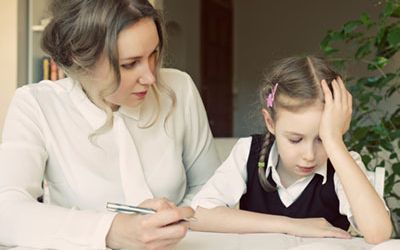
Exposure and response prevention (ERP) treatment for obsessive-compulsive disorder (OCD) isn’t easy, especially when you’re a child or teenager. Every day, your treatment team is asking you to face your worst fears and avoid using your repetitive behaviors or rituals to control your anxiety. Because treatment can be difficult, it’s necessary for parents to be actively involved in their child’s care plan and not participate in symptom accommodation.

Read More »

Care Grants for OCD and Anxiety Treatment

Optimal mental health is critical for overall well-being, but for those struggling with behavioral health challenges, life-changing treatment can be costly. Unfortunately, as with general medical care, insurance doesn’t always cover the total cost of a person’s behavioral health treatment or the length of treatment that may be most beneficial. No one wants to face going without a life-saving medical operation for you or your loved one because of finances. The same is true for your or a loved one’s mental health or addiction care.

Read More »

DSM-5 Offers New Criteria for OCD, PTSD and Anxiety

ADSM-5 OCD, PTSD, Anxiety few of the primary changes in DSM-5 include the reorganization of chapters for better groupings of disorders – including obsessive-compulsive disorder (OCD) and posttraumatic stress disorder (PTSD) – and the framework within those chapters that recognizes age-related aspects. This is important because it reflects the nature of some disorders within a patient’s lifespan. DSM-5 lists diagnoses that are most applicable to infancy and childhood first, followed by those that are more common to adolescence and early adulthood, ending with those that are often diagnosed later in life.

Read More »

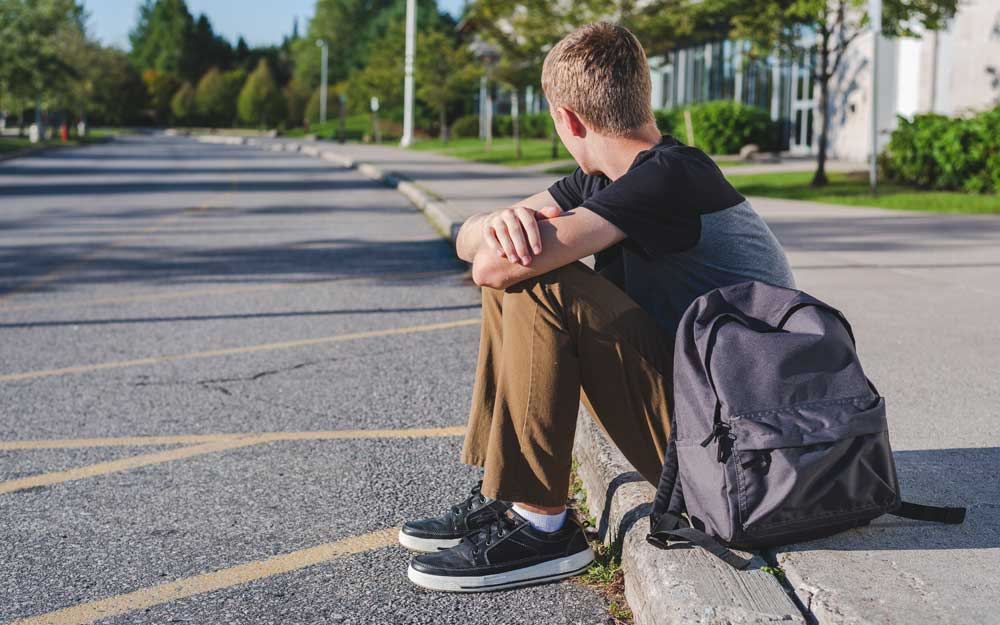
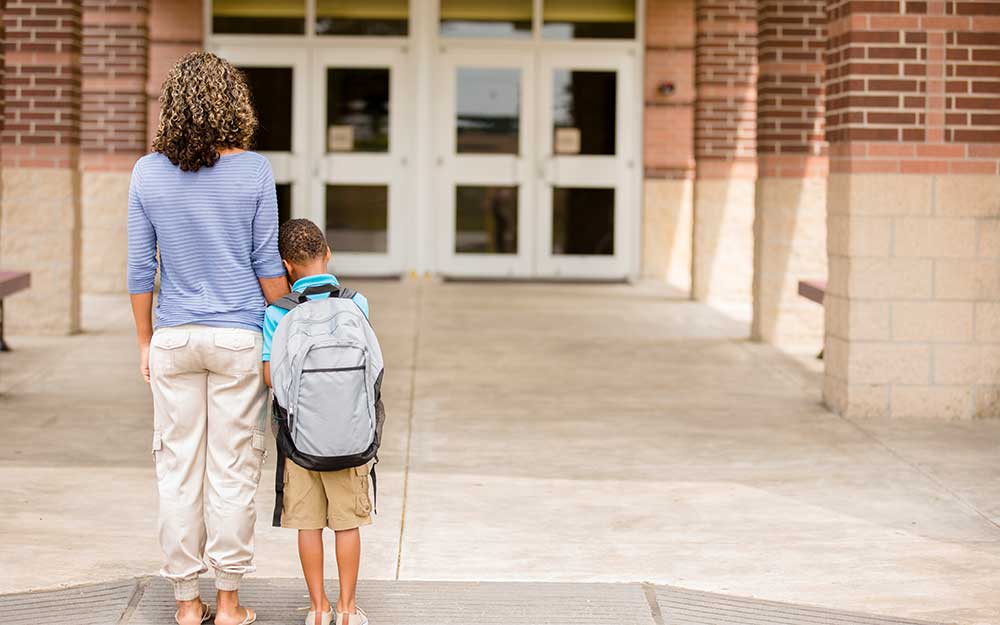
School refusal is common after holiday breaks

Holiday break is supposed to be just that – a chance for kids to get break from homework and tests. Children are expected to return to school, rejuvenated, ready to learn more. But for some kids, this simply isn’t the case.

For children affected by mental illness, these transitions can be even more difficult. For children with ADHD, it becomes an issue of having to concentrate even harder in order to keep up with new material. For the child with social anxiety, the idea of returning to school can create resistance. For many other children, holiday breaks translate into relief from bullying or social situations where friendships are difficult or nonexistent. Returning to this environment is not something these children look forward to.

Read More »