
What is social anxiety?
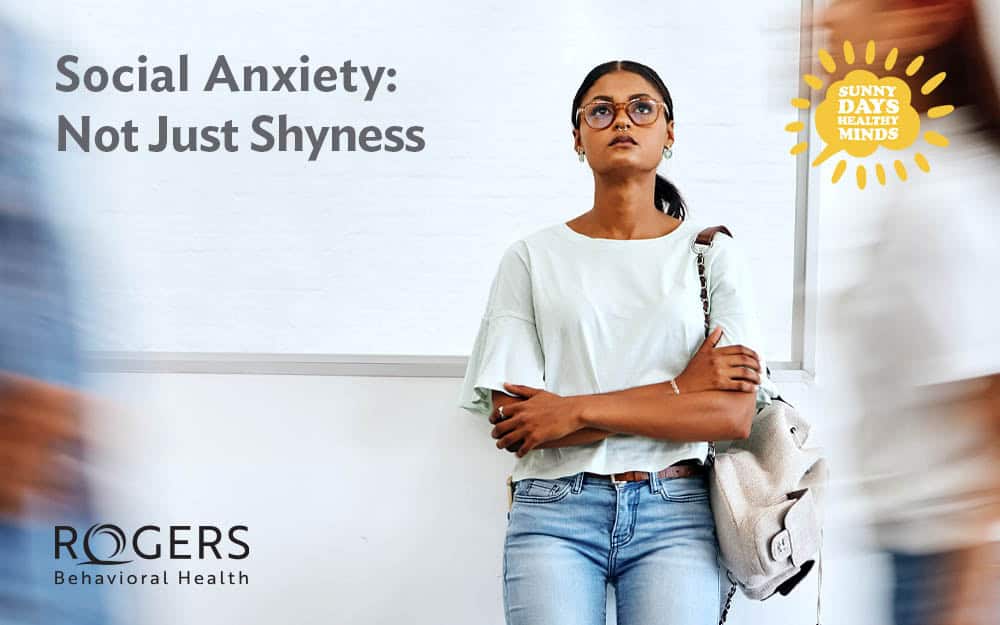
Social anxiety is not the same as being a little shy or introverted. It involves an intense fear of social situations, often perceived as risky or threatening, leading to avoidance. This fear is usually bigger than the actual risk, or how others would perceive it. The core anxiety is about being judged, ridiculed, or embarrassed. People with social anxiety fear if something “bad” happens, the consequences will be long-lasting and unforgettable. This creates a lot of pressure to succeed in social situations.
Social anxiety can begin at any age, though it’s most likely to start during childhood and adolescence. It’s often influenced by a combination of a person’s environment, experiences, and the feedback they’ve received. While many people experience embarrassing moments in social situations that stick with them, this doesn’t mean they’ll develop social anxiety.
Keep in mind people have different social preferences. Some would rather be alone, have a small group of friends, or not speak in front of large groups. If they’re not feeling a lot of anxiety or it’s not interfering with daily living, it isn’t necessarily a problem. Many people simply don’t place as much value on social interactions as others and aren’t bothered by avoiding them. Social anxiety, however, affects those who want to engage in these situations but feel unable to because the fear, intimidation, or threat of failure feels overwhelming.
Social anxiety symptoms include:
- Patterns of avoidance
- High distress
- Interference with valued aspects of life
How does social anxiety feel?
Besides feeling fear, people with social anxiety can experience physical symptoms including:
- Racing heart
- Muscle tenseness
- Pit in the stomach
- Sweating
- Trembling/stuttering
- Uncharacteristic breathing
A person’s fight, flight, or freeze response is activated by fear, causing their system to go into overdrive, like a gazelle on the plains of Africa detecting a predator nearby. Social situations feel threatening to them, and their bodies respond as if facing actual danger.
Do most people have social anxiety, and can it ever be helpful?
Yes, most people feel some social anxiety in certain situations, like meeting new people or talking in front of groups. The anxiety can be helpful when it makes us more aware and prepared. For example, when we want to make a good first impression or give a successful presentation, feeling anxious can motivate us to try our best and focus on how we present ourselves.
What are strategies for managing social anxiety?
Four strategies for managing social anxiety are:
- Be aware of your anxiety, but don’t use it to judge the riskiness or threat of a social situation.
A person is likely anxious because they don’t want the situation to go poorly. That’s okay, and quite normal.
- Try not to practice avoidance.
Small avoidances can mount up over time and become hard to challenge later. Find situations where you can challenge yourself to engage in a similar setting to the one you’re anxious about, even if it’s just briefly to start. You learn and build confidence by doing things that are difficult at first.
- Use breathing techniques to reduce the anxiety from overwhelming to a manageable level.
There are many good techniques available. At Rogers, we teach paced breathing. Inhale through your nose for three seconds, pause, then exhale through your nose for three seconds. Repeat for up to ten minutes, if needed. Stop when you’re no longer overwhelmed with anxiety. Remember, feeling some anxiety is normal, especially if the situation is important to you.
- Increase awareness of your thoughts.
Are you focusing on negative outcomes? Are you giving equal room for thoughts that the situation could go just fine or even go well? Try to talk with yourself as if you were giving advice to a friend.
When should a person be concerned about social anxiety?
I would be concerned about social anxiety when there is excessive distress or it’s interfering with a person’s life. If they experience intense anxiety, dread, and physical reactions to social situations, they may avoid these altogether or feel so overwhelmed that they struggle to endure them for any length of time.
How can a person with social anxiety benefit from mental health treatment?
Often a mental health professional has guided other people through similar struggles and can provide an objective sense about what typical behavior looks like.
I always recommend to the clinicians I work with to first assess a person’s social skills. Sometimes people have trouble in social situations because they aren’t aware of norms regarding things like eye contact, tone of voice, personal space, starting and ending conversations, and disagreeing politely.
Mental health professionals help people:
- Identify areas where they can make changes
- Develop skills to manage anxiety and uncertainty more effectively
- Practice through exposures (structured situations that address fears)
People with social anxiety believe they lack the ability to succeed socially or that the risk of failure is too high and there’s going to be a disaster. Through gradual exposures, we help them build confidence. For example, we might begin by starting a conversation with an unfamiliar person, discussing a sensitive topic, or giving and receiving criticism or compliments. Over time, and with repeated opportunities or exposures, a person’s levels of anxiety and distress will decrease. They might not know if they made a true connection or if someone liked them, but they can observe whether the feared outcomes—like someone running away, calling them names, or laughing at them—actually happen or not.
Clinicians may challenge them further with social missteps, like asking an odd question, saying the wrong thing, or giving some moderately harsh criticism. What happens? Does the world stop? Do people point at them and say they should feel shame and embarrassment? Or do people tend to move on? Maybe the person’s assumptions about risk in a social situation weren’t accurate. That can be a powerful lesson to learn.
By setting parameters and using objective measures, clinicians can track progress, provide valuable feedback, and help people build insight, confidence, and skills.
By Stephan Siwiec, PhD, psychologist, clinical supervisor, OCD and Anxiety residential care for adults at Rogers Behavioral Health
Rogers offers social anxiety treatment
We understand life can be challenging when living with anxiety. Our compassionate team of experts has helped children, teens, and adults manage their anxiety and end the cycle of worry to enjoy full lives.
To learn more about anxiety and help determine if you may need support in managing it, click here for our anxiety quiz.
When you’re ready, we’re here to help. To get started, call 833-308-5887 for a free, confidential screening.
Part of our summer series, Sunny Days, Healthy Minds
Looking for more tips? Explore additional resources in our Sunny Days, Healthy Minds series to support mental well-being all summer long. Click here to learn more.