
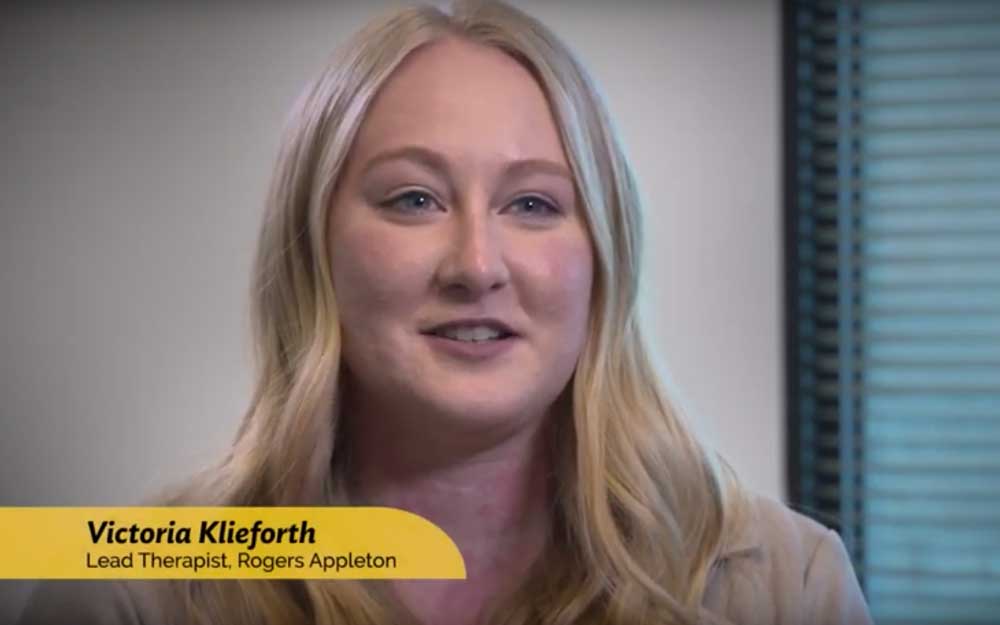
Therapists at Rogers: an integral part of our patients’ recovery
Hear from two Rogers team members about the role therapists play and how they’re empowered to rise above in their career in psychiatric care.
Hear from two Rogers team members about the role therapists play and how they’re empowered to rise above in their career in psychiatric care.
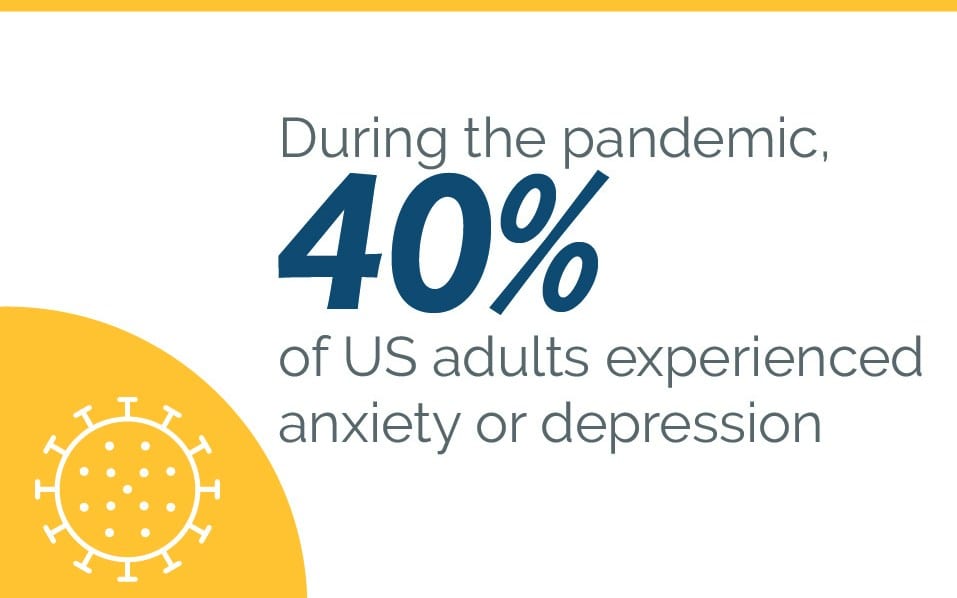
As we enter our second year of the COVID-19 pandemic, many of us are experiencing heightened levels of stress and anxiety, depression, and other mental health concerns. But due to stigma, not everyone is comfortable reaching out for treatment. Help us spread awareness of mental health this May and let everyone know that there’s nothing wrong with needing help.

As we continue to learn more about COVID, a recent study is shedding light on the mental health and addiction challenges that can arise in patients recovering from the illness.

Although it has become trendy to say, “I’m OCD” when describing yourself as being organized or precise, obsessive-compulsive disorder (OCD) is a serious mental health disorder.

Obsessive compulsive disorder (OCD) is a mental health disorder in which people struggle with obsessions and compulsions. Kathryn says the treatment and support she received at Rogers for OCD and anxiety changed her life.

Adrienne discusses her path to Rogers’ Herrington Center for Addiction Recovery in Oconomowoc and how she’s been able to put her sobriety first and reach her 7-year sobriety milestone.

When a loved one is struggling with mental health, navigating the road to recovery can be challenging, especially if effective treatment requires travel away from home.

When young patients receive mental health or addiction care at Rogers, a key part of care focuses on teaching valuable strategies to help them keep up with school while in treatment and in the future.

Though many are familiar with the dangers of anorexia and bulimia, only recently has the term diabulimia entered mainstream conversations about eating disorders.

Mental illness isn’t a choice and it’s not a weakness. Jerry Halverson, MD, DFAPA, chief medical officer, emphasizes those points when he provides overviews of mental illness and the challenges it imposes on people.