Menu Close

Telepsychiatry Increases Access to Care

When most people think of seeing a psychiatrist or psychologist, they picture talking face-to-face with someone. That is getting harder with a national shortage of psychiatrists. However, more providers of behavioral health—and their patients—are turning to and accepting an alternative: telepsychiatry.

Read More »

Making Positive Change Last this New Year

Statistics show that this time of the year, 45 percent of us are going to make a New Year’s resolution, but of that percentage, only 26 percent will maintain our resolution past the first six months. It seems as though the odds are stacked against most of us when it comes to changing our ways and making major life changes, but Sue McKenzie, co-director of Rogers InHealth (link is external), insists that achieving lasting change is possible not only for New Year’s resolutions, but for achieving mental health as well.

Read More »

Experiential Therapy Takes Alternative Route to Recovery

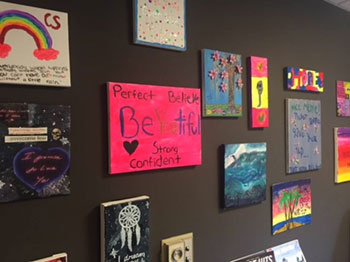
Experiential therapy is a hands-on experience-based approach that assists in healing and overcoming mental or emotional challenges. At Rogers, there’s a variety of experiential therapy approaches available to patients, including art and music therapy, recreational therapy, yoga, horticultural therapy and adventure therapy—which uses challenge courses at various campuses.

Read More »

Miller Helps Draft Policy on Marijuana and More on a National Stage

Michael M. Miller, MD, medical director of the Herrington Recovery Center at Rogers Memorial Hospital and attending physician for the adult dual diagnosis partial hospitalization program at Rogers’ new Silver Lake Outpatient Center in Oconomowoc, has served a leadership role in the research and writing process of the American Society of Addiction Medicine (link is external)’s (ASAM) new policy (link is external)statement on marijuana, cannabinoids and legalization. The statement was written to inform Congress, the media, the general public and especially physicians and other healthcare professionals about cannabis and cannabis products and the health impact of expanded access to these substances.

Read More »

Nashotah: The First Year of Exploring Change

Now approaching its first anniversary of providing comprehensive residential programming to adolescent girls, Nashotah has proven to be a valuable service to patients from all across the United States who are ready to make real change. Serving about 50 patients in its opening year, the program helps young women improve their personal safety and quality of life by validating their emotions which may lead to dangerous behaviors and teaching skills to help them express their genuine feelings. While in treatment, the safety risks associated with emotional dyregulation are decreased and preventative measures are used to to help many of the girls who are at risk of developing personality disorders.

Read More »

Rogers Memorial Hospital Awarded BizTimes’ Large Nonprofit of the Year

After securing one of three finalist positions for the 2015 BizTimes (link is external) Large Nonprofit Organization of the Year, Rogers Memorial Hospital was awarded this honor at the BizTimes Nonprofit Excellence Awards (link is external) at Potowatomi Hotel and Casino (link is external) in Milwaukee. The award—which is granted to a small and large nonprofit organization in southeastern Wisconsin—acknowledges the winner’s exemplary dedication to their mission and their community’s well-being, exceptional structural sustainability and teamwork, as well as superior organizational skills in management and operations.

Read More »

Orthorexia Nervosa: Taking Clean-Eating to an Obsessive Level

In the past few years, it seems as though everyone is “eating green” or only “all-organic” food. Although there are many health benefits to this new trend towards “clean-eating,” there is a point when the practice can take over a person’s life and become damaging to their behavioral health. Related to eating disorders, orthorexia nervosa is a condition in which a person has obsessive behaviors, which may include: self-induced dietetic limitations and preparing and eating food in a ritual-like manner, all to achieve and maintain a “pure” diet.

Read More »

International OCD Awareness Week: An Opportunity to Help Others

October 11-17 is International OCD Awareness Week, an observance founded by the International OCD Foundation (link is external) (IOCDF). Now in its sixth year, International OCD Awareness Week was created to improve public understanding of Obsessive-Compulsive Disorder (OCD), and increase timely access to care and behavioral health treatment.

Read More »

Mental Health Stigma: Like Parent, Like Child

Starting in infancy, children mimic their parents’ actions, speech and beliefs, whether good or bad. Studies show that the same goes for parents’ stigma about mental health. Parents’ attitudes toward seeking mental health treatment are a factor in their child’s intentions to pursue psychological help (Vogel, et al., 2009). In other words, if you, as a parent, have a negative view about people with mental health concerns, your child is less likely to speak up about their own mental health. Failing to address a child’s mental health may be extremely harmful and the affects may carry on into adulthood.

Read More »