

5 reasons why Rogers is the leader in mental health and addiction treatment
Dr. LeNoue shares five reasons why Rogers’ mental health and addiction recovery care is unique.
Dr. LeNoue shares five reasons why Rogers’ mental health and addiction recovery care is unique.

Research shows that family involvement plays a crucial role in treatment for mental health and addiction. To address this need, Rogers recently opened the Ladish Co. Foundation Center on the main campus in Oconomowoc.

Much like with other medical and mental health conditions, medication can be a useful tool when used alongside therapy in the path toward recovery. However, some tend to have a negative view of some of these medications. Sean LeNoue, MD, associate medical director, helps cut through the stigma around recovery medications and explains what they are and how they work.

For the past two decades, Rogers has been leading the behavioral health field in tracking, analyzing, and leveraging outcomes data to develop gold standard patient care.
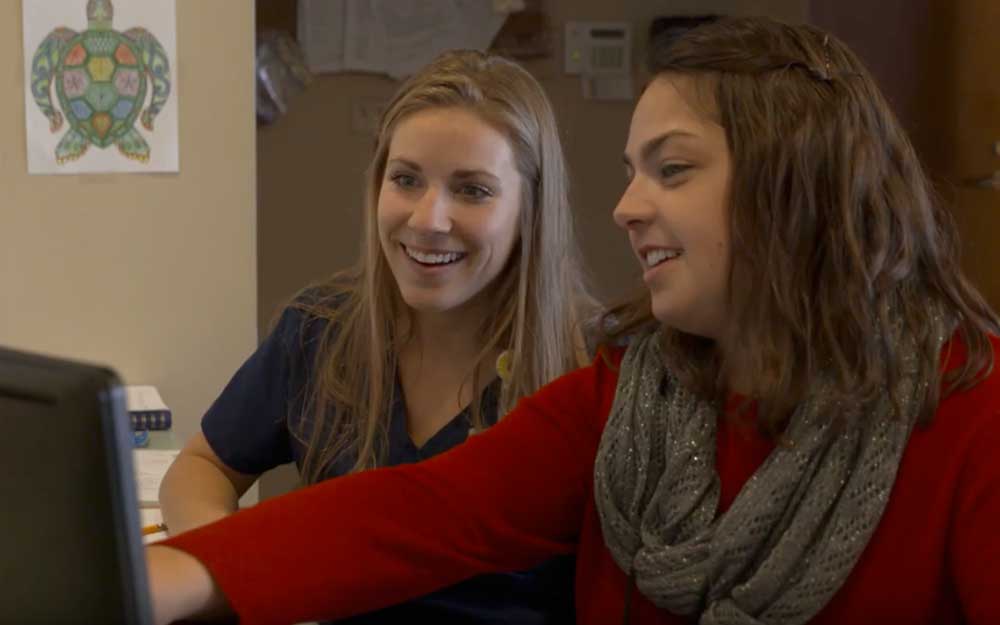
Whether it’s inpatient, residential, partial hospitalization, or intensive outpatient care, nurses play a crucial role in our mission of providing evidence-based mental health and addiction treatment that transforms lives.

Besides the medal count, conversations about mental health took center stage during the 2020 Olympics Games after Simone Biles—the most-decorated American gymnast of all time—finished with a bronze medal after withdrawing from the team final and individual all-around gymnastics competition. Simone said she needed to focus on her mental well-being.
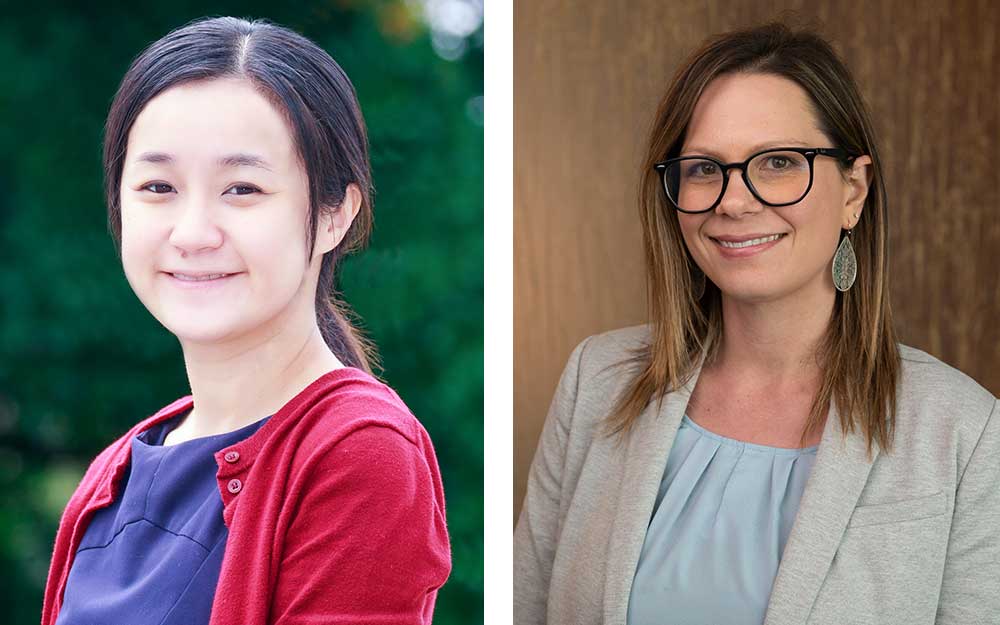
Dr. Leonard and Dr. Tan sat down for a live Q&A on Facebook about signs and symptoms of depression, and how evidence-based treatment can help.
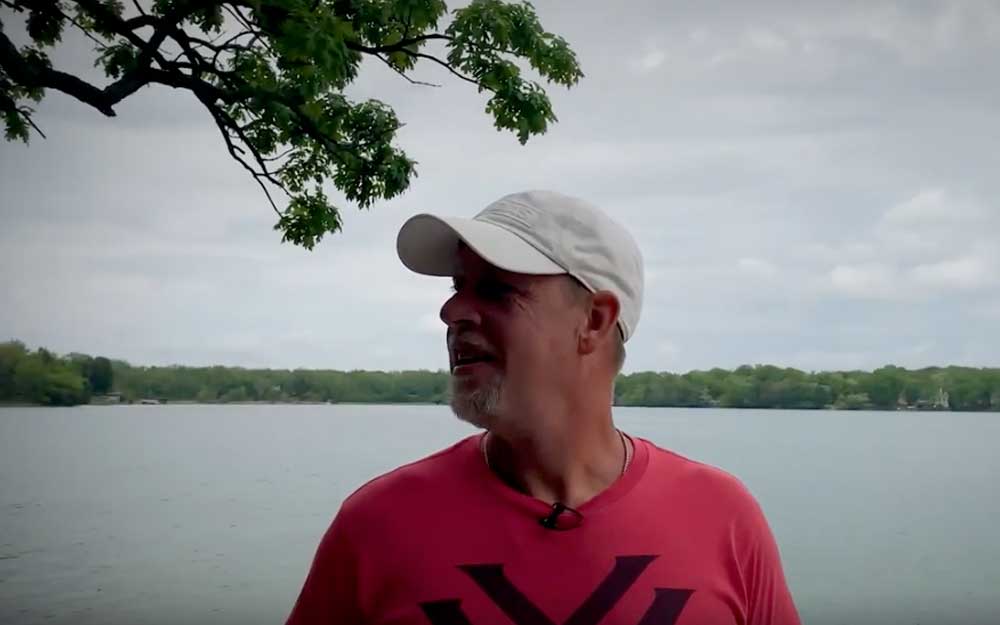
Brad says he struggled with alcohol and drug use throughout most of his teen and adult years and was always sick. Then one day, he realized how sad he was.
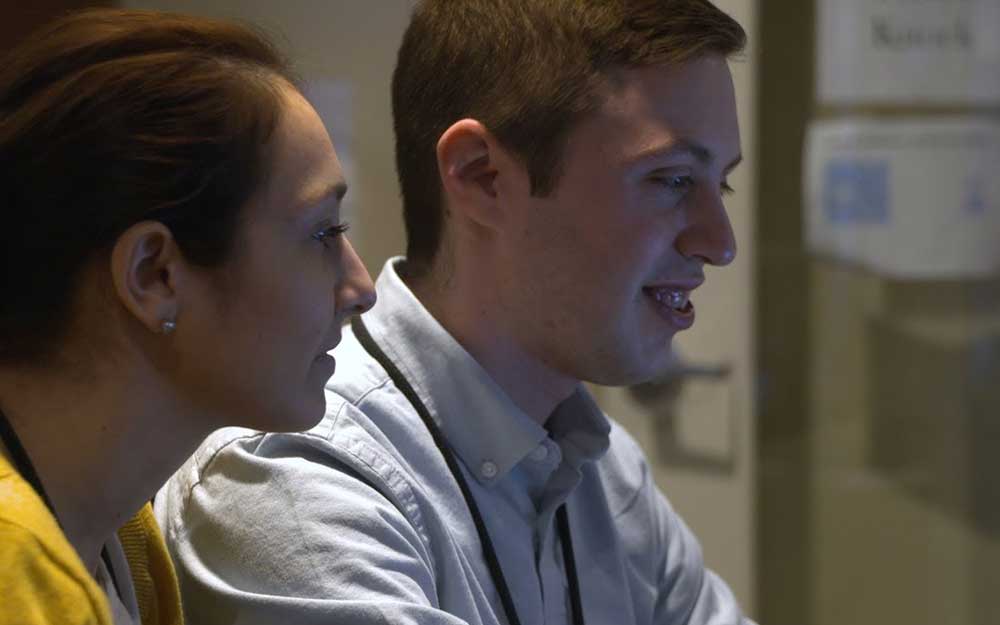
Rogers’ residential care has been helping people of all ages and backgrounds rise above their mental health and addiction challenges for more than a century. Residential care specialists interact with patients every day and play an important role on the multidisciplinary treatment team.
As a parent or caretaker, how can you best support a child with autism spectrum disorder (ASD), especially if they are experiencing mental health challenges? One of our experts shares four tips to help children succeed.