
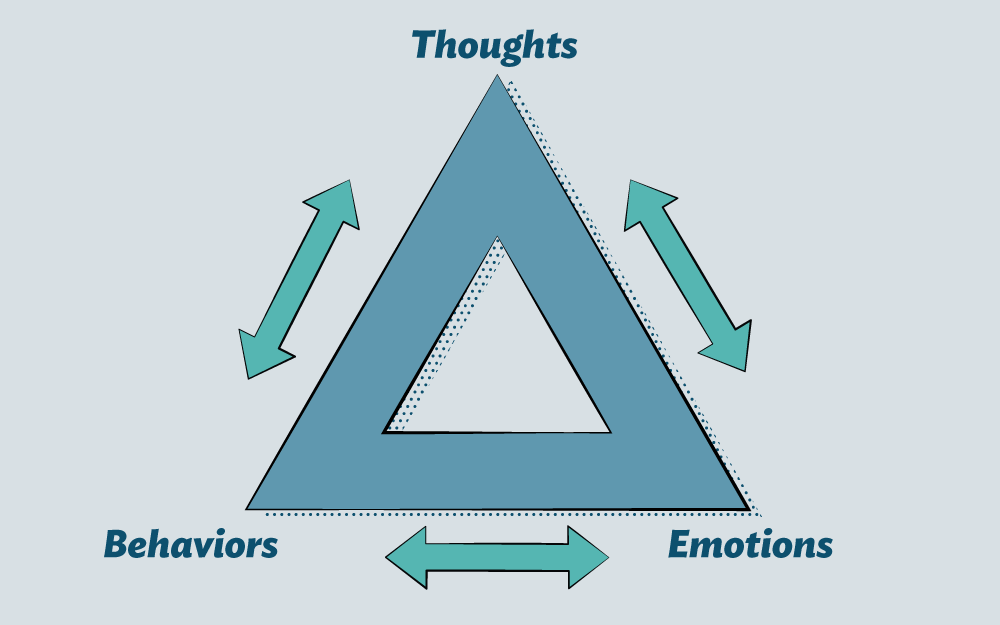
Understanding CBT and DBT and how Rogers uses these evidence-based therapies
Cognitive behavioral therapy (CBT) and dialectical behavior therapy (DBT) are key parts of Rogers’ evidence-based treatment approach.
Cognitive behavioral therapy (CBT) and dialectical behavior therapy (DBT) are key parts of Rogers’ evidence-based treatment approach.
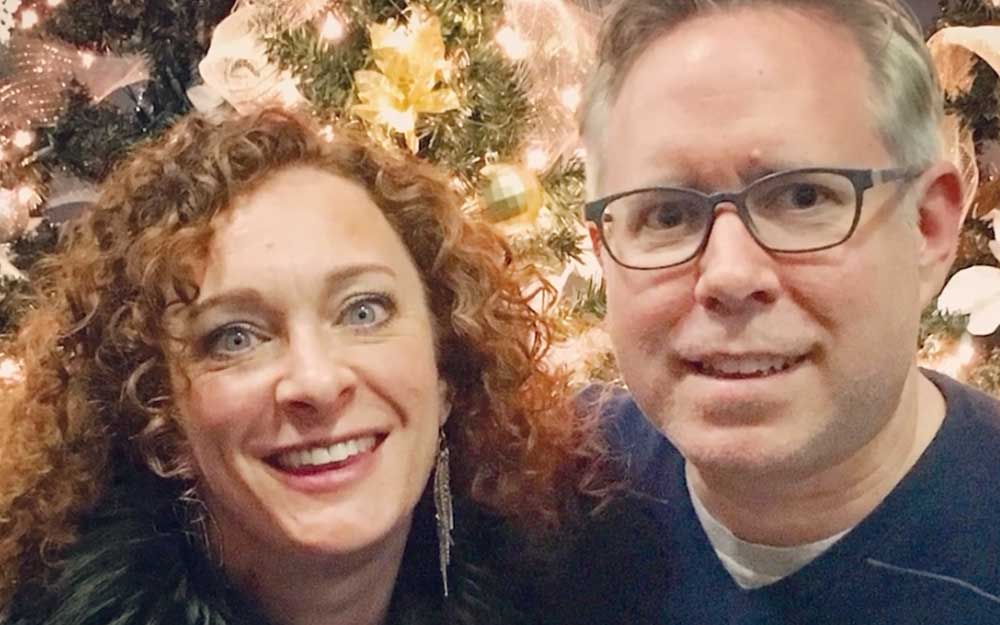
When Steve began to experience anxiety and depression, a neighbor recommended he reach out to Rogers. That was just the beginning of what Steve now calls his “comeback story.”
When someone is struggling with an addiction or mental health challenge, it can be difficult to know what level of care is needed. Rogers Behavioral Health offers inpatient, residential, and two levels of intensive outpatient care.
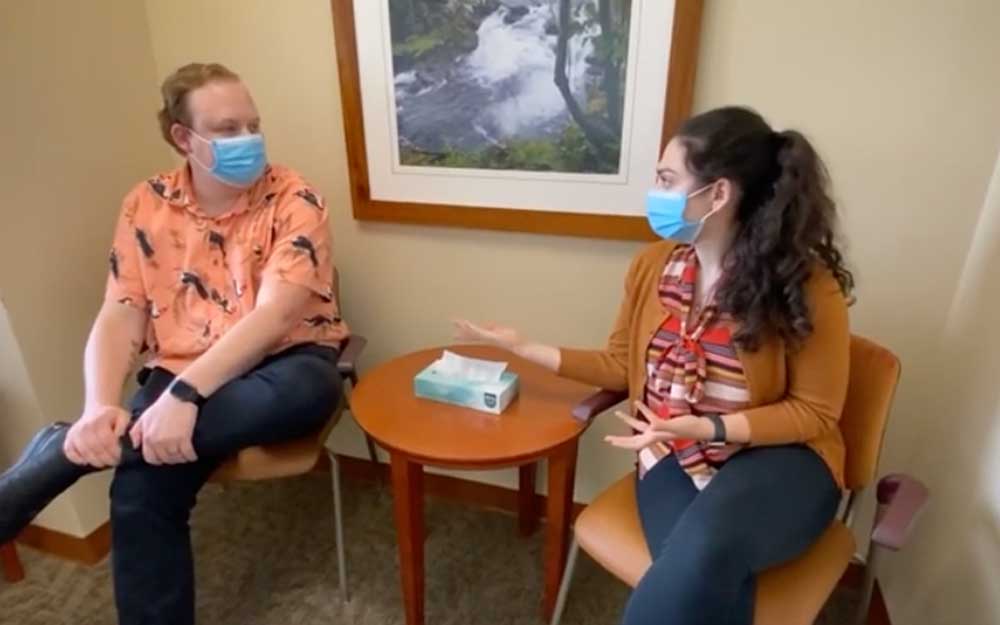
As a therapist at Rogers, you’re an integral part of our mission of helping people reach their full potential for health and well-being. It’s what we’ve been doing for more than 115 years. Our multidisciplinary teams work together to provide highly effective treatment with proven outcomes.

According to the National Eating Disorders Association, there are many myths surrounding eating disorders. One common misconception is that they’re associated with people who have low body weight. In reality, all types of eating disorders occur across a range of body types and the weight spectrum.
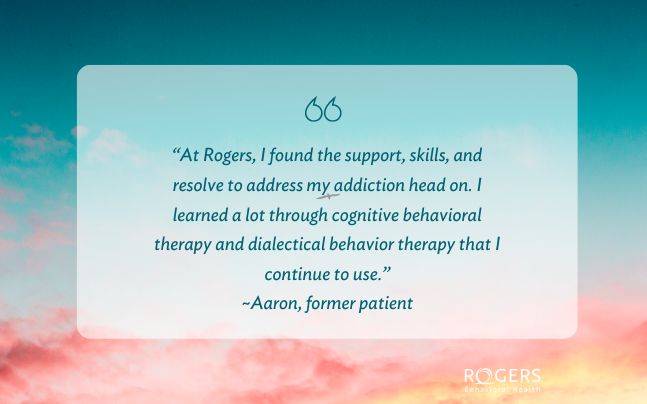
Thank you, Aaron, for sharing the story of your journey to enjoying life again. Aaron received treatment for addiction through Rogers’ Mental Health and Addiction Recovery intensive outpatient care (IOP) in West Allis.
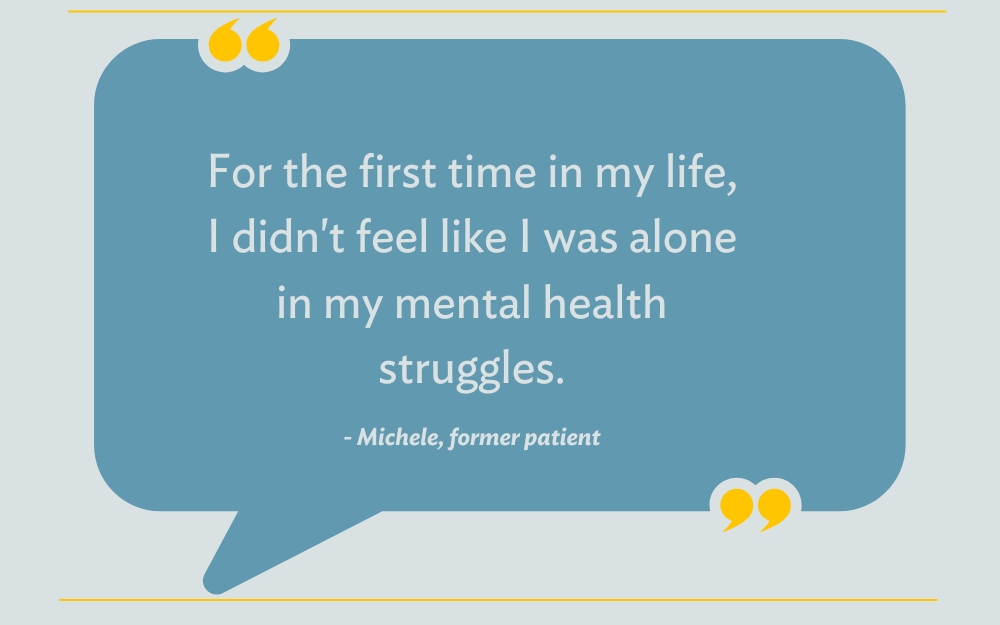
Taking part in telehealth treatment through Rogers Connect can be a challenging prospect. Thank you to former patient Michele for sharing her experience with telehealth through Rogers’ St. Paul clinic and how it changed her life.
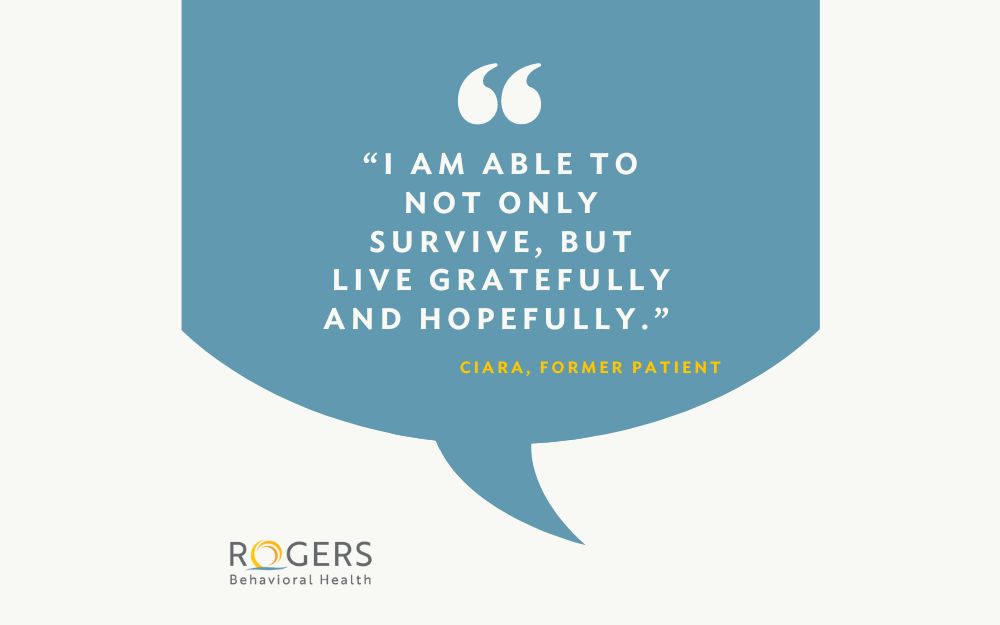
Thank you, Ciara, for sharing your road to recovery at Rogers. Ciara received treatment for depression in Rogers’ Focus Depression Recovery Adult residential care in Oconomowoc, and our partial hospitalization (PHP) and intensive outpatient (IOP) levels of care in Appleton.

At Rogers Behavioral Health, a multidisciplinary team of experts guides your care. Led by a board-certified psychiatrist, therapists, behavior specialists, and others, the team works together to provide evidence-based therapy with proven outcomes.
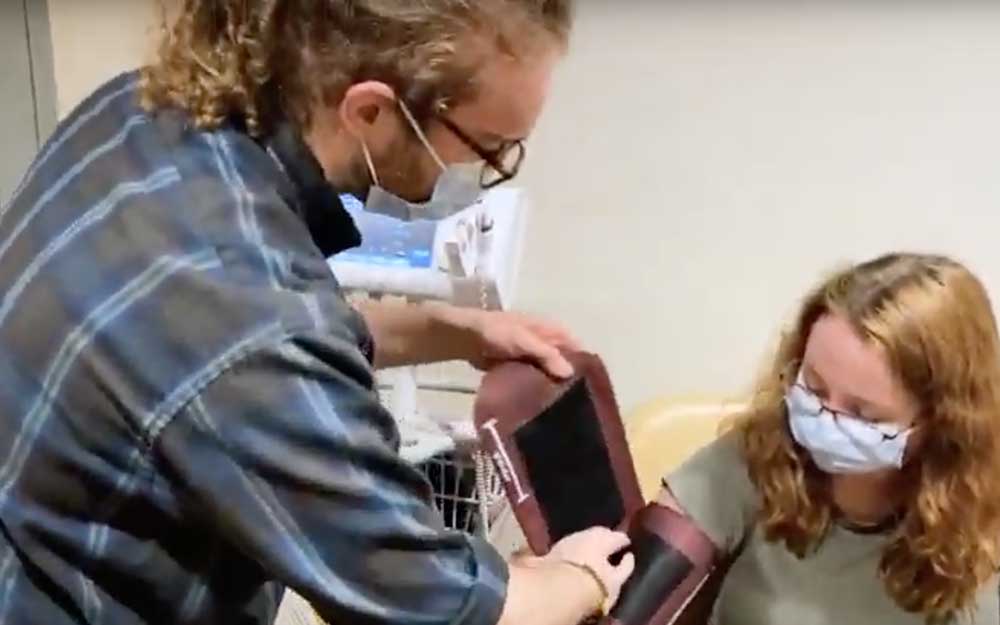
At Rogers Behavioral Health, residential care specialists (RCSs) are an integral part of the treatment team, working one-on-one with patients to help them develop new skills so they can rise above their mental health challenges. As an RCS, you have the opportunity to grow and progress in your mental health career.