Menu Close

International OCD Awareness Week: An Opportunity to Help Others

October 11-17 is International OCD Awareness Week, an observance founded by the International OCD Foundation (link is external) (IOCDF). Now in its sixth year, International OCD Awareness Week was created to improve public understanding of Obsessive-Compulsive Disorder (OCD), and increase timely access to care and behavioral health treatment.

Read More »

First OCD-Wisconsin Walk Deemed Successful

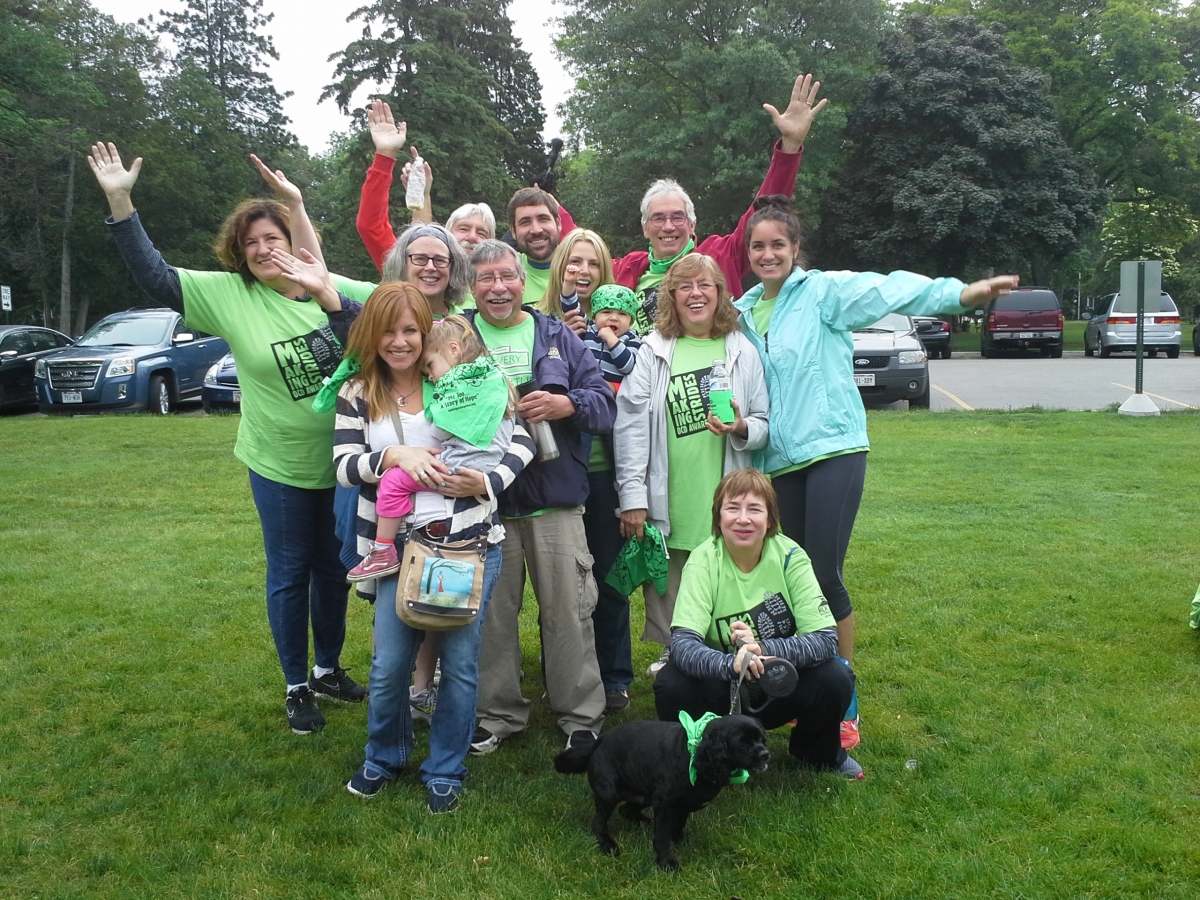
The first OCD-Wisconsin Walk was held Saturday, June 13th. The two-mile walk around Fowler Park in Oconomowoc, WI was organized by OCD-Wisconsin (link is external), an affiliate of the International Obsessive Compulsive Disorder Foundation (IOCDF). Rogers Memorial Hospital was a major sponsor for the event. The goal of the walk was to raise awareness for Obsessive Compulsive Disorder (OCD).

Read More »

DSM-5 Offers New Criteria for OCD, PTSD and Anxiety

ADSM-5 OCD, PTSD, Anxiety few of the primary changes in DSM-5 include the reorganization of chapters for better groupings of disorders – including obsessive-compulsive disorder (OCD) and posttraumatic stress disorder (PTSD) – and the framework within those chapters that recognizes age-related aspects. This is important because it reflects the nature of some disorders within a patient’s lifespan. DSM-5 lists diagnoses that are most applicable to infancy and childhood first, followed by those that are more common to adolescence and early adulthood, ending with those that are often diagnosed later in life.

Read More »

Does My Child Have OCD? When to Seek Help

Obsessive-compulsive disorder (OCD) is characterized by obsessions or compulsions leading to distress, thereby interfering with overall functioning. Although a diagnosis of OCD only requires the presence of obsessions or compulsions, the majority of children usually experience both. OCD can appear any time between preschool and adulthood, but most commonly surfaces between ages 8 and 12 or between the late teens and adulthood. It is estimated that approximately 1 in 200 children and adolescents has OCD.

Read More »

School refusal is common after holiday breaks

Holiday break is supposed to be just that – a chance for kids to get break from homework and tests. Children are expected to return to school, rejuvenated, ready to learn more. But for some kids, this simply isn’t the case.

For children affected by mental illness, these transitions can be even more difficult. For children with ADHD, it becomes an issue of having to concentrate even harder in order to keep up with new material. For the child with social anxiety, the idea of returning to school can create resistance. For many other children, holiday breaks translate into relief from bullying or social situations where friendships are difficult or nonexistent. Returning to this environment is not something these children look forward to.

Read More »