
Workplace burnout: Building awareness and prevention
High levels of workplace stress can lead to burnout, impacting not only the individual employee, but also colleagues, customers, and the company as a whole. Rogers’ experts share their insights.
High levels of workplace stress can lead to burnout, impacting not only the individual employee, but also colleagues, customers, and the company as a whole. Rogers’ experts share their insights.

While anxiety and other mental health challenges may be an obvious battle during the school year, parents and caregivers may think these same mental health challenges will ease with the slower pace of the summer months.

For some college students, the summer months can present unique challenges to their mental health, while for others, it can be the perfect time to address struggles they faced during the school year.
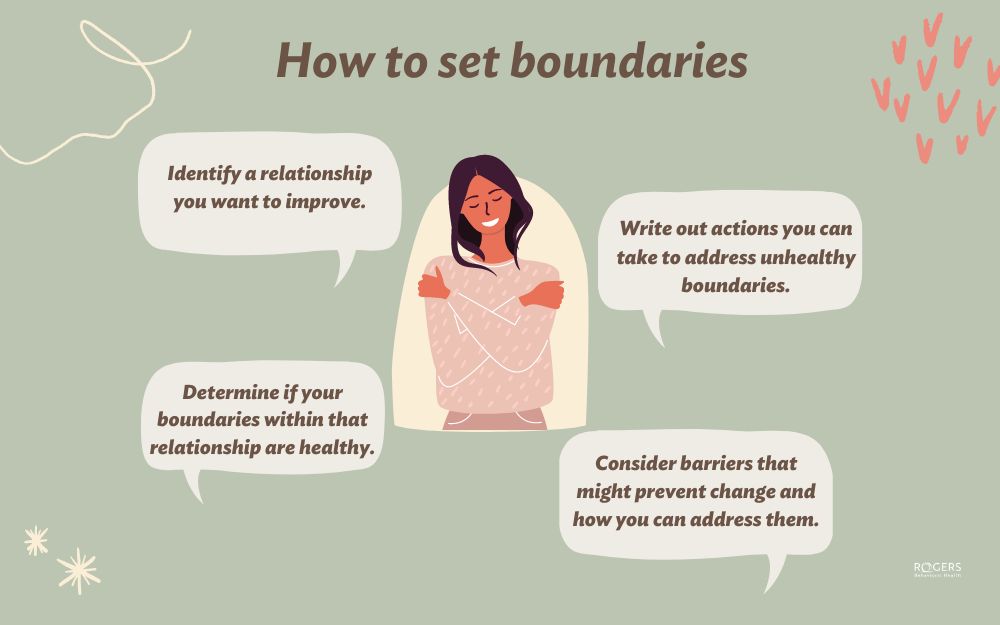
Boundaries are the invisible lines that separate us from everyone else. They can be physical, spiritual, emotional, intellectual, material, financial, or time-based.

With the changing seasons comes the winding down of another school year. Before enjoying the slower pace of summer, students are experiencing the stress of completing final projects and exams, which can add to already heightened levels of anxiety and other mental health challenges.
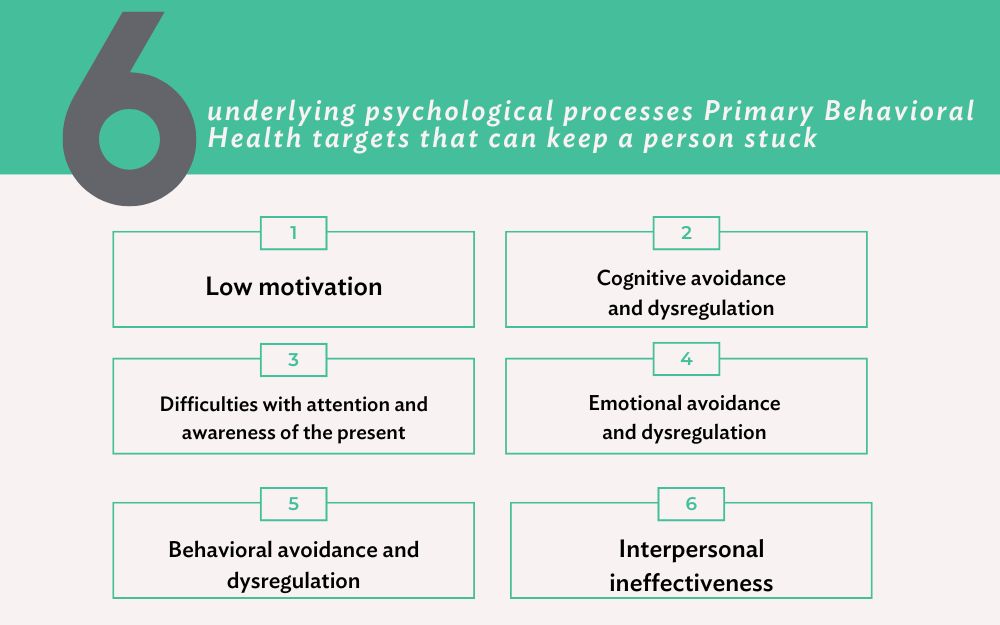
As a leader and innovator in mental health and addiction care for more than a century, Rogers Behavioral Health is using a cutting-edge, evidence-based treatment approach to help reach a broader range of people.

Rogers offers specialized IOP, intensive outpatient programs, and PHP, partial hospitalization programs. These programs are for people who need more treatment than traditional outpatient therapy. In IOP and PHP, a person spends a lot more time in a therapeutic setting. At Rogers, IOP is three hours a day, five days a week, while PHP is six and a half hours a day, five days a week.
Rogers experts discuss healthy ways to manage stress and how that improves our overall mental and physical well-being.
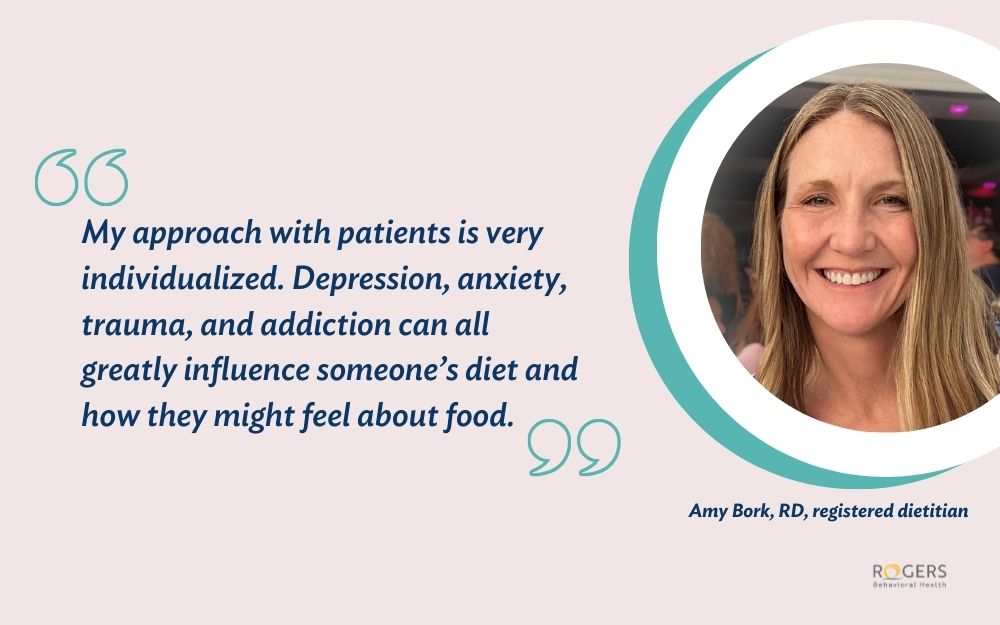
Rogers’ Amy Bork, RD, registered dietitian, discusses the impact nutrition can have on mental health.
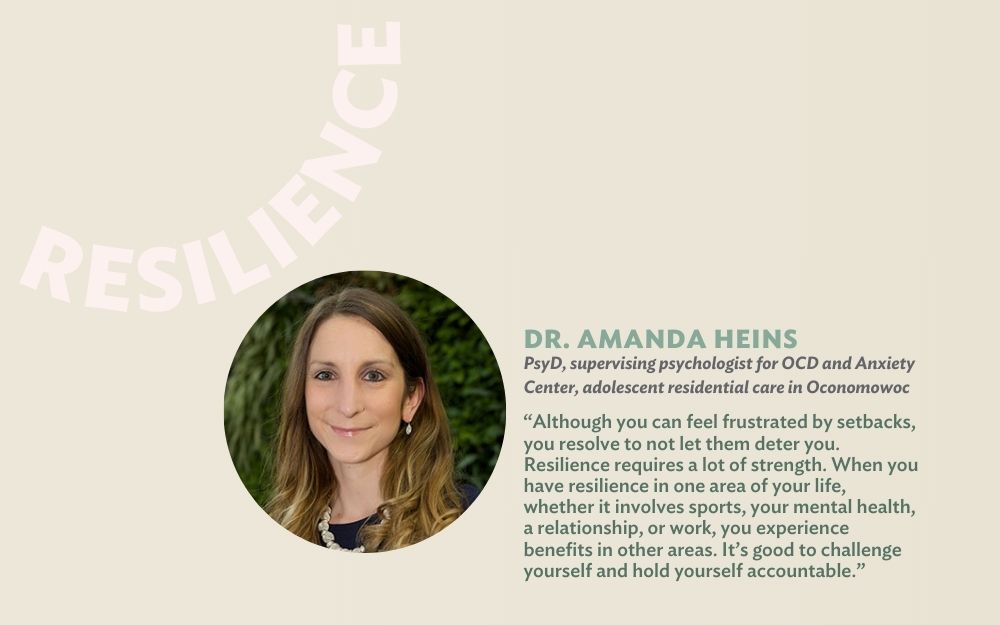
“When I think of resilience, I think of grit. It’s leaning into something that you’re working toward, persevering and pushing through challenges because of how much you value what could be in store. Although you can feel frustrated by setbacks, you resolve to not let them deter you.” Rogers’ Dr. Amanda Heins discusses resilience and why it’s important.
