
Menu Close

#Bethe1To connect

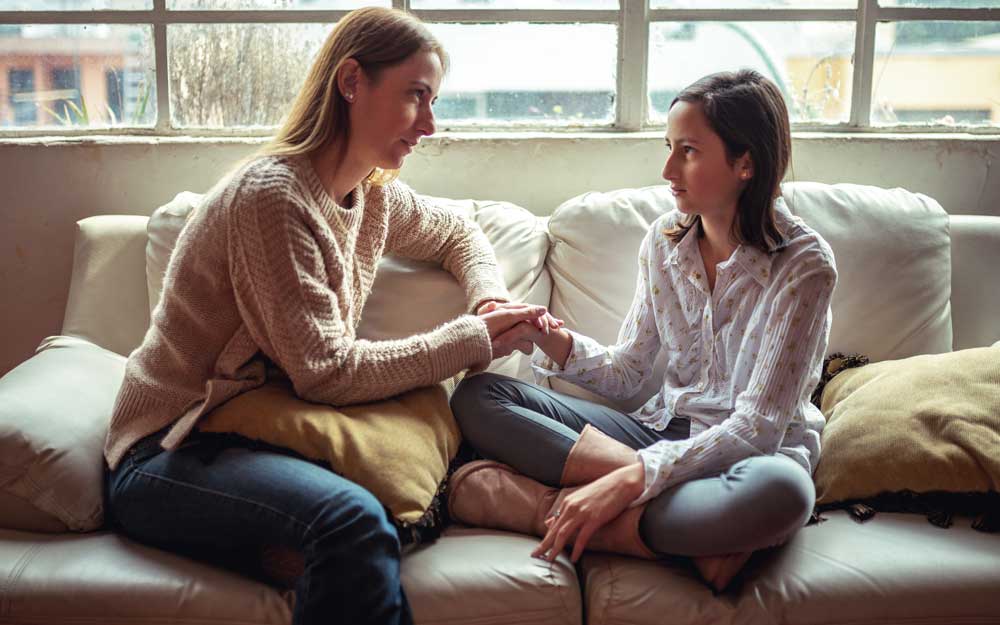
Anyone can help prevent suicide—you don’t have to be a mental health professional. There are countless examples of silent heroes who recognize emotional suffering in people, respond compassionately, and take action to offer hope.

Read More »

Your Mental Health Story: To Share or Not to Share

When a teen breaks a bone, friends and family often ask for “the story” of how the bone broke, how long it will take to heal and may even ask to sign the cast. But when a child is challenged with a mental health difficulty, it can be tricky for him or her to decide whether to share their journey, when to share it or how to share it. Wisconsin’s Initiative for Stigma Elimination (link is external) (WISE) created a program—“ Honest, Open, Proud-High School (link is external)” (HOP-HS)—to proactively empower teens to make thoughtful decisions about disclosing their story (link is external).

Read More »

Making Positive Change Last this New Year

Statistics show that this time of the year, 45 percent of us are going to make a New Year’s resolution, but of that percentage, only 26 percent will maintain our resolution past the first six months. It seems as though the odds are stacked against most of us when it comes to changing our ways and making major life changes, but Sue McKenzie, co-director of Rogers InHealth (link is external), insists that achieving lasting change is possible not only for New Year’s resolutions, but for achieving mental health as well.

Read More »

Changes in DSM-5 Benefit Children and Adolescents

The fifth edition of the Diagnostic and Statistical Manual of Mental Disorders, commonly referred to as DSM-5, helps clinicians diagnose mental disorders that aren’t as easily identified by symptoms like many other health conditions, e.g., a broken arm or case of pneumonia. Plus, the new manual offers greater insight into many of these disorders.

Read More »