Briden’s story: Rising above borderline personality disorder
Reflecting back on grade school, Briden recalls feeling like no one liked or understood her. She didn’t like herself, and she kept her struggle a secret.
Careers • Refer a Patient • Donate • Blog • Newsroom

Reflecting back on grade school, Briden recalls feeling like no one liked or understood her. She didn’t like herself, and she kept her struggle a secret.

Jordan says after traumatic experiences in her family, she noticed her thoughts were telling her to focus on what she could control, which was eating and exercise. She kept her struggle a secret for a long time.

Studies show the median age of onset for an eating disorder is 18-years-old for bulimia and anorexia, and 21-years-old for binge eating. Ten to 20% of women and 4 to 10% of men in college suffer from an eating disorder, and rates are on the rise.

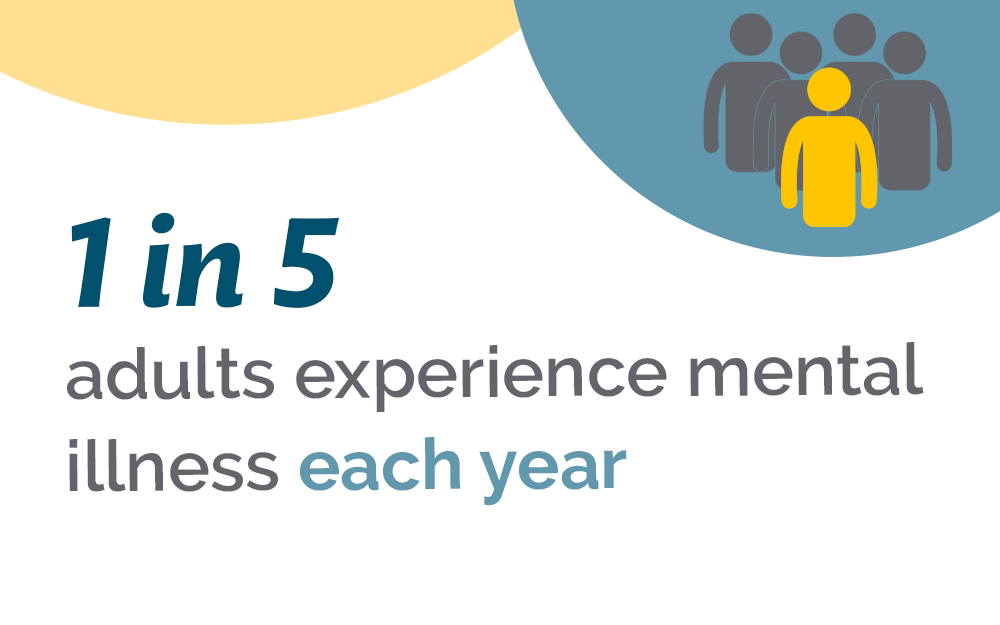
Every May since the mid-1900s, Mental Health Month has served as a time to help spread awareness and reduce stigma surrounding mental health and addiction. Mental Health America has chosen “Back to Basics” as this year’s theme. In this spirit, we’ve put together information to help you understand common mental health conditions, where to find resources, and how to find treatment.

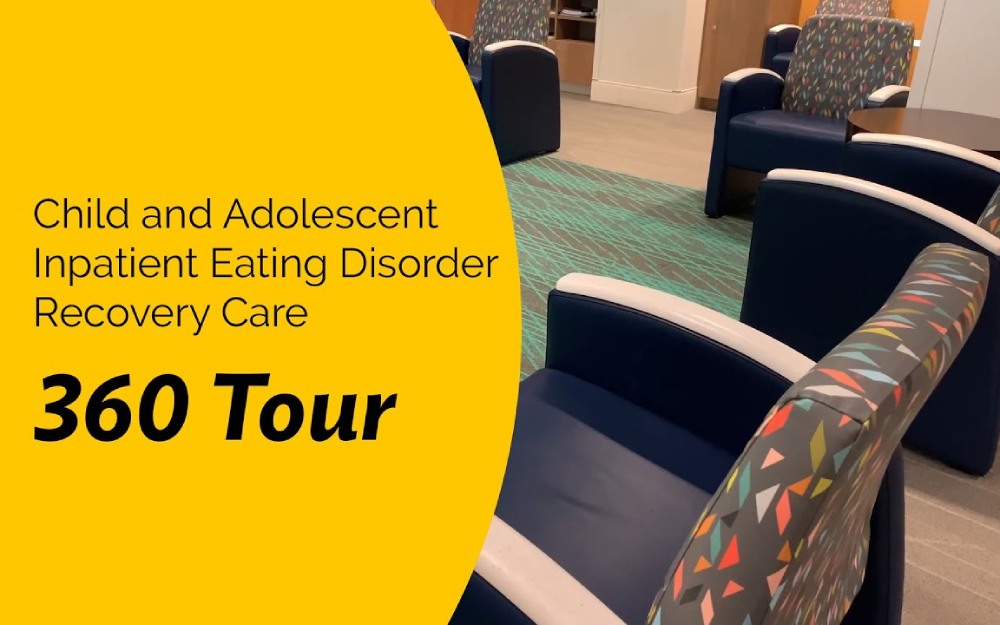
When families are considering inpatient or residential treatment programs for a child or teen, it’s important they in can get to know more about the space admitting. In the video above, you can get an inside look with a 360-degree video tour of the Rogers Child and Adolescent inpatient level of care in Oconomowoc.

Jane developed an eating disorder as a way to cope with her depression and anxiety. Through treatment at Rogers she was able to gain the tools needed to get her life back.

From a multidisciplinary team of experts to our ability to treat co-occurring mental health and addiction disorders, many qualities make eating disorder treatment unique at Rogers Behavioral Health.

Throughout COVID-19, there’s a heightened need for mental health and addiction care. In response, Rogers Behavioral Health began serving patients virtually across the country through Rogers Connect Care — a telehealth treatment option for people who would benefit from specialized partial hospitalization or intensive outpatient levels of care.

If a friend or loved one tells you they’ve been in treatment for mental health or addiction, you may be wondering about the best way to respond. Rogers’ Sue McKenzie Dicks, vice president of healthy culture at Rogers Behavioral Health, shares some common missteps and supportive things to say so your friend or loved one feels validated and understood.

Although anorexia and bulimia are probably the first two that come to mind, eating disorders include a wide range of unhealthy and/or restrictive eating habits.
Give us a call today for an immediate screening.
Not ready to call? Reach out to Rogers online.