
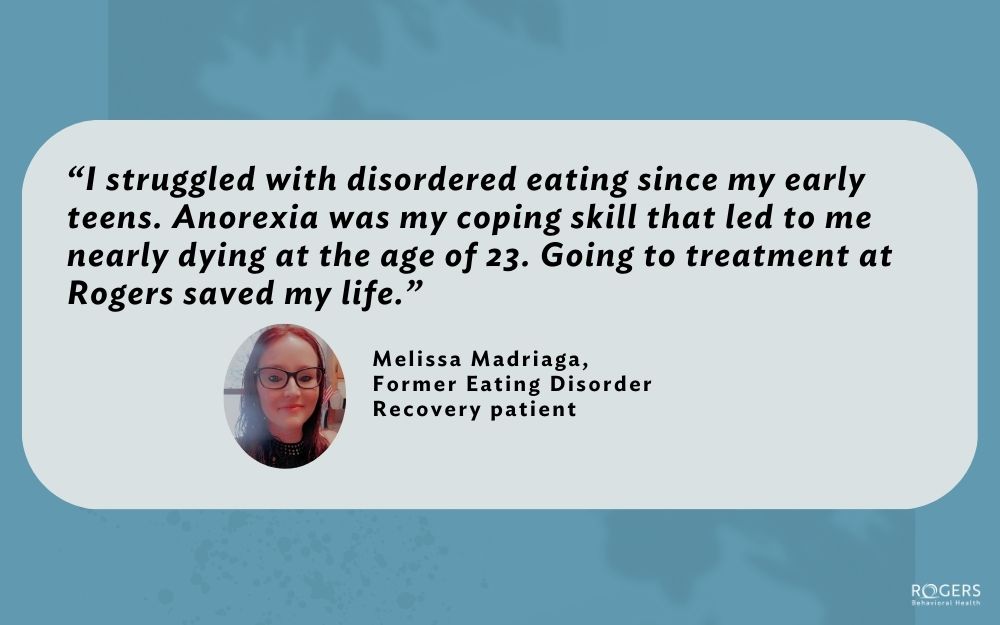
Former eating disorder patient helps others
“In treatment I learned so many valuable coping skills and ways to express and manage my feelings and emotions. While treatment was not easy, it was absolutely worth it.”
“In treatment I learned so many valuable coping skills and ways to express and manage my feelings and emotions. While treatment was not easy, it was absolutely worth it.”
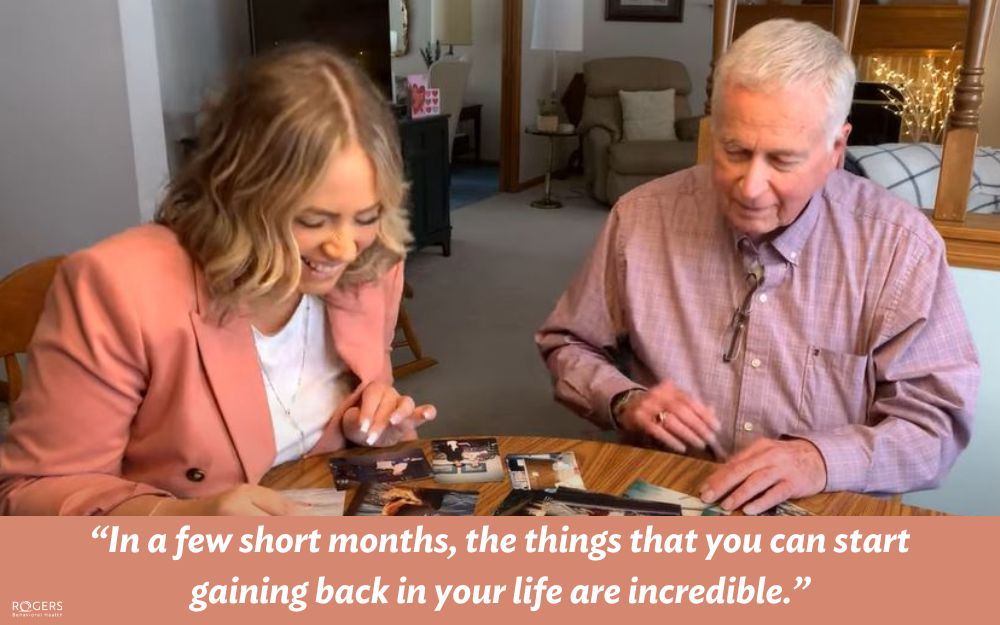
Christina grew up in a loving family with close friends. After the birth of her daughter, she was prescribed pain medication, which began an escalating struggle with substance use and addiction.

Primary Behavioral Health at Rogers is a first stop for people with mental health challenges, offering a personalized care plan to help adults and adolescents develop healthy coping skills.
We typically think of seasonal affective disorder (SAD) during the winter months. But there’s also a reverse seasonal affective disorder which can occur toward the end of summer.

Besides affecting how people do their jobs, workplace burnout impacts how people engage at home and perform in other things they do outside of work. Rogers’ experts share strategies for managing burnout.
High levels of workplace stress can lead to burnout, impacting not only the individual employee, but also colleagues, customers, and the company as a whole. Rogers’ experts share their insights.

While anxiety and other mental health challenges may be an obvious battle during the school year, parents and caregivers may think these same mental health challenges will ease with the slower pace of the summer months.

For some college students, the summer months can present unique challenges to their mental health, while for others, it can be the perfect time to address struggles they faced during the school year.
“Since being discharged, I have been fully committed to my treatment plan. I see my therapist weekly and a psychiatrist monthly, and it is because the Rogers’ team made it clear my mental health is an ongoing commitment.”
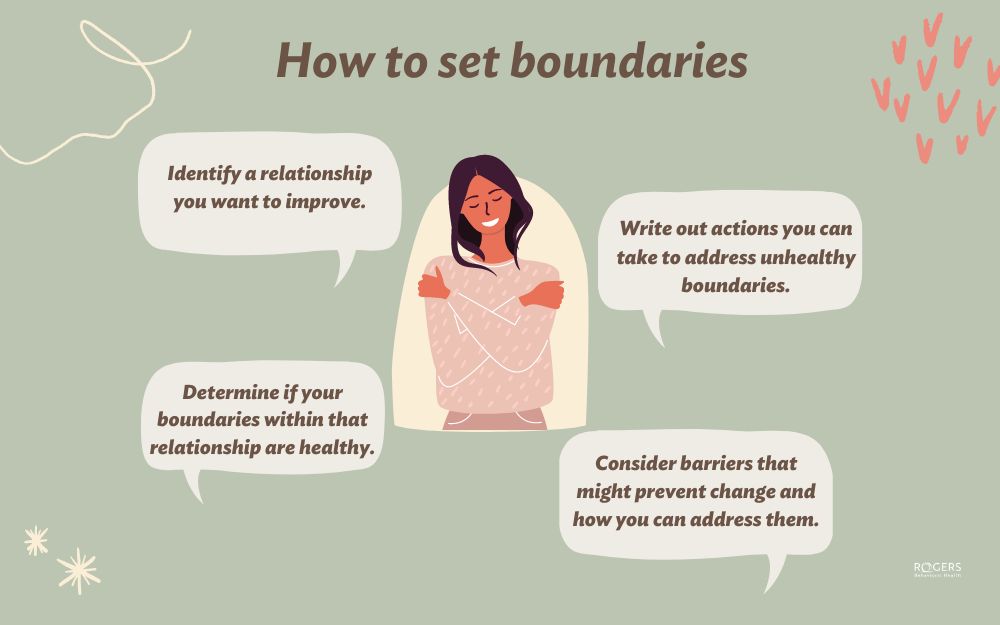
Boundaries are the invisible lines that separate us from everyone else. They can be physical, spiritual, emotional, intellectual, material, financial, or time-based.