Residential OCD and Anxiety Treatment for Children and Teens

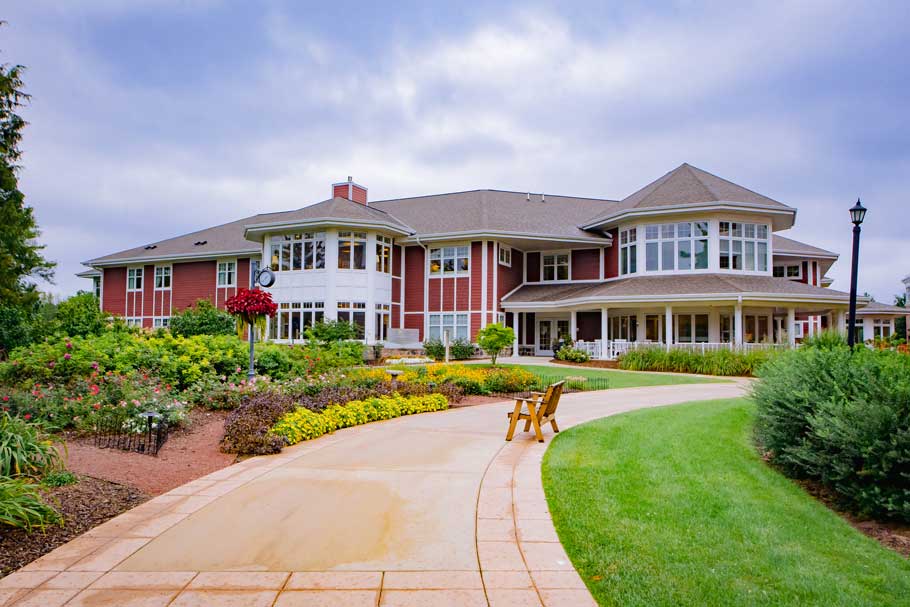
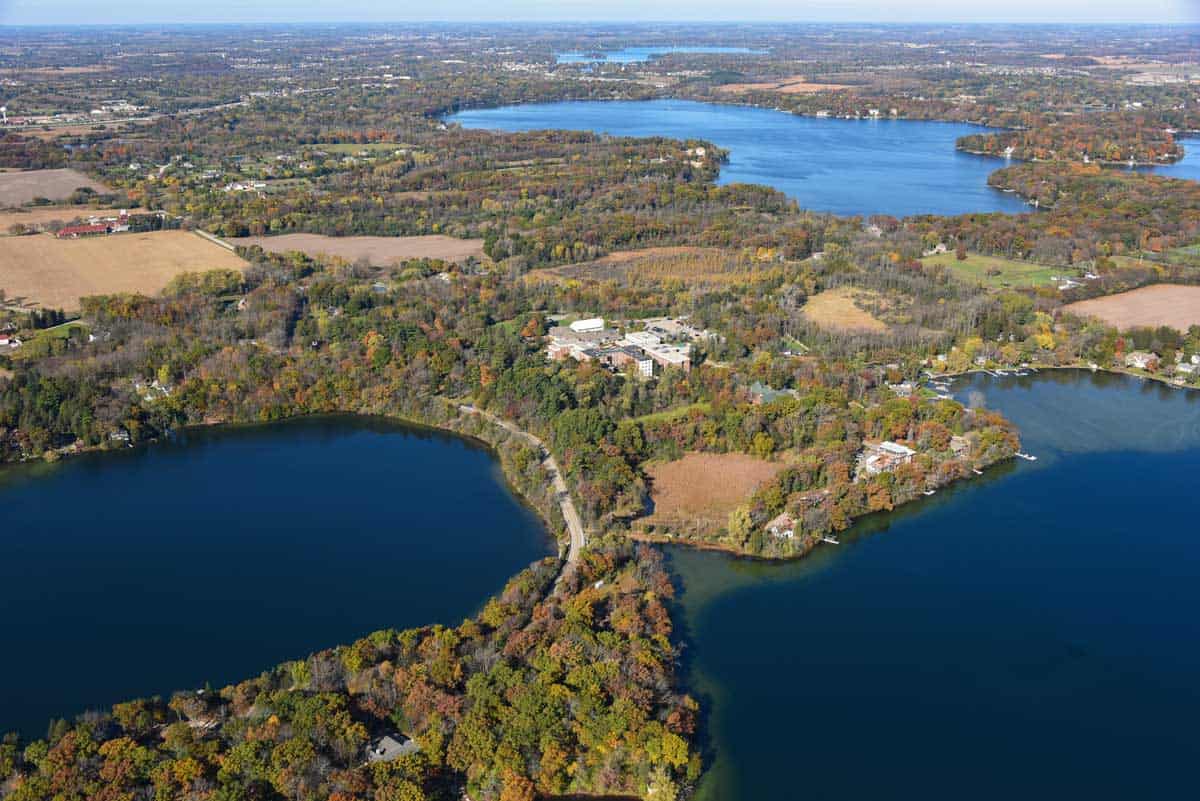
Our child and adolescent obsessive compulsive disorder (OCD) and Anxiety Residential Treatment Center is nestled on a peaceful and private 50 acres of scenic lakefront property in Oconomowoc, Wisconsin, providing a safe and comfortable space for kids, teens, and their families to navigate care.
Two OCD and Anxiety Treatment Programs with One Vision
For more than 20 years, our nationally recognized OCD and Anxiety Residential Treatment Center for Children and Teens has served as one of the few in the United States that offers two separate, specialized programs.
- OCD and Anxiety Program for Children ages 8 to 14
- OCD and Anxiety Program for Teens age 13 to 17
If your child is 13 or 14 years old, we will collaborate with you to determine which program best aligns with their emotional and behavioral needs, maturity level, and social skills. Children and teens also reside in separate spaces. This helps ensure your child gets care that fits them personally.
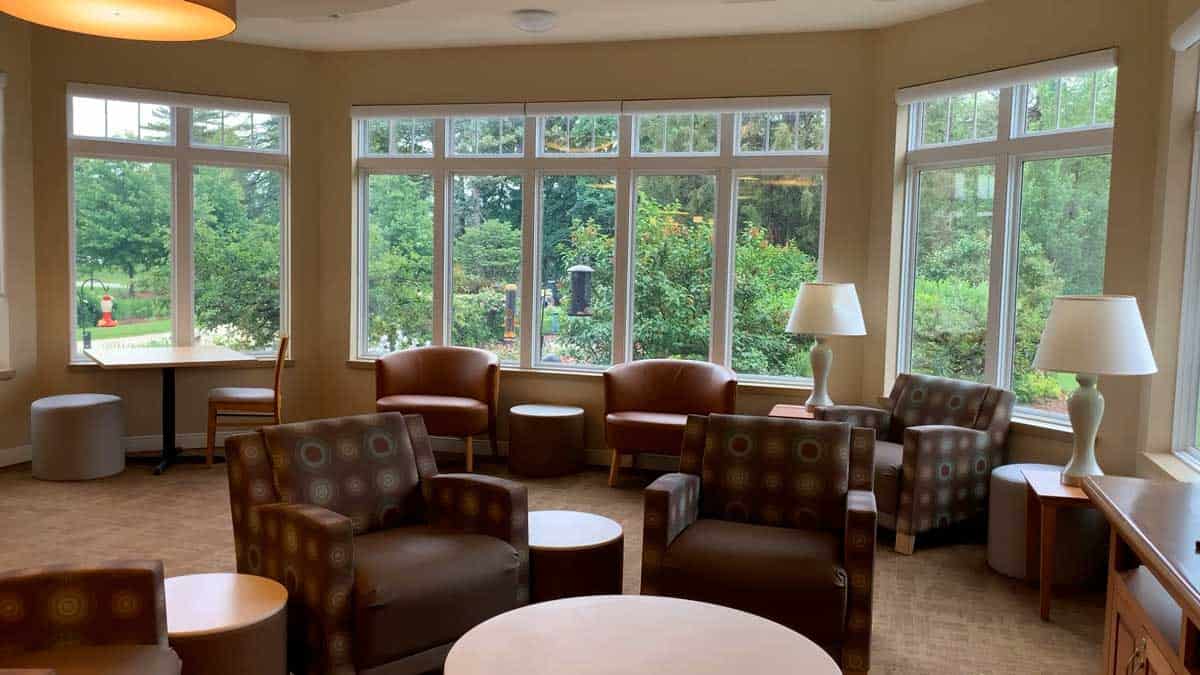
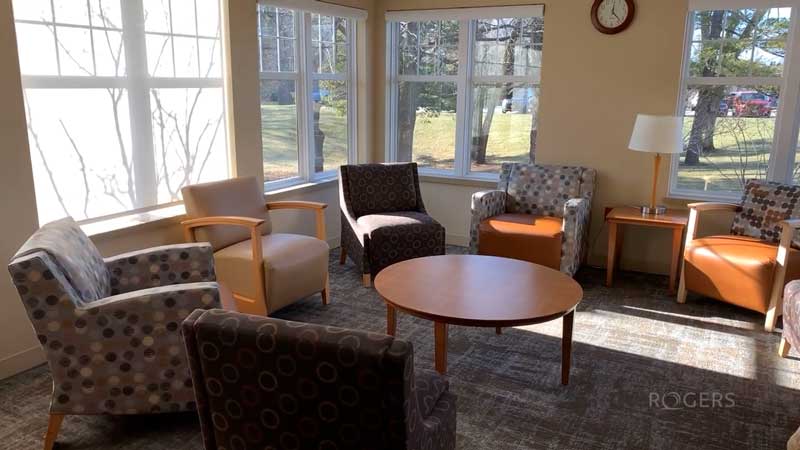
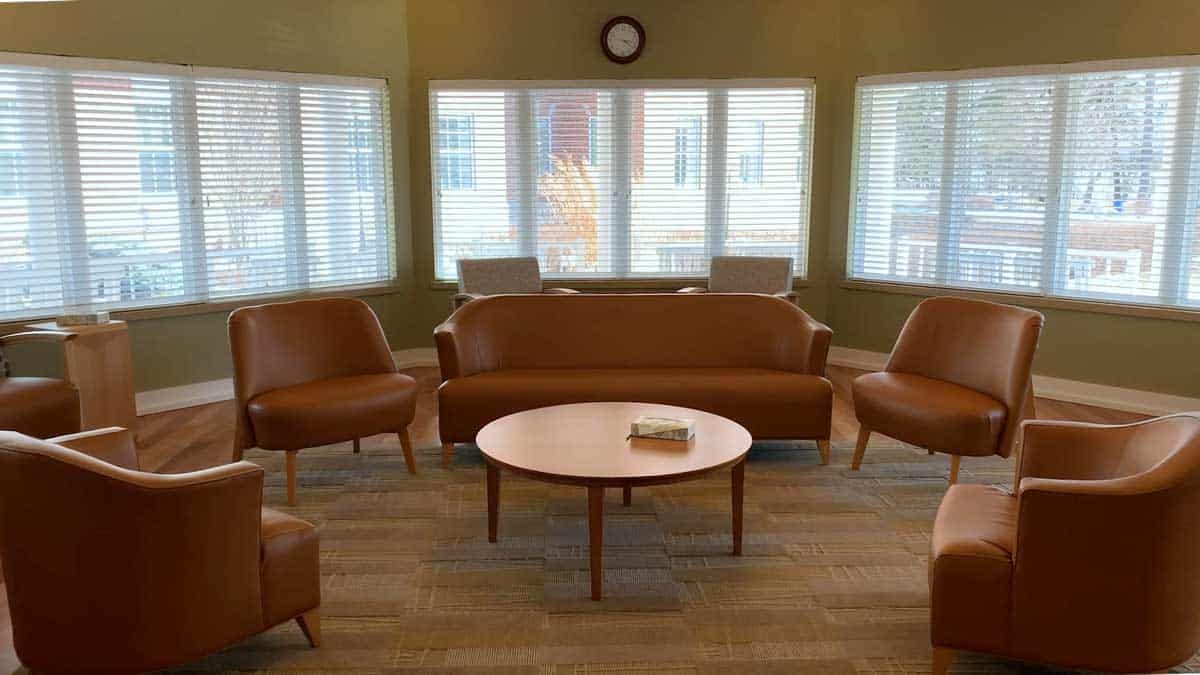
Click on the videos below to learn more about each program while enjoying a walkthrough of our program spaces.
What We Treat
- Primary OCD/Anxiety disorders
- Common co-occurring concerns:
- Other anxiety challenges (social anxiety, generalized anxiety, phobias, etc.)
- Panic
- Attention-deficit/hyperactivity disorder (ADHD)
- OC-spectrum concerns (skin-picking/hair-pulling)
- Tourette’s Syndrome
- Depression
- Disordered eating (related to anxiety/OCD)
- Higher functioning autism spectrum disorder (ASD)
- Selective Mutism
Led by nationally renowned licensed psychologists and board-certified child and adolescent psychiatrists, our compassionate multi-disciplinary team of experts provides your child with a customized treatment plan, personal connection, and growth experiences that meet their psychological, emotional, and physical needs.

Leaders in OCD and Anxiety Treatment
The leadership team at the OCD and Anxiety Residential Center for children and teens has decades of combined clinical expertise treating kids with primary OCD and Anxiety and co-occurring disorders and challenges.

- Medical Director, Child and Adolescent Residential Care, Oconomowoc

- Principal Research Psychologist

- Psychologist

- Psychologist

- Chief Medical Director, Oconomowoc Campus

- Psychiatrist
Treatment Approach
Our central therapeutic approach combines cognitive behavioral therapy (CBT) with a strong emphasis on exposure and response prevention (ERP). Using ERP, our care teams create customized step-by-step plans called hierarchies to help each child face their fears and anxious thoughts in a safe way. We call these exposures. Extensive research, including outcome studies by Rogers, consistently demonstrates the effectiveness of this approach.
For co-occurring needs, our care team will work together with you and your child to support and treat these symptoms.
How is Residential Care for Children and Teens different from IOP/PHP Levels of Care?
Because your child temporarily resides on our campus, we can observe symptoms in real-time, allowing us to quickly create and/or adjust treatment work as needed.
24-hour care allows your child’s psychiatrist to safely and quickly adjust any medications that your child needs until they reach the dose that works best.
The length of time your child stays with us is highly individualized and depends on your child’s readiness for change, the severity of their symptoms, and how engaged they are in their treatment. That said, the average length of stay can be anywhere from 2 to 3 months.
Our OCD and Anxiety residential treatment offers age-appropriate therapies to help your child build skills, manage symptoms, and make progress. Alongside individual, group, and family sessions, Experiential Therapy (ET) is important for enhancing confidence and activity levels. ET can include art, music, horticultural therapy, canine assisted interventions, indoor exercise and challenges. With over 50 acres of private land and lake access, your child can apply what they learn through engaging, real-world experiences.
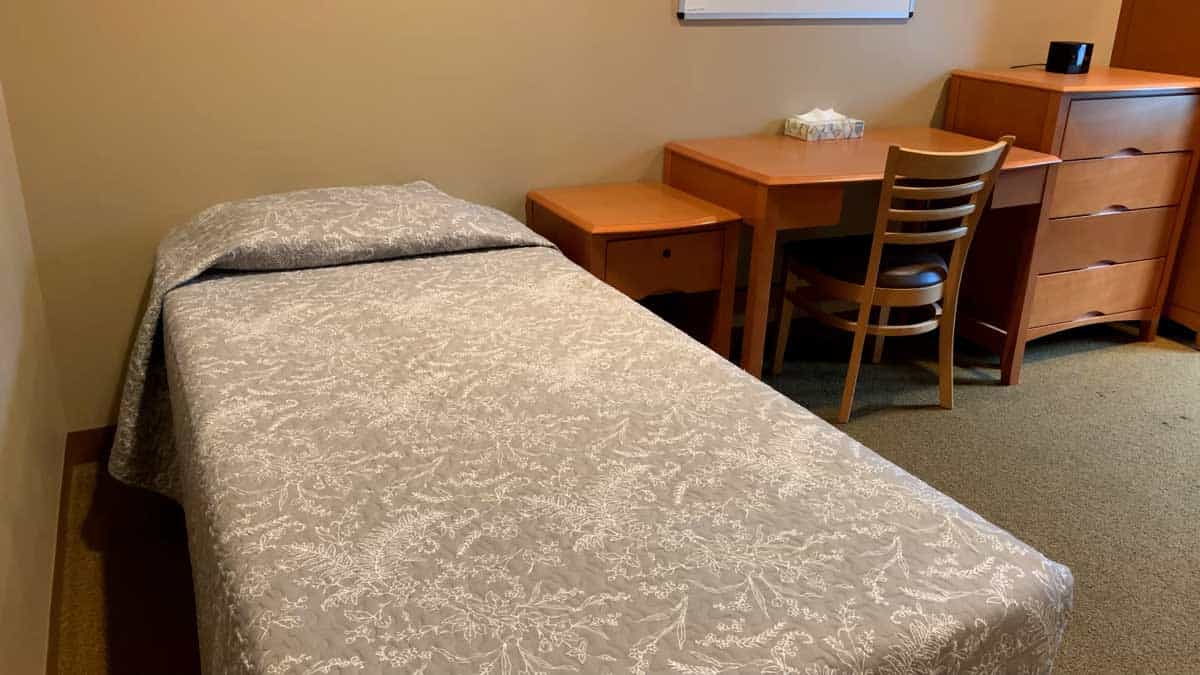
When your child lives alongside kids their age (including sharing a room), they naturally pick up important life skills. Being part of this community gives them chances to learn how to make friends, solve problems, and handle conflicts. Our supportive environment helps your child build confidence and become more capable over time.
Coaching is available to your child throughout the day to help guide and encourage your child—teaching them new skills and helping them grow. At the same time, your child will have opportunities to develop independence and self-reliance by practicing new skills in a supportive environment.
We’re here to empower parents by providing dedicated psychoeducation and coaching tailored for families. This support helps you build confidence and equips you with practical tools to reinforce your child’s treatment goals at home, ensuring lasting positive change for your whole family.
As symptoms increase, it’s not uncommon for schoolwork to suffer. Our licensed educators will partner with you and your child's home-district school (with your permission) to incorporate schoolwork at a pace that aligns with their treatment as well as provide recommendations to support their return to school after they leave our care.
FAQs
This may vary by each child’s unique needs, the length of their stay, and their treatment program. However, a typical treatment day may include:
- Morning readiness: involves tasks commonly completed at the start of a child’s day.
- School time: licensed teachers work directly with each child’s hometown school to make sure they’re staying on track academically.
- Experiential therapy: enhances confidence and reinforces learnings through art, music, horticultural therapy, canine assisted interventions, and indoor exercise and challenges.
- Teen process group: this small, therapist-led group provides a safe space for teens to connect, share feelings, and learn from each other, exploring emotions, building self-awareness, and discovering that others understand what they’re going through.
- Child group sessions: therapist led groups focused on building coping skills, communication skills, identifying emotions, what is in and out of one’s control, and how to support peers while caring for oneself
- Treatment time (CBT/ERP/Supplemental Treatment work): Individual/family therapy sessions with therapist/psychiatrist/behavior specialist throughout the week
- Evening assignment time
- Structured leisure/fitness/phone time/personal hygiene time
Signs and symptoms to look for:
- Major changes in behavior such as no longer participating in activities that were previously enjoyable
- Not socializing with peers that they used to spend time with
- Increased hopelessness or suicidal ideation
- Late/missing school regularly or a couple times a week
- Falling significantly behind in homework
- Extra rituals or routines at home that lead into late night hours or result in missing important components of their day (ex. Attending school, eating 3 balanced meals, getting adequate sleep, etc.)
- Reoccurring physical complaints like stomachaches or headaches
- Severity of symptoms exceeds what lower levels of care can support, despite best efforts

Partner with Our Team and Start Eating Disorder Treatment Today
Call 833.308.5887 or reach out to us online. Our eating disorder treatment can offer you a supportive and healing environment to help you begin to move forward in life.