
What is OCD
OCD symptoms, types, causes and treatment
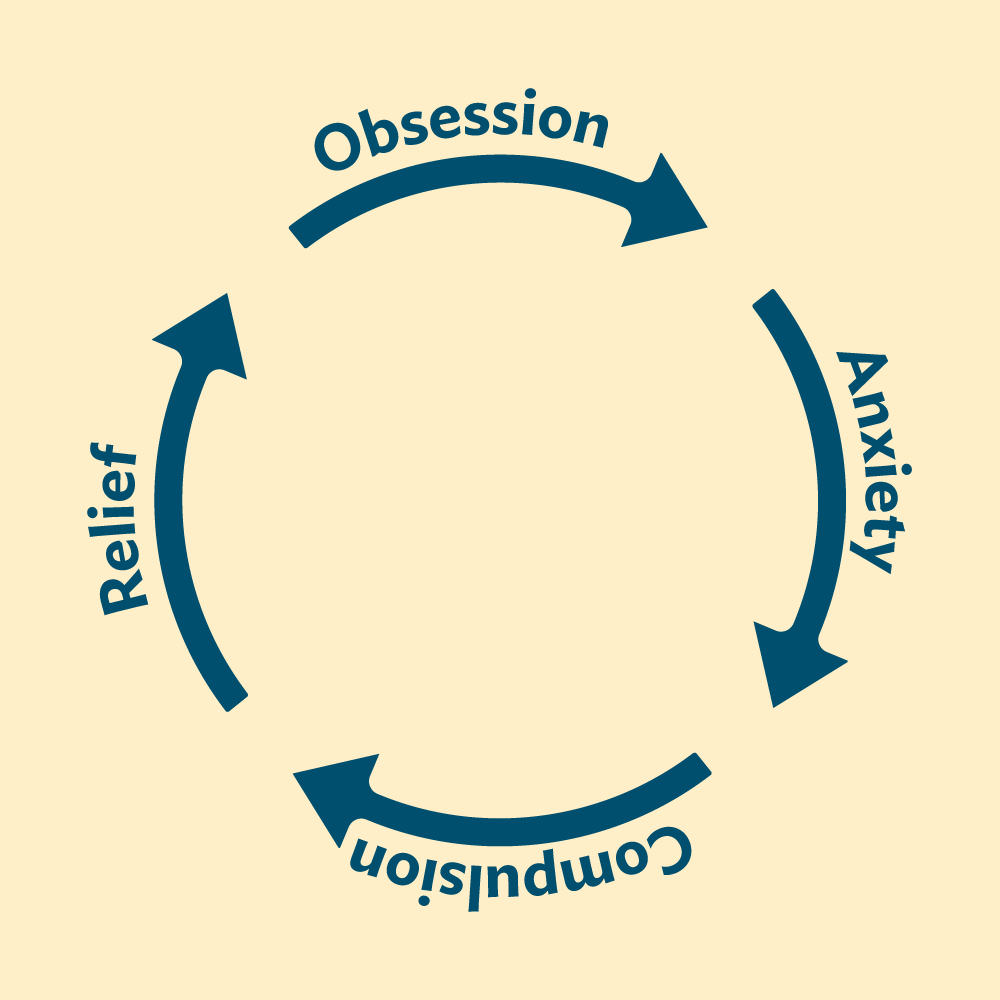
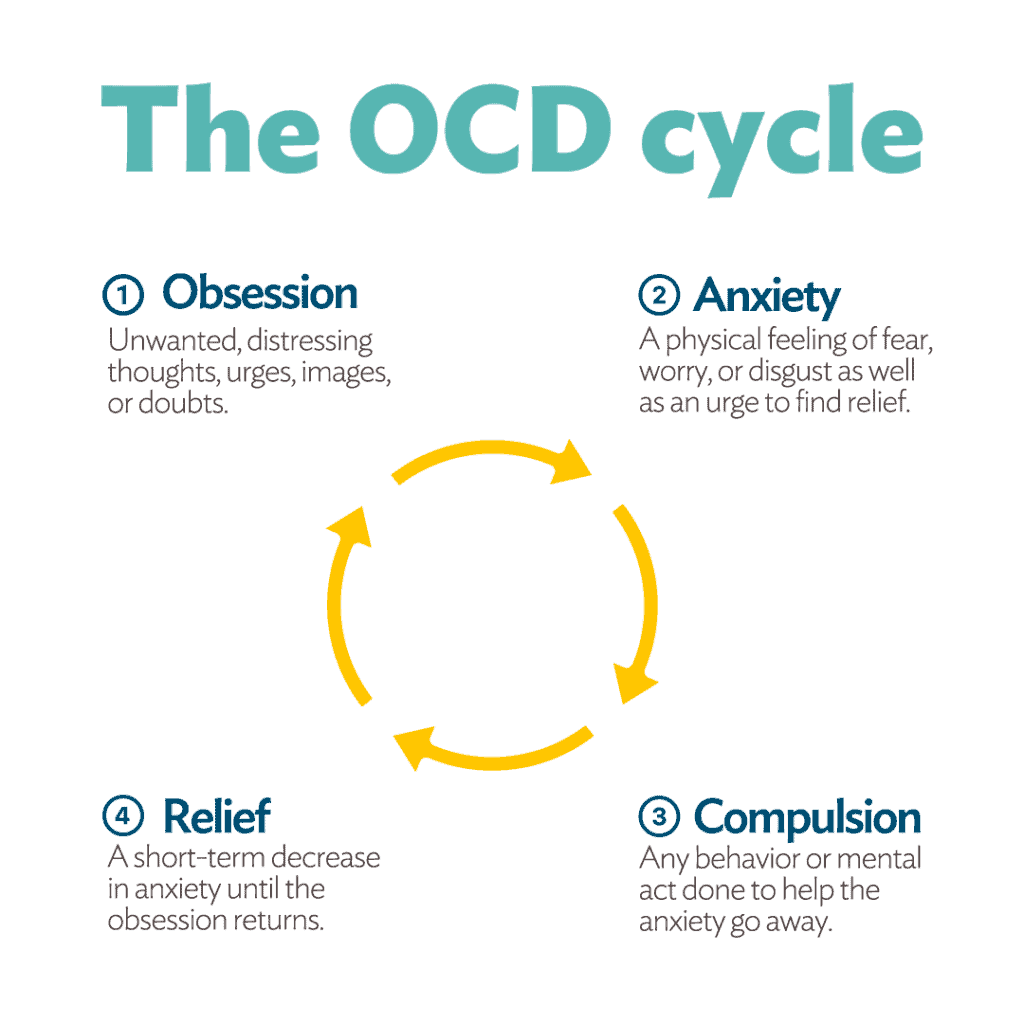
Obsessive-compulsive disorder (OCD) affects men, women, and children, and can start at any age. Someone experiencing symptoms of OCD has unwanted and intrusive thoughts, known as obsessions. These obsessions lead to intense anxiety or distress. To try to feel better, people with OCD perform physical or mental acts called compulsions. Examples of compulsions include washing your hands, checking locks, praying, and seeking reassurance.
Stories of Hope
Obsessions, compulsions, and the OCD cycle
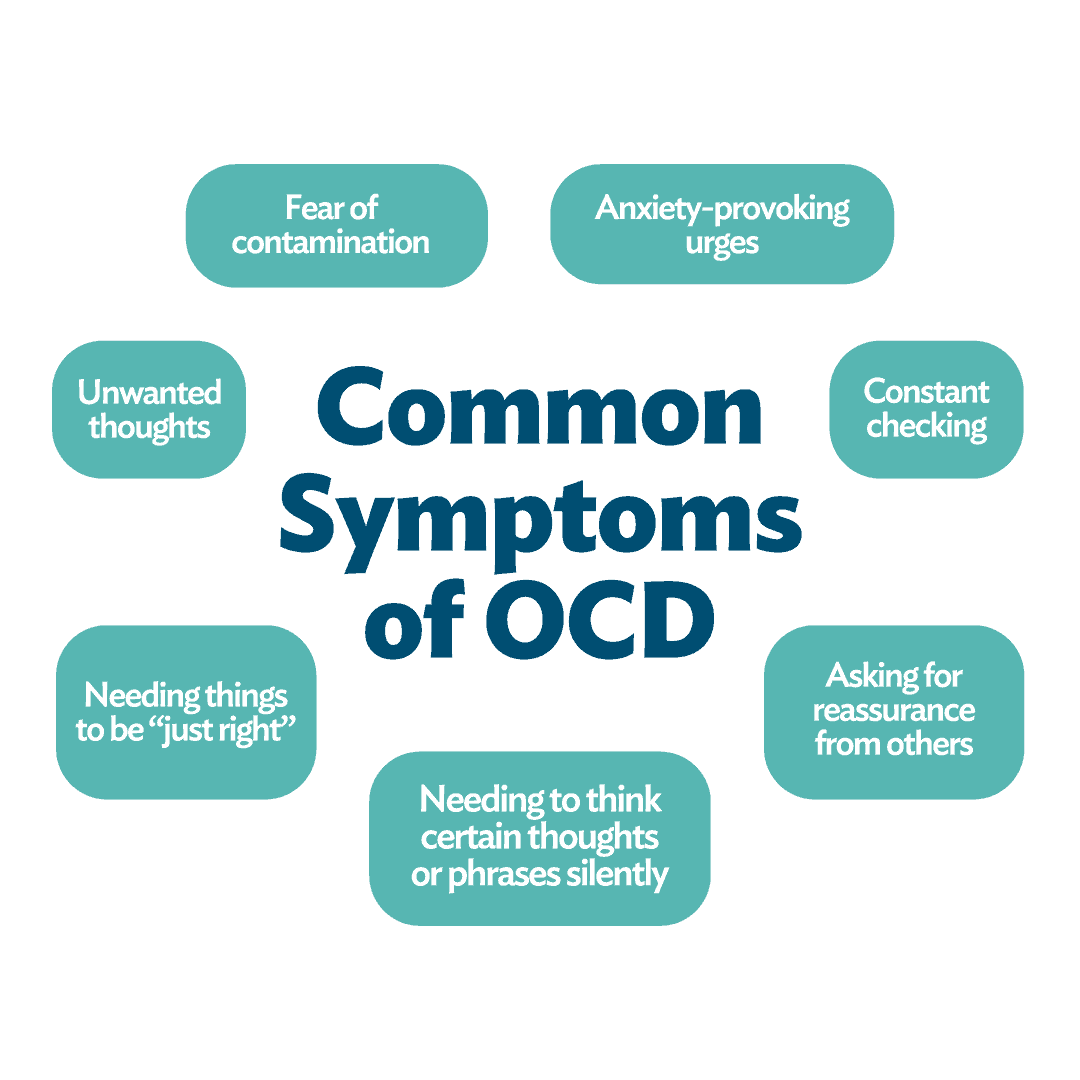
Common symptoms of OCD
Symptoms of OCD can vary by person. Common symptoms include:
- Unwanted, anxiety-producing thoughts, images, or urges.
- The urge to perform acts such as washing hands, checking, or re-checking something.
- Feeling the need to think certain thoughts or phrases silently.
- Seeking reassurance from family, friends, or co-workers about your worries.
Types of OCD
People with OCD experience different obsessions and compulsions. So while a fear of germs or contamination is common, OCD can involve a wide range of obsessions and compulsions.
Obsessive thoughts can focus on:
- Fears of harm (to oneself or others)
- Making mistakes
- Fears about morality
- The need for symmetry
The compulsions that follow these obsessions can vary quite a bit. For instance, someone might repeatedly check if they’ve left an appliance on. Another person with OCD may ask for reassurance from others about something that happened in the past.
OCD is not limited to a particular set of behaviors or thoughts. Each person’s obsessions are as unique as they are. Rituals can also take many forms, such as handwashing, counting, blinking, or checking.
What causes OCD?
The exact cause of OCD is not known. However, research suggests that differences in the brain and genes of those affected may play a role.
How OCD is treated
When you live with OCD, cognitive behavioral therapy (CBT) with exposure and response prevention (ERP) could help you find relief from intrusive thoughts and repetitive behaviors. Rogers’ leading OCD treatment uses CBT and ERP, helping people learn to navigate the world around them. With exposure therapy, you’ll practice skills with real-life activities during your treatment and while out in the community. We focus on managing your symptoms and enhancing your quality of life. Rogers treats OCD affecting kids, teens, and adults.
As part of our program, we treat OCD and related disorders, including:
- OC-spectrum disorders
- Anxiety disorders
- Panic disorder
- Agoraphobia and other phobias
- Selective mutism
- Body dysmorphic disorder
- Tic disorders, hair pulling disorder, skin-picking disorder, Tourette syndrome
- Co-occurring conditions and complex cases such as ADHD, depression and other mood disorders, disordered eating, and somatization disorders
When to seek help for OCD
Asking for help can be difficult. It may even feel scary and overwhelming. We understand how hard that first step is. If you or your loved one’s OCD symptoms are impacting daily life, it may be time to ask for help. At Rogers, we will meet you with compassion, clarity, and care. We’re here when you’re ready. To get started, call 833-308-5887 for a free, confidential screening.
OCD Myths
| Myth | Fact |
|---|---|
| People with OCD just like to be organized. | Obsessions and compulsions are time-consuming and can interfere with daily life. OCD is so much more than just liking things organized or clean. |
| Everyone with OCD has perfectionism. | It’s true that perfectionism can be part of someone’s OCD. However, OCD behaviors are about reducing anxiety, not about achieving perfection. |
| If you have enough willpower, you can get over OCD symptoms. | With time and professional support, people with OCD can learn to manage their symptoms. |
| OCD is only about cleanliness or germs. | OCD is not limited to one set of behaviors or thoughts. Obsessions and rituals can be very unique to the person experiencing them. |
| OCD is uncommon and doesn’t affect many people. | Millions of people have OCD. Many people are living with OCD without realizing it. |
| People with OCD can control their intrusive thoughts. | Nobody can fully control their thoughts. That’s why treatment for OCD involves learning to respond to intrusive thoughts in a way that helps them become quieter and less frequent over time. |
Rogers is Here to Help
Wellness Starts Here
Discover the strength within you to transcend challenges and begin a transformative journey toward well-being. Reach out to Rogers today and take that courageous first step toward a brighter, healthier future.