
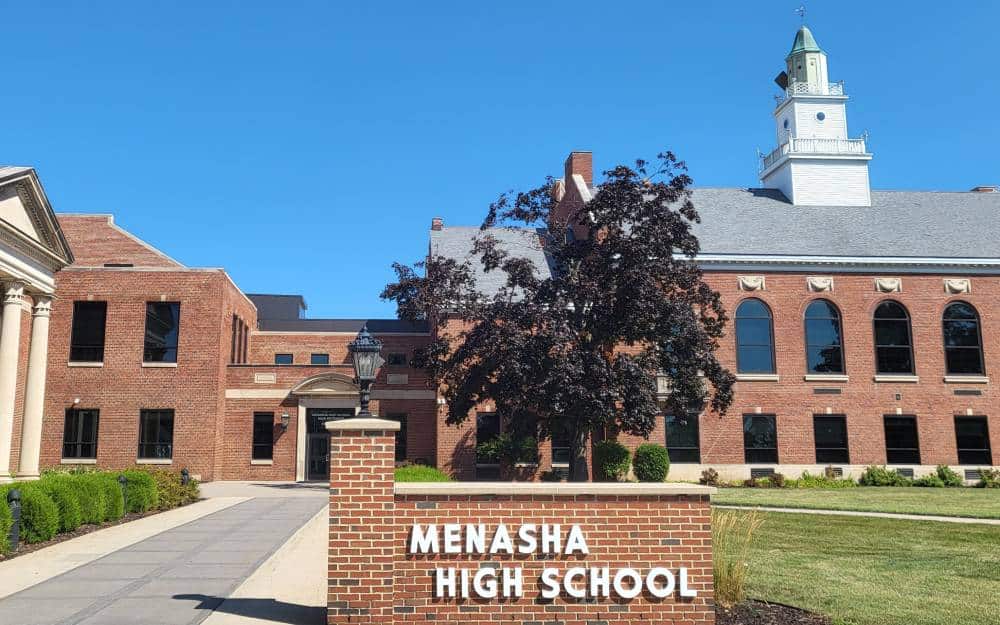
Following devastating Menasha tornado, Rogers team members offer support to school district
A tornado is not over once the storm clouds clear; it sticks around in damaged buildings, leveled streets, and the minds of those who survived it.
“With anything big like this, nobody knows how to respond,” says Gail Goodacre, Rogers’ therapist. “Everybody is in a state of shock, trying to take care of themselves and others.”
That’s why after a tornado devastated Menasha, Wisconsin, Rogers Behavioral Health team members wanted to help however they could.
“It’s really sad to see all the intense visual reminders of the tornado around Menasha – I can only imagine what it is like for all the people who have been affected to have to see that every day and then also be expected to just carry on with their lives,” Gail says. “It’s so important to be able to help people stand on their own two feet so they can feel more capable and available to support others, especially kids and students.”
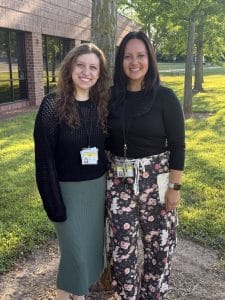
After the tornado, Jody Richter, account executive with Rogers’ Community Relations Team, reached out to her contact with the Menasha Joint School District, to check in.
“She said things have been really rough,” Jody says. “They were trying to think about how to best support students and parents, as well as staff members when school was right around the corner.”
So, Jody recruited Gail and Courtney Klapa who gave a one-day staff training ahead of the start of school, giving presentations for the high school, middle school, elementary school, and virtual school.
“I want Rogers to be in the forefront of people’s minds in our community that we are there for them if it’s needed,” Jody says. “I’m very happy to be able to share our insights and expertise. For example, not everyone might realize how trauma might impact students and what might trigger them after something like this. It can be things we wouldn’t typically associate with a storm, such a bell sound.”
In the presentations, Gail and Courtney spoke to school staff members about what they might expect, such as how students might behave, and how they can honor difficult feelings.
“It’s a learning moment for everybody,” Gail says. “And it’s so easy to get overwhelmed. I wanted to highlight that it is OK to not know what to do and to be patient with yourself for not knowing exactly how to respond.”
After traumatic events, Gail says it’s not about ignoring what’s around you – may it be obvious signs of physical destruction or the less visible impacts we carry inside us.
“When someone is experiencing a significant loss, sometimes it’s really hard for others to bring it up with those impacted because they’re worried they will upset them,” she says.” But we really need to experience those emotions and hold space for them.”
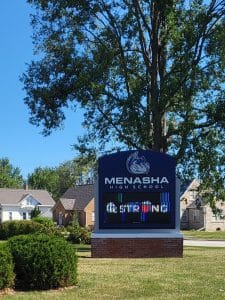
Holding space for emotions does not make the trauma go away, but it helps a community carry on.
“When it comes to events like this, those of us who are not directly impacted often keep them in the forefront of our minds immediately afterwards, and then it might dissipate, but not for that community,” Jody says. “The Menasha community could experience the impact of this for years, and it’s important to recognize that so we can continue lending support.”
Jody says she plans to reconnect with the Menasha Joint School District to find ways to provide ongoing support – something that can make a big difference whenever disasters leave trauma in their wake.
